A home bar is a private setup for drink preparation at home, while a professional bar is a functional workplace designed for high volume, ergonomics, and durability. The difference between a home bar and a professional bar is not just in price, but primarily in material use, workflow, and the experience your guests receive. Anyone taking their home bar seriously will quickly encounter the limitations of cheap sets and limited space. This article explains the core differences and provides concrete tools to improve your own drinking experience, whether you are setting up a bar at home or considering a professional setup for an event.
What is the difference between a home bar and a professional bar in terms of materials?
The biggest visible difference lies in the quality of the equipment. Professional cocktail sets cost between €150 and €300, while home sets start from €30 to €50. This price gap reflects a fundamental difference in durability and precision.
Professional bars use robust stainless steel that can withstand intensive use. Home bars often use thinner metal or plastic, which shows wear faster and measures less accurately. A professional jigger measures to the milliliter, which makes all the difference for consistent cocktail preparation.
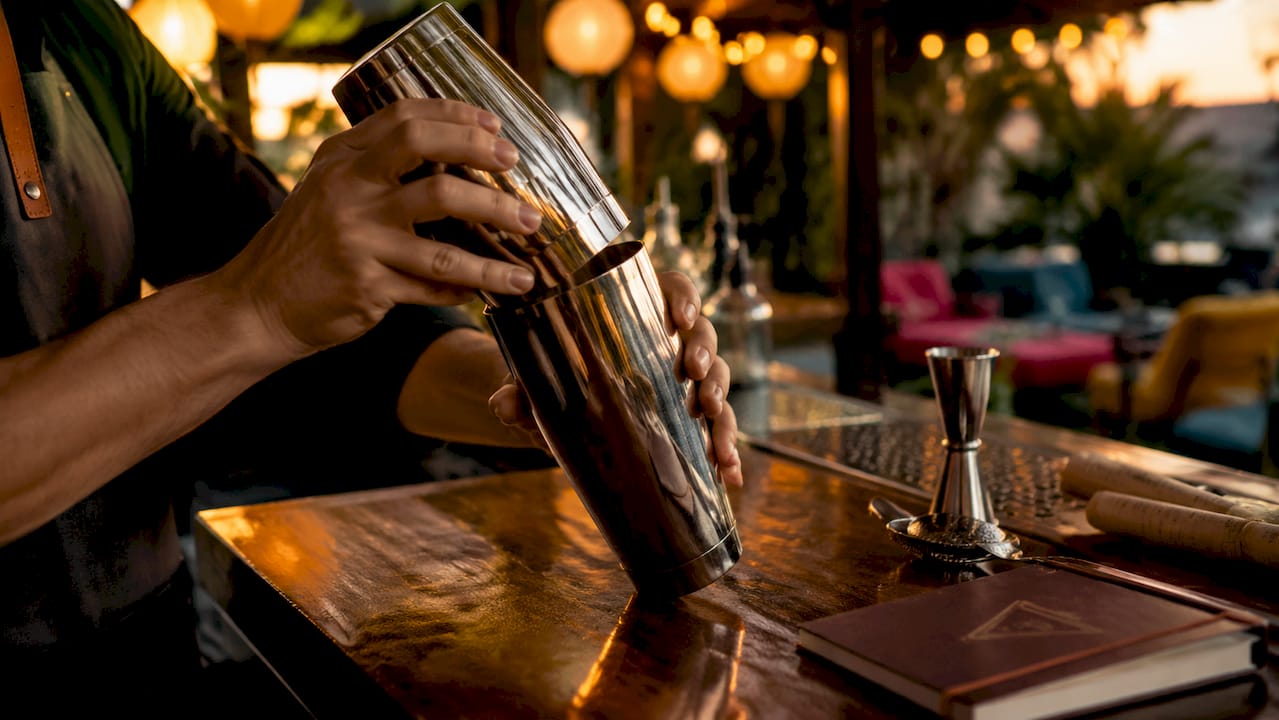
A concrete example: the Boston shaker, the workhorse of every professional bartender, requires a specific technique to seal properly. Professional Boston shakers have a better seal than home models. Beginners with a cheap home model often encounter leaks, which not only creates a mess but also reduces cocktail quality.
Pro-tip: As your first upgrade, invest in a decent stainless steel shaker. This is the piece of equipment you will use most often, and where cheap quality is most quickly noticeable.
Equipment comparison: home versus professional
| Component | Home bar | Professional bar |
|---|---|---|
| Shaker | Plastic or thin metal, risk of leakage | Stainless steel Boston shaker, tight seal |
| Jigger | Limited measurement accuracy | Millimeter-accurate, multiple measurements |
| Cooling | Small ice maker or refrigerator | Separate cooling unit out of guests' sight |
| Set price | €30–€50 | €150–€300 |
| Lifespan | Limited with regular use | Years with daily intensive use |
Professional bars deliberately place heavy equipment like cooling units out of guests' sight. This limits noise and space usage behind the bar and increases comfort for both the bartender and the guest. At home, the refrigerator is usually simply next to the bar, which is functional but looks less professional.
How does the ergonomics differ between a home and professional bar?
Ergonomics is the biggest invisible difference between the two bar styles. A professional bar is designed so that 80% of all tasks can be performed within 1.5 steps. This sounds technical, but it simply means that a bartender hardly needs to move to make a cocktail. This efficiency is crucial if you are serving dozens of drinks per hour.
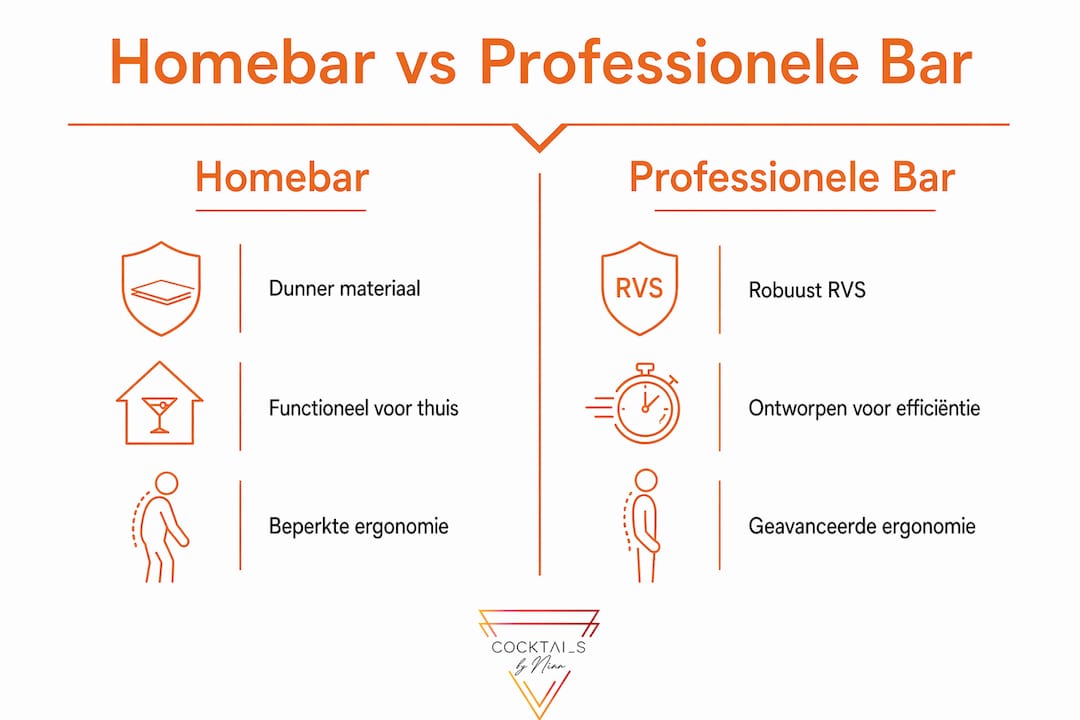
A home bar is generally designed more aesthetically than functionally. The bottle arrangement looks nice, but the shaker is two meters away, and the ice is in the kitchen. That works fine for one or two drinks, but for a party of ten people, it quickly becomes a logistical challenge.
If you want to arrange your home bar more ergonomically, these steps will help:
- Group everything you need by task. Shaker, jigger, and measuring cup belong next to each other, not spread across the bar.
- Place your most used bottles at eye level. Bending or reaching for each bottle costs time and energy.
- Keep a small cooler or ice bucket directly at hand. Getting ice from the kitchen interrupts your flow.
- Reserve a fixed spot for clean glassware. Searching for glasses while your guests wait looks unprofessional.
- Ensure a small waste container behind the bar. Lemon peels and straws don't belong on the counter.
Pro-tip: First draw your bar layout on paper. Mark where you stand and measure how many steps you take for a standard cocktail. More than two steps means you need to move something.
The ergonomic efficiency of a professional bar not only increases speed but also quality. A bartender who doesn't have to search makes better drinks. This principle applies equally well at home.
What impact does bar design have on guests' drinking experience?
The atmosphere a bar creates determines how long guests stay and how they experience the evening. Lighting plays a bigger role in this than most home bar owners realize. A light color of 2,700 Kelvin provides a warm, inviting light that perfectly mimics the pub atmosphere. Cold white fluorescent light does the opposite: it feels more like an office than a bar.
Professional bars consciously invest in lighting design. Spotlights above the bottles, dimmable ambient lighting, and illuminated bar cabinets are not a luxury but a deliberate choice to guide the experience. At home, you can easily replicate this with a dimmer and warm LED light.
Seating comfort is the second major element. Bar stools with a seat height of 75–80 cm and a backrest encourage longer stays. Guests who are comfortable order more and enjoy themselves more. A stool without a backrest becomes tiring after half an hour, which directly affects the atmosphere.
The most important atmosphere-determining elements for a home bar at a glance:
- Lighting: warm light of 2,700 Kelvin, preferably dimmable
- Seating comfort: bar stools 75–80 cm high with backrest
- Glassware: appropriate glassware per drink type immediately enhances the experience
- Sound environment: soft background music at the right volume
- Cleanliness: an organized bar exudes professionalism, even at home
A good drinking experience at home goes beyond just the drink itself. The overall picture of light, seating, and presentation determines whether guests feel like they are in a real bar or just someone's living room.
Practical tips for your own home bar or renting a professional bar
Setting up a home bar starts with the right basic necessities. You don't need a complete professional set to make good cocktails, but a few smart choices make a big difference. Read more about achieving bar-quality drinks at home for a practical approach.
The absolute basics for a home bar:
- A decent stainless steel shaker (Boston or cobbler, preferably stainless steel)
- An accurate jigger with multiple measuring marks
- A bar spoon for stirring and layering
- A citrus press and a fine strainer
- Appropriate glassware: at least a highball, a rocks glass, and a cocktail glass
- A small ice bucket or cooler directly at the bar
For events with more than twenty guests, professional bar rental is the smartest choice. A professional bar service not only provides the equipment but also the staff and the setup and breakdown service. This completely relieves you as the host and guarantees consistent quality that you can hardly match at home.
When do you choose to rent instead of setting up yourself? The rule of thumb is simple: for large groups, formal occasions, or when you want to enjoy the party yourself instead of standing behind the bar. A professional bartender makes three times as many drinks in the same amount of time as an enthusiastic amateur, simply due to training and the right equipment.
Which bar styles are suitable for home and professional use?
Different bar styles suit different spaces and purposes. The choice of a style influences both the functionality and the appearance of your bar.
| Bar style | Suitable for | Characteristics | Price-quality |
|---|---|---|---|
| Compact man cave bar | Small spaces at home | Little storage, decorative | Low to medium |
| Classic wooden bar | Living room or basement | Warm, inviting, ample storage | Medium to high |
| Industrial bar | Loft, large spaces | Metal and wood, robust, functional | Medium |
| Modern bar | Home or business | Sleek, minimalist, easy to clean | High |
| Professional hospitality bar | Events, hospitality | Maximum functionality, stainless steel countertop | High |
A compact man cave bar is the most popular home bar option for those with limited space. These bars are often strong decoratively but functionally limited. They lack the workspace and storage space you need for serious cocktail preparation.
A classic wooden bar with a wide countertop and ample storage space is the best choice for those who regularly host guests at home. The investment is higher, but the functionality and appearance justify it. Professional bars in hospitality always choose a stainless steel countertop because it is hygienic, durable, and easy to clean. At home, wood or marble is a good alternative, provided you maintain it well.
Knowing the essential cocktail terms also helps in choosing the right bar style. Whoever knows what they are making also knows what equipment and space they need.
Key insights
The difference between a home bar and a professional bar lies in material use, ergonomics, and workflow, and anyone who understands these three elements can significantly improve their home bar without a professional budget.
| Point | Details |
|---|---|
| Material difference | Professional sets cost €150–€300 and are more durable than home sets of €30–€50. |
| Ergonomics as key | Professional bars are designed so that 80% of tasks can be performed within 1.5 steps. |
| Lighting determines atmosphere | Warm light of 2,700 Kelvin creates an inviting pub atmosphere at home. |
| Seating comfort matters | Bar stools 75–80 cm high with backrest increase guests' length of stay. |
| Rent for large groups | For events with more than twenty guests, professional bar rental is the best choice. |
What I would really do differently after years of bar experience
I see it time and again: people invest in beautiful bottles and forget the basics. A beautiful bottle of whiskey on an elegant bar, but a plastic shaker that leaks and glasses that don't fit the drink. The experience isn't right then, even if the drink itself is excellent.
What has stuck with me most from professional bar setups is how little space a good bartender actually needs. Everything is in its place, everything is within reach. At home, I see the opposite: large bars with lots of decoration but little workspace. My advice is always the same: start with functionality and only then add decoration.
The second thing home users consistently miss is attention to lighting. A warm light color costs almost nothing extra but changes the entire atmosphere. I've seen bars that looked completely different with the right lighting, as if you walked from a kitchen into a cocktail bar.
Invest in three things: a good shaker, the right lighting, and appropriate glassware. These three elements yield more than any expensive bottle. The rest is an addition.
— Ruud
Cocktailsbynina completes your home bar
A good home bar starts with the right drinks. Cocktailsbynina offers ready-to-drink cocktails and mocktails of bar quality, so your guests always get a consistent and professional drinking experience, without you having to spend hours behind the bar.
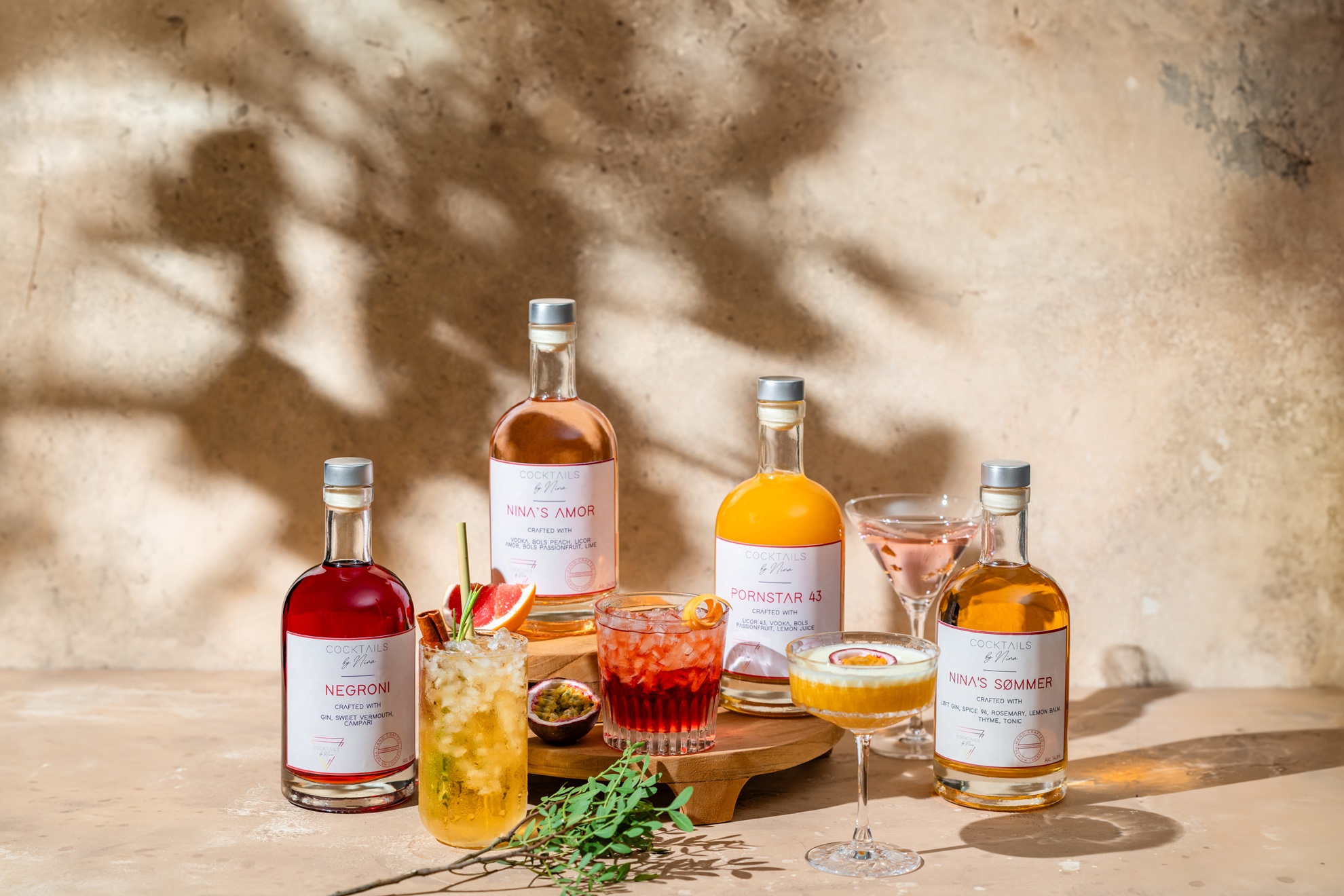
Whether you're hosting a party or just want to enjoy a good cocktail at home: Cocktailsbynina's ready-to-drink mocktails are made with premium ingredients and are directly serveable. Combine them with a cocktail glass set for the complete experience. No hassle with mixing, no leaking shakers. Just enjoyment.
Frequently asked questions
What is the biggest difference between a home bar and a professional bar?
The biggest difference lies in ergonomics and material use. Professional bars are designed for efficiency and durability, while home bars are often set up more aesthetically than functionally.
What equipment do I minimally need for a good home bar?
The basics consist of a stainless steel shaker, an accurate jigger, a bar spoon, a citrus press, and appropriate glassware. With these five items, you can make most cocktails at an acceptable level.
When is it smart to rent a professional bar for an event?
For groups of more than twenty guests, renting is advisable. A professional bar service provides equipment, staff, and setup and breakdown service, which completely relieves you as the host.
Which light color works best for a home bar?
A light color of 2,700 Kelvin provides warm, inviting light that mimics the atmosphere of a real pub. Cold white light is counterproductive and makes the space less cozy.
What is the correct height for bar stools at home?
Bar stools with a seat height of 75–80 cm and a backrest are the most comfortable. This size fits a standard bar table and encourages guests to stay longer.