Premium spirits are distilled beverages of exceptional quality, characterized by careful distillation, high-quality raw materials, and a complex, smooth taste. The term "premium spirits" is a common market designation. The official industry term is premium distilled spirits. If you want to make cocktails that truly impress, you start with choosing the right spirit. The global premium distilled spirits market is projected to grow to USD 245.7 billion by 2026. This growth indicates that more and more people are consciously choosing quality over quantity.
What are premium spirits and how are they made?
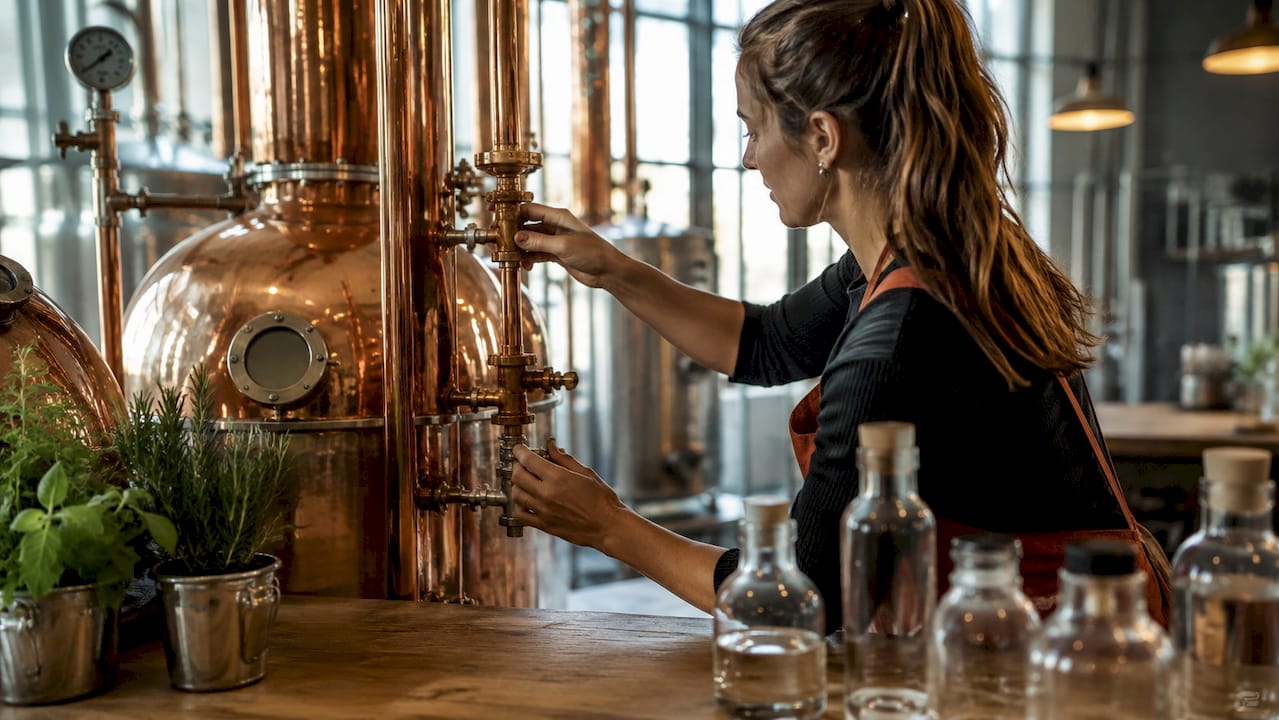
Premium spirits distinguish themselves through their production process. While standard spirits are produced quickly and cheaply, premium producers invest in every step of the process.
The key characteristics of premium production are:
- Multiple distillation: Premium spirits are distilled more frequently than standard variants. Each additional distillation step removes impurities and makes the drink smoother. The alcohol percentage typically ranges between 35% and 50%.
- Longer aging in quality barrels: Whiskey and rum age in carefully selected wooden barrels. These barrels impart color, aroma, and depth to the spirit. The longer the aging, the more complex the final product.
- High-quality raw materials: Premium producers opt for specific grains, sugarcane, or botanicals. The origin of the raw materials partly determines the character of the drink.
- Non-chill filtering: Many premium spirits undergo non-chill filtering, a technique where the spirit is not chilled before filtering. This preserves oils and esters that enrich the taste and texture.
The combination of these techniques results in a spirit that tastes smoother, richer, and more complex than a cheaper variant. This is not a marketing story, but the direct result of craftsmanship and time.
Pro-tip: When buying a premium spirit, always look for information about the aging period and the type of barrel. These details tell more about the quality than the price alone.
What is the difference between premium and cheap spirits?
The difference between premium and cheap spirits lies in taste, purity, and production duration. Cheap spirits are produced quickly, often with minimal distillation and no aging. The result is a sharp, sometimes biting taste.
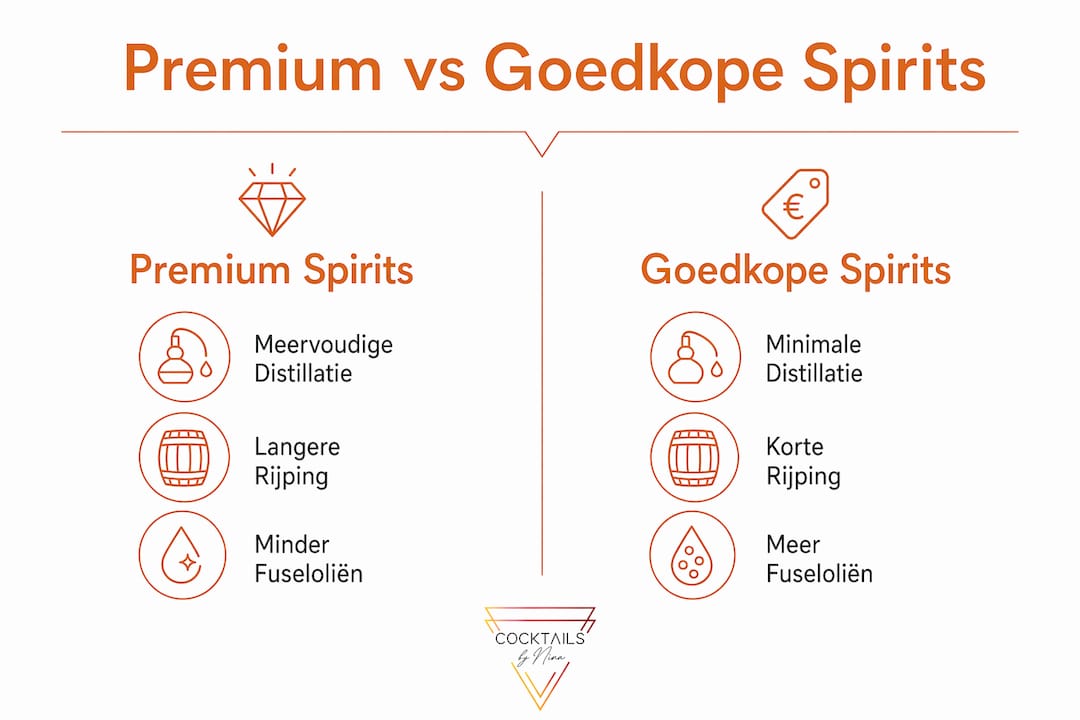
Premium spirits contain fewer fusel oils. Fusel oils are byproducts of fermentation that give a harsh, unpleasant taste. By distilling multiple times and carefully filtering, producers remove most of these substances. This explains why a good whiskey or rum goes down smoothly.
| Characteristic | Premium spirits | Cheap spirits |
|---|---|---|
| Distillation | Multiple rounds | Minimal |
| Aging | Long, in quality barrels | Short or none |
| Raw materials | Selected, high quality | Standard, cheap |
| Fusel oils | Low | High |
| Taste profile | Complex, smooth, layered | Sharp, flat |
| Price | Higher | Lower |
Prices of premium cocktail ingredients vary widely, from affordable bottles to rare specimens costing €50,000 or more. The taste difference is most noticeable in layering and smoothness. Cheap doesn't always mean bad, but for cocktails where the spirit is central, you'll notice the difference immediately.
An important insight: marketing and exclusivity influence the price, but true quality indicators are technical details such as non-chill filtering and barrel selection. An expensive bottle with a nice label is no guarantee of a better spirit. Smaller distilleries sometimes deliver technically superior products at a lower price.
What types of premium spirits are there?
The world of premium spirits is broad. Each category has its own character, production method, and applications in cocktails.
- Whiskey: Whiskey offers complex, drier flavors with notes of oak, vanilla, smoke, or fruit, depending on the type and origin. Single malt whiskey has a more complex taste, while blended whiskey offers more balance and consistency. For cocktails, a blended whiskey often performs better due to that consistency.
- Rum: Rum is a more accessible and rounder base for cocktails. The sweet, fruity notes of premium rum make it approachable for beginners and versatile for advanced enthusiasts. Dark rum ages longer and has more depth; white rum is fresher and more neutral.
- Gin: Premium gin is distinguished by the choice and quality of botanicals, the herbs and spices added during distillation. Juniper berry is always the base, but the rest varies greatly by brand. More about the background of premium gin shows how significant the influence of botanicals is on the final product.
- Vodka: Premium vodka is precisely neutral in taste. Its quality lies in its purity: no aftertaste, no sharpness, just a clean, smooth base. This makes premium vodka ideal for cocktails where other flavors play the main role.
- Tequila: Premium tequila is made exclusively from blue agave and aged in wooden barrels. Reposado and añejo tequila have more depth than blanco variants. Its origin, the Jalisco region in Mexico, is legally defined.
- Premium liqueurs: In addition to the classic categories, premium liqueurs play a supporting role in cocktails. Think of quality triple sec, amaretto, or coffee liqueurs. They add sweetness and aroma without disrupting the balance.
An overview of premium ingredients for homemade cocktails shows how wide the choice is and how each ingredient contributes to the final result.
How to best use premium spirits in cocktails?
Choosing premium spirits only makes sense if you use them correctly. An expensive bottle in a poorly balanced cocktail is wasted money.
- Choose spirit-forward cocktails for the best taste experience. Spirit-forward cocktails like a Manhattan or Old Fashioned contain few mixers. The basic taste of the spirit is central. It is in these cocktails that you taste the difference between premium and standard most clearly.
- Use quality mixers. Cheap mixers kill the nuances of a premium spirit. Opt for quality tonic, freshly squeezed lemon juice, or homemade syrups. A premium gin with a cheap tonic is a missed opportunity.
- Adjust the amount of mixer to the spirit. The stronger the spirit's flavor profile, the less mixer you need. A smoky whiskey needs less accompaniment than a neutral vodka.
- Pay attention to temperature and ice. Quality ice melts slower and dilutes the cocktail less quickly. Use large ice cubes for chilled cocktails you want to sip slowly.
- Avoid overmixing. Shaking or stirring too long dilutes the cocktail and breaks down the spirit's texture. Follow guidelines per cocktail type: shake for cocktails with juice or cream, stir for spirit-forward drinks.
Pro-tip: For a spirit-forward cocktail, always use chilled glassware. Place the glass in the freezer for five minutes before pouring. This keeps the temperature stable longer and enhances the taste experience.
The basis for premium cocktails at home starts with the right combination of spirit and mixer. Mastering this balance allows you to get the most out of every bottle.
Key insights
Premium spirits only deliver their full flavor potential when combined with quality mixers and the correct cocktail technique.
| Point | Details |
|---|---|
| Definition of premium spirits | Distilled beverages with multiple distillation, longer aging, and high-quality raw materials. |
| Flavor advantage | Fewer fusel oils and non-chill filtering ensure a smoother, more complex flavor profile. |
| Best application | Spirit-forward cocktails like Manhattan and Old Fashioned showcase the quality best. |
| Mixers matter | Cheap mixers destroy the nuances of a premium spirit; always choose quality additions. |
| Price is not a guarantee | Smaller distilleries sometimes offer technically superior spirits than large, expensive brands. |
Why I believe the story behind the bottle is worth more than the price tag
The definition of luxury in premium spirits is shifting. Consumers are increasingly seeking authenticity, origin, and the story behind the product. This is a healthy development.
I've noticed that people trying a premium spirit for the first time are often surprised. Not by the price, but by the difference in experience. A well-made rum or a carefully distilled gin tastes different. Smoother, rounder, with more layers. That's not a placebo effect. That's the result of craftsmanship.
What strikes me in the 2026 market: the most interesting bottles don't always come from the biggest brands. Small distilleries experiment with local raw materials and traditional techniques. They produce spirits that are technically excellent but without the marketing budget of large players. Those willing to look beyond well-known names will find true quality there.
My advice: don't start with the most expensive bottle. Start with a spirit that fits the cocktails you want to make. Get to know its flavor profile. Consciously compare a cheaper and a premium variant in the same cocktail. That will teach you more about quality than any article.
— Ruud
Premium cocktails at home without the fuss
If you want to experience what premium spirits mean in practice, you don't have to build a home bar yourself. Cocktailsbynina prepares cocktails with bar-quality ingredients, ready to enjoy immediately.
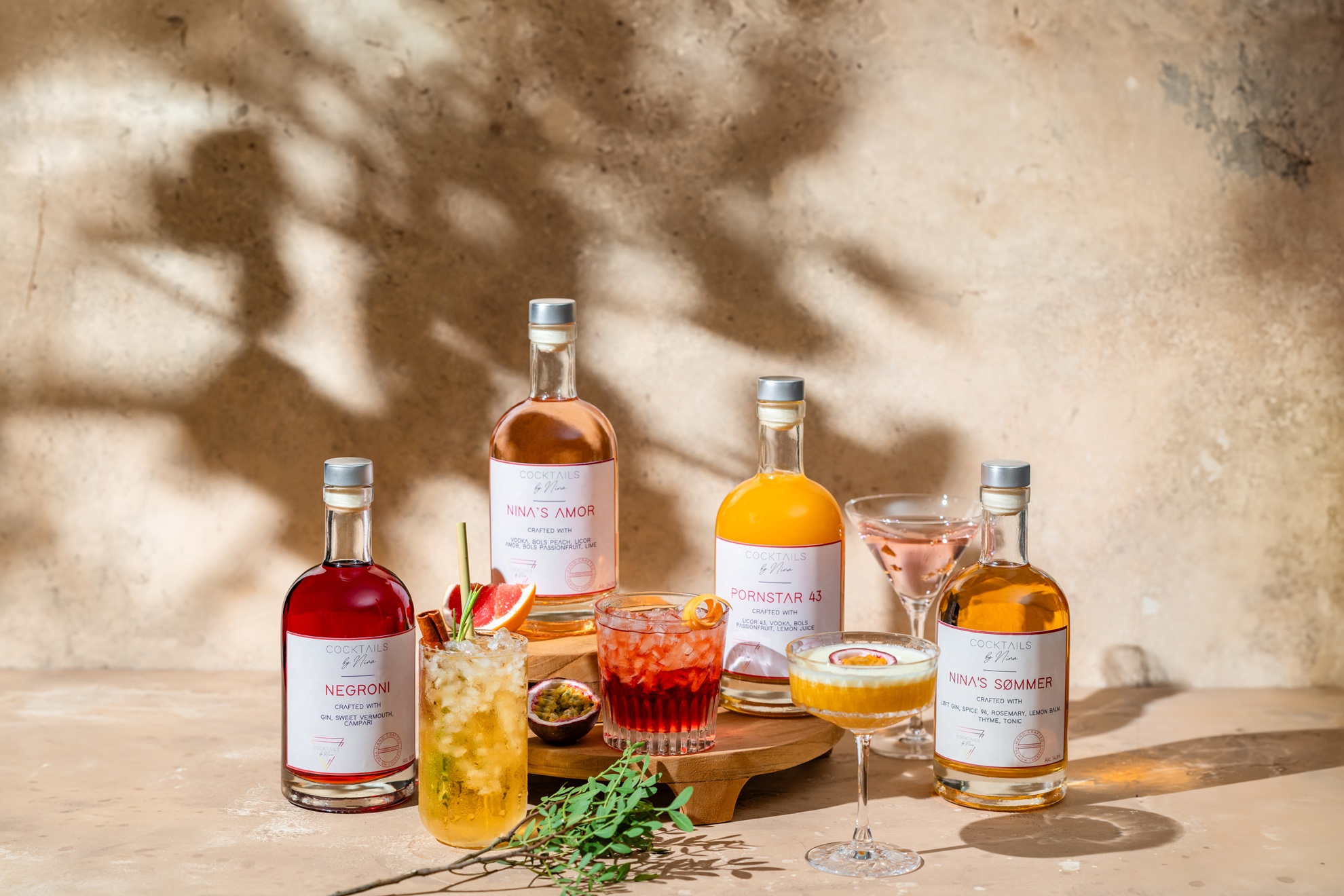
The 4-piece cocktail box is a direct way to taste different premium cocktails side by side. This way, you discover which spirits and flavors suit you, without having to measure, mix, or fail yourself. Each cocktail is prepared with carefully selected premium ingredients. Cocktailsbynina delivers this experience directly to your home, for yourself or as a gift for someone who appreciates quality.
Frequently asked questions
What makes a spirit "premium"?
A premium spirit is distinguished by multiple distillation, longer aging in quality barrels, and high-quality raw materials. Technical details such as non-chill filtering and careful barrel selection are more reliable indicators of quality than the price.
Can you taste the difference of premium spirits in a cocktail?
Yes, especially in spirit-forward cocktails like an Old Fashioned or Manhattan. In cocktails with many mixers, the difference is less clear because other flavors partly mask the base taste.
Are premium spirits always more expensive?
Price is an indicator but not a guarantee of quality. Smaller distilleries sometimes offer technically superior spirits at a lower price than large, well-known brands with high marketing costs.
Which premium spirit is most suitable for beginners?
Rum is the most accessible choice for beginners. Its round, sweet taste makes rum approachable and versatile as a base for cocktails.
Which mixers pair well with premium spirits?
Quality tonic, freshly squeezed lemon juice, and homemade syrups enhance the nuances of premium spirits. Cheap, sugary mixers disrupt the flavor profile and render the investment in a premium spirit meaningless.