Fresh ingredients are the foundation of every dish that truly tastes good. They contain natural sugars, acids, and volatile aromas that packaged or unripe alternatives simply cannot match. Vegetables and fruits harvested at the right time provide maximum concentrations of vitamin C and B vitamins. Professionals recognize freshness as the standard for quality dishes, not a luxury. Those who understand why fresh ingredients are essential cook more consistently, healthily, and with greater pleasure.
How fresh ingredients contribute to flavor and texture
Fresh ingredients provide a depth of flavor that no alternative can replace. Ripening on the plant leads to the formation of aromatic compounds that are essential for full, round flavors. A tomato that ripens in the greenhouse at harvest tastes fundamentally different from a tomato picked green and ripened on the way in a refrigerated container.
Texture plays just as big a role as flavor. Fresh vegetables have a crispness that processed or long-stored products lose due to cell wall degradation. Fresh fish and meat retain their natural juiciness because their protein structures are still intact. You taste that difference directly on the plate.
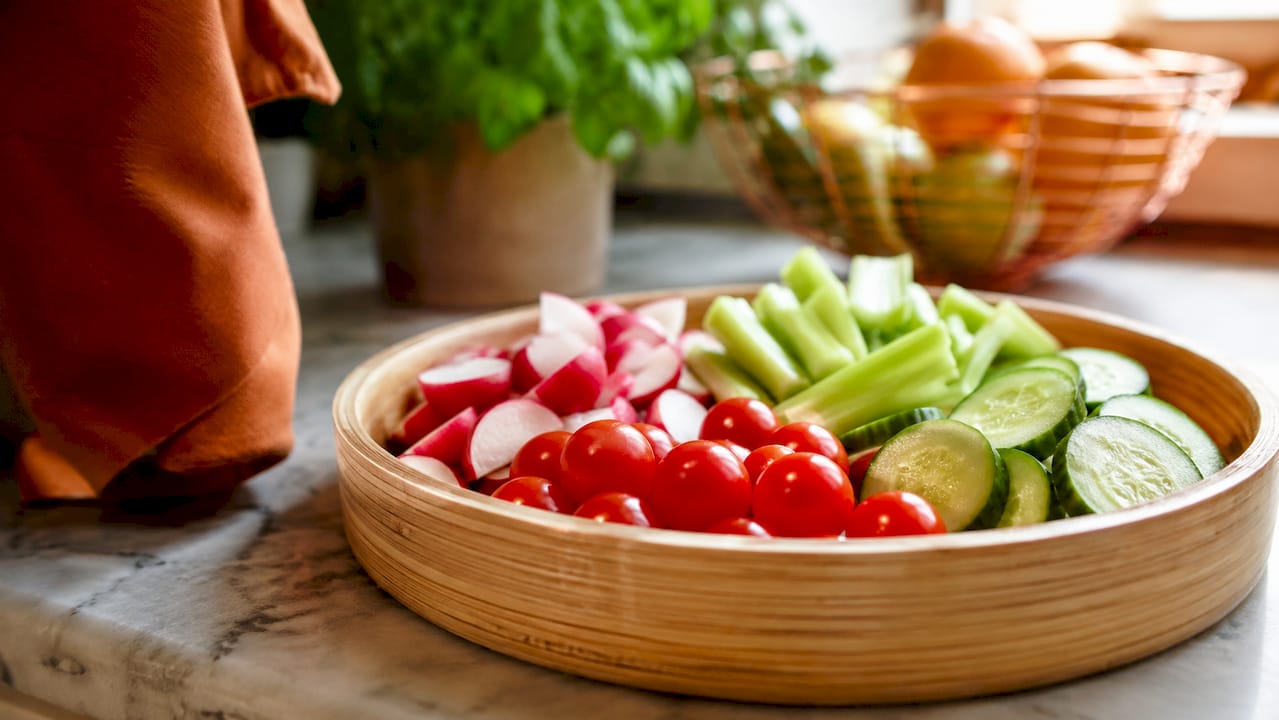
An additional advantage is that fresh quality requires less correction during cooking. Those who work with tasteless ingredients compensate with extra salt, broth, or flavor enhancers. Fresh products do not need that. The flavor balance is already there.
Fresh herbs illustrate this principle most clearly. Fresh basil, cilantro, or thyme contain volatile oils that quickly evaporate when heated or processed. Dried varieties are a temporary solution, not an equivalent alternative. For dishes where aroma is central, fresh is the only choice.
Pro-tip: Always add fresh herbs at the last moment. This preserves the volatile aromas that are lost with prolonged heating. This applies to basil, parsley, and cilantro, but also to lemon zest and fresh ginger.
The benefits of fresh ingredients are also visible in their presentation. Fresh vegetables retain their color better during preparation. Chlorophyll in spinach or broccoli remains vibrant green if the vegetable is fresh and heated briefly. This makes the dish more appealing to the eye, which directly influences the perception of taste.
What does freshness do to nutritional value?
Nutritional value and freshness are inextricably linked. Vitamin C and B vitamins are most susceptible to degradation after harvest, due to exposure to light and oxygen. The longer a product is in transit, the more of these vitamins are lost.
The vitamin C content decreases noticeably with refrigerated storage after approximately 15 days of storage. This means that a bell pepper that has been in the distribution chain for two weeks contains significantly less vitamin C than a bell pepper harvested yesterday. The antioxidant capacity also decreases during the same period.
“Seasonality often guarantees better taste and maximum nutritional value, because the product is harvested at the right time and reaches the consumer quickly.” — Gezondheid.be
Frozen vegetables deserve an honest mention here. They are usually frozen within a few hours of harvest, preserving their nutritional value well. In some cases, they are more nutritious than fresh products that have traveled long distances. Nevertheless, freshly harvested and local produce remains the benchmark for maximum nutrient density.
| Aspect | Freshly harvested | Long-distance transported | Frozen |
|---|---|---|---|
| Vitamin C | Maximum | Significantly reduced after 15 days | Well preserved |
| Aroma | Fully present | Partially lost | Limited |
| Texture | Optimal | Softer | Altered after thawing |
| Antioxidants | High | Decreased | Reasonably preserved |
Fresh ingredients also support the prevention of chronic diseases. Antioxidants, flavonoids, and fiber in fresh fruits and vegetables work together to strengthen the immune system. This synergy is strongest when nutrients are still intact, i.e., as soon as possible after harvest.

Why are seasonal and local products better?
Eating seasonally is not a trend. It is the most direct way to access fresh ingredients at their peak. Shorter chains require less energy and transportation miles, which benefits both nutritional value and ecological footprint.
Seasonal products are riper when purchased because they are not picked green for a long journey. A strawberry in June from a local grower tastes fundamentally different from a strawberry in December from Spain. The sugars have fully developed, the texture is firmer, and the aroma is more intense.
The benefits of local fresh products are concrete:
- Taste: Ripier harvested product contains more sugars and aromas.
- Nutritional value: Shorter transport time means less vitamin loss.
- Price: Seasonal products are cheaper due to abundance and lower transport costs.
- Environment: Less CO2 emissions due to shorter distances.
- Local economy: Local products support the regional economy by keeping money in the region.
Chefs who plan their menus around seasons automatically work with the best ingredients. They don't have to compensate for flavor deficiencies. They build their dishes on what nature provides best at that moment.
Pro-tip: Visit a local farmers market weekly or subscribe to a regional vegetable cooperative. You will always get the freshest seasonal offerings, often directly from the grower. This also lowers the threshold for trying new vegetables and flavors.
Experts make an important distinction: 'fresh' and 'seasonal' are not the same. A fresh tomato in December is fresh in the sense that it is not frozen, but it was grown out of season under artificial light and has traveled a long distance. A seasonal tomato in August is fresh and at its peak flavor. For the best results in the kitchen, aim for both.
How to select, store, and use fresh ingredients optimally?
Good purchasing starts with recognizing freshness. Fresh vegetables have a firm structure, bright color, and a characteristic smell. Limp leaves, brown edges, or a musty smell are signs that the nutritional value and taste have already diminished. Train yourself to read these signs with every purchase.
- Plan your purchases around your weekly menu. Only buy what you need for the coming days. Fresh ingredients have a limited shelf life, and waste is the biggest risk when working with fresh produce.
- Apply the FIFO method. FIFO stands for First In, First Out: use the oldest product first. This prevents fresh ingredients from being forgotten at the back of the refrigerator while new purchases are at the front.
- Store fruits and vegetables separately. Fruits produce ethylene, a ripening gas that causes vegetables to spoil faster. Apples next to lettuce in the refrigerator significantly accelerate the breakdown of the lettuce.
- Use fresh herbs immediately or freeze them. Fresh basil and parsley are past their prime after two days. Chop them finely and freeze them with a little olive oil in an ice cube tray. This way, you always have fresh flavors on hand.
- Combine complementary textures and flavors. Fresh cheese, artisan bread, and nuts alongside fresh vegetables create a balanced dish without much need for correction.
Pro-tip: Store fresh herbs like a bouquet of flowers: in a glass of water in the refrigerator, covered with a plastic bag. Parsley and cilantro will stay fresh for up to ten days this way. Basil is better stored at room temperature, as cold damages the leaves.
Inventory management aligned with menu planning increases efficiency in the kitchen and reduces waste. Professional kitchens work with daily deliveries and strict rotation schedules. Home cooks can apply this principle by buying small amounts twice a week instead of one large weekly grocery trip. This keeps everything fresh and ensures ingredients are used at their peak.
The importance of fresh produce is also evident in the amount of correction needed during cooking. With fresh ingredients, the chef reduces unnecessary flavor corrections because the natural flavors are stronger and purer. Less salt, fewer bouillon cubes, fewer flavor enhancers. The dish speaks for itself.
Key insights
Fresh ingredients are essential because they deliver maximum flavor, nutritional value, and texture, while significantly reducing the need for flavor corrections during cooking.
| Point | Details |
|---|---|
| Flavor and aroma | Fresh ingredients contain volatile aromas and natural sugars that packaged alternatives lack. |
| Nutritional value declines rapidly | Vitamin C and B vitamins degrade after harvest; use products as soon as possible after purchase. |
| Seasonal is better | Seasonal products are riper, more flavorful, and contain more nutrients due to shorter transport chains. |
| FIFO prevents waste | Use the FIFO method to process fresh ingredients in time and reduce food waste. |
| Less correction needed | Fresh quality reduces the need for extra salt and flavor enhancers, leading to more consistent dishes. |
What I've learned about freshness after years of cooking
Ruud speaking:
The first time I truly understood what freshness does was with a simple tomato sauce. For years I had used canned tomatoes, well seasoned, with garlic and basil. Result: fine. Then I made the same sauce with tomatoes from a local grower, in the middle of August. The difference was not subtle. It was as if I was tasting real tomato sauce for the first time.
What has stuck with me since then: fresh ingredients make you a better cook, not because you apply more technique, but because you have to do less. You don't have to compensate. You don't have to correct. You let the ingredient do its work. Culinary professionals see this as craftsmanship: respecting the natural properties of a product.
I often hear the argument that frozen vegetables are just as good as fresh. That's partially true. The combination of fresh and quality frozen products certainly leads to a balanced diet. But anyone who has ever eaten a fresh pea straight from the pod in June knows that frozen is a compromise, not an equivalent alternative. For the base of a dish, for the flavor you want to achieve, you choose fresh.
My advice to every cook: build a relationship with a local supplier or market. Not for the romance, but for the practical benefits. You get better products, you learn what's in season, and you automatically cook with what's at its best. That's the shortest path to consistent quality on the plate.
— Ruud
Cocktailsbynina and the power of fresh flavors
Those who take fresh flavors seriously in the kitchen also appreciate fresh quality in drinks. Cocktailsbynina works with premium ingredients that follow the same philosophy: no compromise on taste, no artificial shortcuts.

For chefs and food enthusiasts who want to incorporate fresh flavors into their drink menu, Cocktailsbynina offers a selection of bar-quality mocktails crafted with attention to aroma and balance. The same principles that apply to a good dish apply here to a good drink. Fresh, thoughtful, and without unnecessary additives.
Frequently Asked Questions
What exactly are fresh ingredients?
Fresh ingredients are products that have not been processed, frozen, or stored for long after harvest. They still fully contain their natural aromas, textures, and nutrients.
Why do fresh ingredients taste better than packaged ones?
Fresh ingredients contain volatile aromas and natural sugars that are lost during processing or prolonged storage. Ripening on the plant ensures the full flavor that packaged alternatives lack.
Are frozen vegetables as healthy as fresh vegetables?
Frozen vegetables are frozen quickly after harvest and therefore retain much of their nutritional value. Freshly harvested and local produce remains the benchmark, but frozen is a good alternative when fresh is not available.
How do I store fresh ingredients the longest?
Apply the FIFO method, store fruits and vegetables separately, and use fresh herbs within two days or freeze them. Refrigerator temperature between 2 and 4 degrees Celsius is optimal for most fresh products.
What is the advantage of seasonal vegetables?
Seasonal vegetables are riper when purchased, contain more nutrients, and taste more intense. They have gone through a shorter transport chain, which benefits both quality and ecological footprint.
Recommendation
- List of premium ingredients for unique cocktails at home – Cocktails by Nina
- Essential cocktail terms: your guide to clear choices – Cocktails by Nina
- Improve your cocktails: the indispensable role of syrups – Cocktails by Nina
- Spirits and mixers: the basis for premium cocktails at home – Cocktails by Nina