Fresh ingredients are the direct source of flavor, texture, and nutritional value in any dish or drink. The importance of fresh ingredients lies in their ability to make or break a meal: a ripe tomato from the market tastes fundamentally different from a canned variety. Fresh produce contains more natural sugars, aromas, and vitamins than processed alternatives. Those who consciously choose freshness not only cook tastier meals but also eat healthier. This article explains why and provides practical tips to get the most out of fresh produce.
How fresh ingredients enhance flavor and texture
Fresh produce has a more complex flavor profile than processed varieties. This is due to the presence of volatile aromas, natural acids, and sugars that are largely lost during processing or storage. A fresh basil sprig gives a dish a vibrant, herbaceous character that dried basil simply cannot match.
Processed products compensate for this loss with salt, flavor enhancers, and artificial aromas. Those who cook with fresh ingredients need fewer of these additives. The dish already tastes rich and layered without extra aids.
Texture plays an equally important role. Fresh vegetables have firm cell walls that provide crispness. Canned or long-stored vegetables lose that structure due to heat and moisture. You can taste and feel the difference immediately with the first bite.
- Aromas: Volatile compounds in fresh herbs and vegetables quickly evaporate after cutting. Use them immediately for maximum flavor.
- Acids: Fresh citrus fruits provide a bright, fresh acidity that bottled lemonade cannot achieve.
- Sugars: Ripe fresh vegetables contain more natural sugars than unripe or processed varieties.
- Texture: Fresh produce retains its structure better with short cooking times.
Pro-tip: Cut fresh herbs like basil or mint just before serving. This preserves the volatile aromas that complete the dish or drink.
The cooking technique partly determines how well the flavor of fresh ingredients comes out. Briefly heating fresh vegetables concentrates natural sugars without losing texture. Blanching and roasting are techniques that deepen the flavor experience without the need for additional flavorings.
What are the health benefits of fresh ingredients?
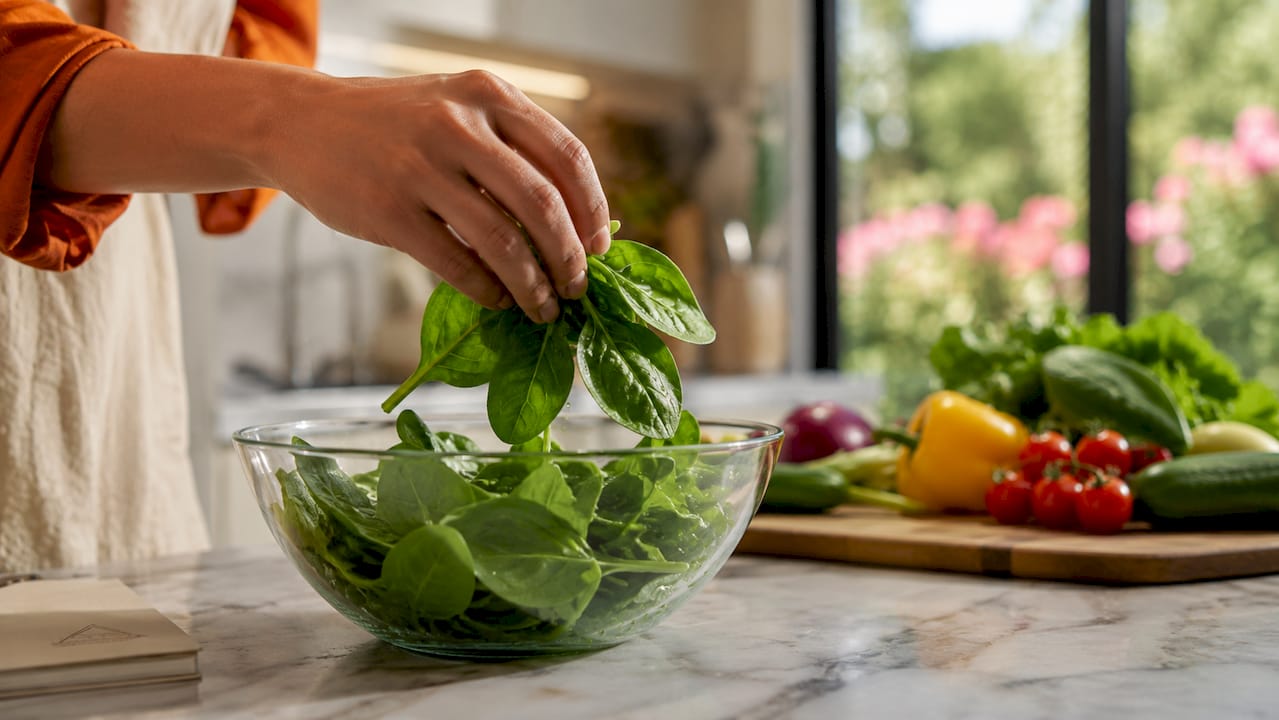
Fresh vegetables contain the highest vitamin content directly after harvest. Especially water-soluble vitamins like vitamin C and B vitamins are sensitive to time, light, and heat. The longer a product is in the supply chain, the more of these vitamins are lost. Consuming fresh vegetables quickly after purchase gives you the most nutritional value per serving.
The calorie benefit of eating fresh food is also measurable. People who eat unprocessed, fresh food consume on average 330 fewer calories per day than people who eat ultra-processed food. This means you can eat more and still consume fewer calories, simply by choosing unprocessed products.
The Netherlands Nutrition Centre advises eating at least 250 grams of vegetables and 200 grams of fruit daily, preferably with seasonal variation. Seasonal products contain more micronutrients because they are harvested at the right time. A winter carrot in November is more nutritious than a carrot that has been in cold storage since July.
| Nutrient | Fresh Source | Effect of Loss |
|---|---|---|
| Vitamin C | Bell pepper, broccoli, citrus | Rapid breakdown with heat and light |
| B-vitamins | Spinach, asparagus, peas | Loss during prolonged storage or cooking |
| Folic acid | Fresh leafy greens | Sensitive to heat and oxidation |
| Potassium | Fresh tomatoes, potatoes | Stable, but processing reduces bioavailability |
“The biggest benefit of fresh ingredients is not just their nutritional value, but also the enhancement of the flavor experience, leading to a more satisfying meal.”
Eating seasonally also provides more variety in micronutrient intake. Those who eat the same products all year round miss the specific nutrients that other seasons offer. Variety is thus not a luxury but a nutritional necessity.
Fresh versus frozen: what to choose when?
Frozen food has an undeservedly bad reputation. Frozen vegetables are often frozen within hours of harvest, meaning they sometimes retain a higher vitamin content than fresh produce that has been in the supply chain for days. A bag of frozen peas from the supermarket can be more nutritious than fresh peas that have been in the fridge for three days.
This does not mean that frozen is always better. Fresh produce wins on flavor, texture, and aroma, especially if bought locally and in season. The difference lies in the application: for a quick stir-fry or soup, frozen works fine; for a salad or garnish, choose fresh.
| Criterion | Fresh | Frozen |
|---|---|---|
| Vitamin content | High immediately after harvest, declines quickly | Stable due to quick freezing |
| Taste and aroma | More complex and fuller | Milder, sometimes watery after thawing |
| Texture | Crisp and firm | Softer after thawing |
| Cost | Higher, seasonal | Lower and available year-round |
| Convenience | Requires quick processing | Long shelf life, always available |
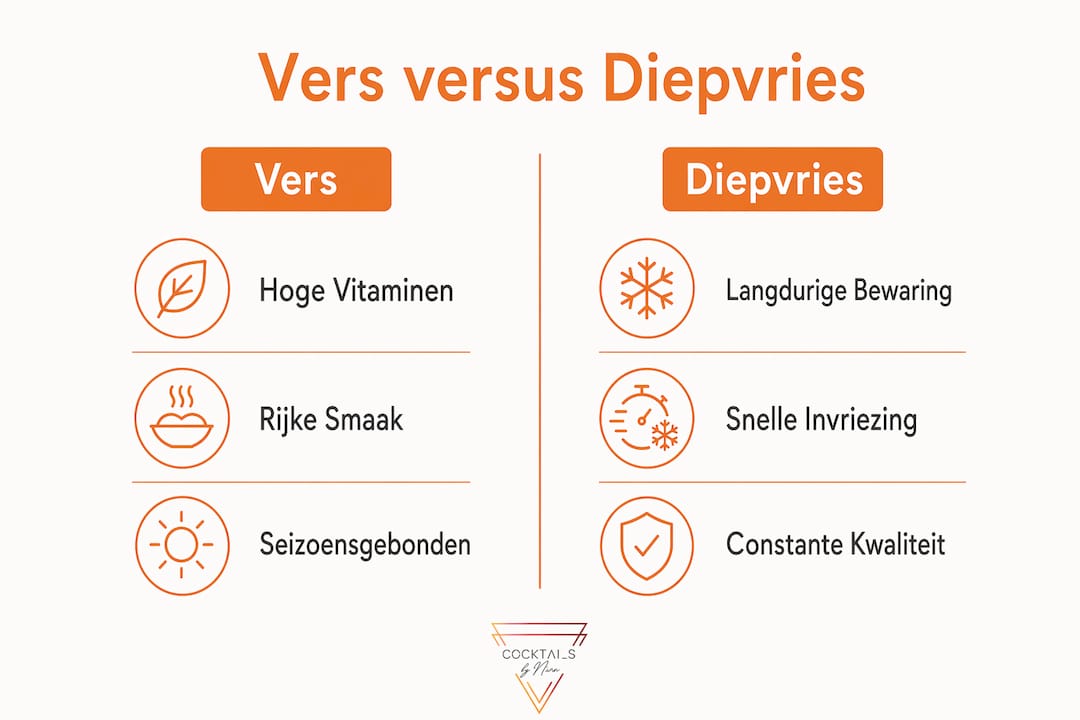
The smartest approach combines both. Supplementing fresh, local, in-season products with quality frozen options provides good nutritional value and flavor all year round. The frequency with which you eat fruits and vegetables counts more than the form of preservation.
Pro-tip: Store fresh herbs and leafy greens separately from apples and pears. Apples release ethylene gas, which causes other produce to ripen and spoil faster.
Practical tips for getting the most out of fresh produce
Freshness begins with purchase but ends with preparation. Those who buy, store, and cook smartly will consistently get more flavor and nutritional value from fresh ingredients. The following approach works in practice.
-
Buy seasonal and local. Seasonal products are fresher because they have less transport time. They are also cheaper because the supply is abundant. A local market or farm shop gives you products that are sometimes harvested the same day.
-
Store fruits and vegetables separately. Fruits such as apples, pears, and bananas release ethylene gas. Ethylene gas accelerates the ripening and spoilage of surrounding vegetables and herbs. Store them in separate drawers or containers.
-
Use the right cooking technique. Blanching, roasting, and quick stir-frying are techniques that open cell walls without destroying flavor. Roasting and blanching concentrate natural sugars and provide a deeper flavor without the need for flavor enhancers.
-
Portion yourself. Pre-cut vegetables and fruits are more expensive and lose vitamins faster due to the larger surface exposed to air and light. Buy whole products and cut them yourself just before use.
-
Plan your week around the season. Create a weekly menu based on what is in season. This way, you buy less, waste less, and eat more varied. The Netherlands Nutrition Centre recommends seasonal variation for optimal micronutrient intake.
-
Use fresh ingredients in drinks too. Fresh mint, cucumber, lemon zest, and ginger give drinks a lively character that syrups and artificial flavors cannot match. For premium drinks at home, the quality of the garnish makes all the difference.
Key insights
Fresh ingredients deliver more flavor, more nutritional value, and less need for flavor enhancers than processed alternatives, and the combination of fresh and frozen yields the best results all year round.
| Point | Details |
|---|---|
| Taste and aroma | Fresh produce contains volatile aromas that are lost during processing. |
| Vitamin content | Water-soluble vitamins are highest immediately after harvest and decline rapidly. |
| Calorie benefit | Eating fresh food results in an average of 330 fewer calories per day than ultra-processed food. |
| Fresh versus frozen | Frozen is a viable alternative, especially for products that are quickly frozen. |
| Practical approach | Buying seasonal, storing separately, and portioning yourself increase quality and reduce costs. |
Freshness as a kitchen philosophy
I have been cooking with fresh ingredients for years, and the most surprising insight is not that fresh tastes better. Everyone knows that. The surprising thing is how little extra you need when the ingredients are good. A good tomato doesn't need dressing. Fresh mint in a drink doesn't need sugar syrup to impress.
What I most often see home cooks doing is compensating. Too much salt, too much sauce, too many additives. That's almost always a sign that the basic ingredients aren't fresh enough. As soon as you switch to seasonal products from a local market or a good greengrocer, that urge to compensate disappears naturally.
The other thing I've learned: freshness isn't a luxury for people with time or money. Seasonal vegetables are often the cheapest products in the store. A head of lettuce in season costs less than a bag of pre-cut lettuce that's already three days old. Cutting yourself, portioning yourself, and conscious buying makes fresh food accessible to everyone.
The role of syrups and fresh additions in drinks is a good example of how freshness also works outside the kitchen. A drink with fresh lemon juice and fresh mint is fundamentally different from a drink with bottled lemonade. The experience is richer, the taste is more authentic.
My advice: start small. Buy one product a week fresh and local that you normally get from a can or bag. Taste the difference. That difference will convince you more than any article.
— Ruud
Fresh taste in every glass at Cocktailsbynina
Cocktailsbynina understands that freshness doesn't stop at the plate. The mocktails and cocktails in their range are made with premium ingredients that reflect the same attention to taste and quality as fresh produce in the kitchen.

Whether you are looking for an alcohol-free option for a party or a ready-to-drink beverage for home, Cocktailsbynina offers drinks whose flavor profile is on par with what you would make yourself with the best fresh ingredients. Check out the mocktail collection for drinks that translate the freshness of fresh products into a complete experience in a glass. For those who want to combine convenience with quality, the ready-to-drink mocktails are a direct choice.
Frequently asked questions
Why are fresh ingredients better than processed ones?
Fresh ingredients contain more natural aromas, vitamins, and sugars than processed varieties. Processing removes or replaces these substances with salt, flavor enhancers, and preservatives.
Are frozen vegetables as healthy as fresh ones?
Frozen vegetables that are frozen quickly after harvest retain a similar or sometimes higher vitamin content than fresh vegetables that have been in the supply chain for a long time. For daily use, both are perfectly valid options.
How much fruit and vegetables should I eat daily?
The Netherlands Nutrition Centre advises a minimum of 250 grams of vegetables and 200 grams of fruit daily, preferably with seasonal variation for optimal micronutrient intake.
How do I store fresh vegetables the longest?
Store vegetables separately from ethylene-gas-producing fruits such as apples and pears. Herbs stay fresh longer in a glass of water in the refrigerator, covered with a plastic bag.
How do I use fresh ingredients in drinks?
Fresh mint, lemon zest, cucumber, and ginger give drinks a lively flavor profile. Add them just before serving for maximum aromas and a professional presentation.