Decorations determine how your drink tastes, even before you take the first sip. The role of decorations in the drinking experience goes beyond aesthetics: visual cues such as color and light actively adjust taste expectations, as brains construct taste based on all sensory information in the environment. Researcher Charles Spence calls this crossmodal perception. Anyone organizing an event and wanting guests to perceive the drink as special can make a difference with targeted decorations and ambiance without changing a single ingredient.
How do color and light influence the taste perception of drinks?
Color is the most powerful visual signal an organizer can use. Red stimulates sweetness, black bitterness: a study shows that the color of presentation elements systematically adjusts the perceived taste intensity, without changing the recipe. This means that a red coaster or a red-lit tabletop will make a cocktail literally taste sweeter to your guests.
Light temperature works in a similar way. Warm yellow light, like candlelight or Edison bulbs, enhances the perception of sweet and round notes in drinks. Cool blue-white light, on the other hand, emphasizes mineral and fresh notes, which pairs well with gin and tonics or prosecco. Professionals coordinate light color and music so that the same drink is experienced as more expressive without recipe changes. This is no coincidence, but deliberate design.
At events, these are the most effective visual choices:
- Color of table decorations: use red or pink for sweet cocktails and mocktails, dark blue or black for bitter or strong drinks
- Glass shape: a tall, narrow glass suggests sophistication and enhances the perception of sparkling drinks; a wide, low glass suits rich, full flavors
- Garnish: fresh herbs, edible flowers, or a piece of fruit add visual expectation that colors the taste experience even before the first sip
- Background color of the bar or drink station: a light background makes the colors of the drink stand out better and increases visual appeal
Pro-tip: For a summer event with fruity cocktails, use a combination of warm amber light and green plant decorations. This combination activates associations with ripe fruit and increases perceived sweetness without added sugar.
What does music do to the drinking experience?
Music doesn't change a cocktail's composition, but it does change how that cocktail feels. Live jazz significantly elevates wine ratings: at Italian tastings, wines received 70% higher scores when live jazz was played, because emotion and expectation guide taste assessment. This effect also applies to cocktails and other drinks.
The mechanism is clear. Music evokes emotions, and those emotions color the experience of what you drink. Cheerful, light music makes a fresh cocktail more lively. Deep, warm sounds give a whisky or cognac more weight and complexity. Contextual factors like music create diverse taste experiences, even among different guests.
Practical guidelines for music selection for drink experiences:
- Cocktail party or celebration: opt for upbeat jazz, bossa nova, or light electronic music at a volume where conversations are still comfortable
- Whisky or gin tasting: classical jazz or acoustic guitar suits the richer, more complex flavor profiles of these drinks
- Mocktail or soft drink session: light pop or acoustic songs support the fresh, approachable atmosphere
- Formal business event: instrumental background music without lyrics prevents distraction and keeps the focus on the drinks and conversation
Pro-tip: Create a playlist that matches the event's pace and mood. Start calmly, build up to a lively middle, and end with something more subdued. Guests will then experience the drinks as a smooth journey.
Why are decorations as visual anchors so effective?
Decorations only work if guests actually see them. Eye-tracking in busy bars shows that attention in crowded environments is highly selective. Only POS elements visible in the direct line of sight influence purchasing behavior. The rest is ignored. This is a crucial insight for anyone using decorations at events.
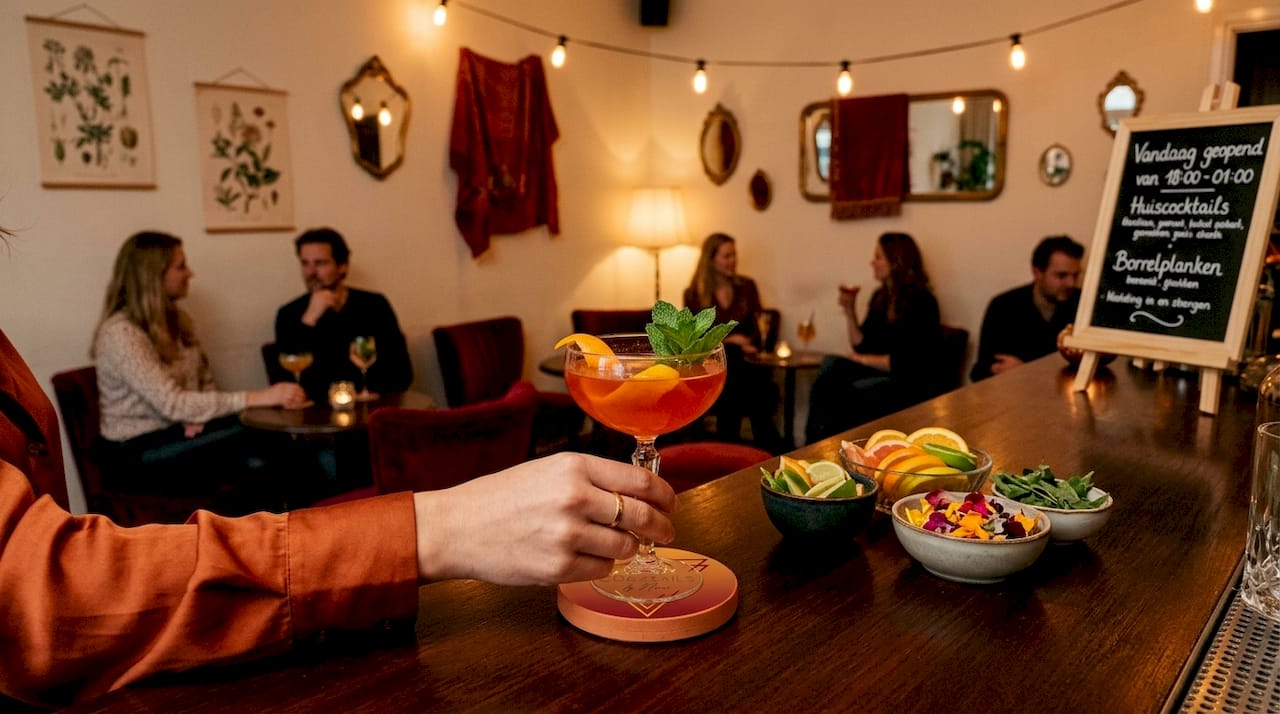
Effective decorations are decision anchors visible in key sightlines and ordering areas. A beautifully arranged drink station hidden behind a pillar does nothing. The same setup at eye level, directly next to the entrance or point of order, actively influences choices. Timing and placement of visual presentations determine whether guests choose a particular drink brand or cocktail.
Here's how to strategically use decorations as visual anchors:
- Place decorations at eye level along the routes guests take from the entrance to the drink station or bar
- Mark the ordering moment with a striking but not overwhelming decorative element, such as an illuminated menu or a floral arrangement directly next to the drinks
- Use repetition by bringing back a color or motif at multiple points in the room, so guests unconsciously follow a visual narrative
- Test sightlines by putting yourself in a guest's position and observing what you see first. Adjust the arrangement based on what stands out
- Avoid decorative overload because too many stimuli mean guests see nothing. Choose three to five strong visual elements and omit the rest
Pro-tip: Photograph the space from a guest's perspective before the event begins. What stands out in the photo? That's what guests will see. Anything that doesn't stand out in the photo won't work as a visual anchor either.
How do you combine decorations and tasting moments at events?
The most effective drink experiences combine visual setting, timing, and tasting moments into a cohesive whole. The Distiller Experience event at IDDF in Concert is a concrete example: an atmospheric mirrored tent with tasting bars and a strict timeline significantly enhanced visitor engagement and experience. The model works because ambiance and taste are offered simultaneously.
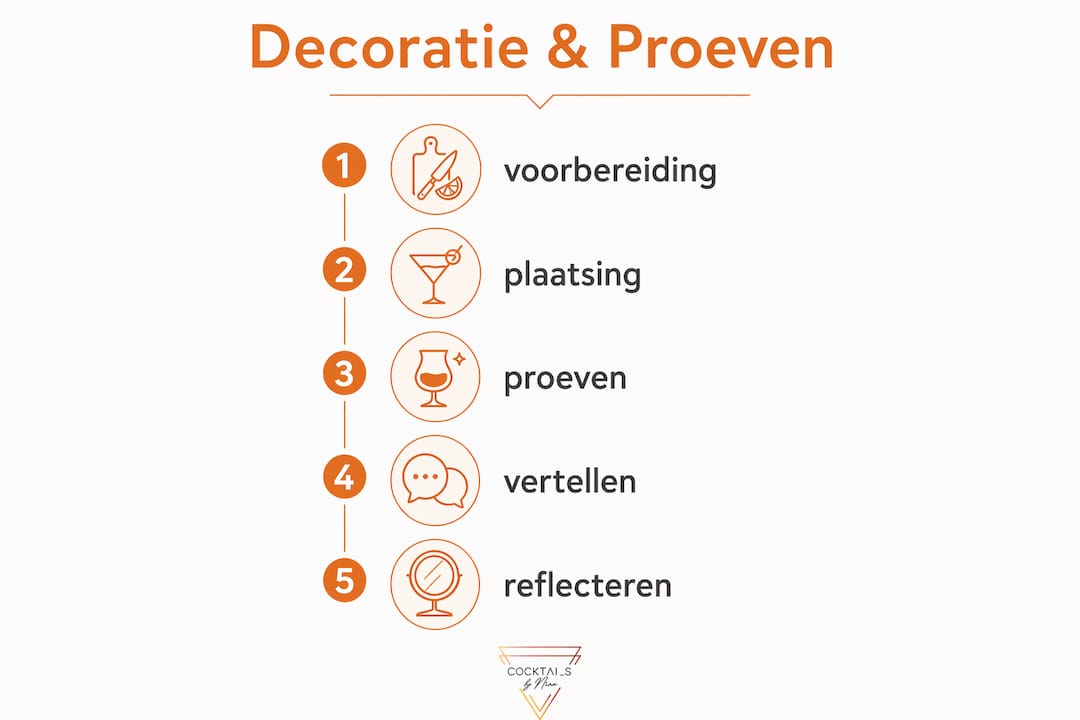
A strict experiential rhythm, where placement, tasting, storytelling, and reflection follow one another, works better than randomly scattered decorations. Guests need structure to process and appreciate the experience. This rhythm can also be applied to smaller events, from a birthday to a business reception.
Seasonal decorations tailored to the type of drink enhance perception and experience. A Lillet Rosé Spritz with a summery presentation and light color accents works differently than the same drink on a neutral table. The decoration tells the story of the drink before it is tasted.
The table below compares three event formats in terms of decoration integration and drink experience:
| Event Format | Decoration Style | Drink Type | Experiential Effect |
|---|---|---|---|
| Home Cocktail Party | Candlelight, fresh flowers, color accents | Ready-to-drink cocktails | Intimate atmosphere increases appreciation of taste |
| Business Tasting | Sleek setups, brand visibility, calm colors | Whisky, gin, wine | Professional appearance increases credibility |
| Summer Outdoor Event | Greenery, fruit, light fabrics, warm light | Spritz, mocktails, fruity cocktails | Seasonal associations enhance fresh taste perception |
| Themed Party | Strong color themes, props, lighting | Themed cocktails or shots | Total experience strengthens emotional connection with drink |
For every format: the decoration should support the drink's story, not overpower it. A stylish cocktail presentation requires consistency between glass, garnish, light, and environment. When all these elements align, guests perceive the drink as higher quality, even if the recipe is identical to a less carefully presented one.
Brand visibility also plays a role. When bottles, labels, or branded elements are visible at the right moment in the ordering process, it increases recognition and trust. Combine this with garnish ideas that visually match the drink's taste promise, and you create a presentation that guests will remember.
Key insights
The impact of decorations on drink experience is scientifically proven: visual, auditory, and contextual cues together form the taste experience, and those who consciously use these cues increase the appreciation of any drink without changing the recipe.
| Point | Details |
|---|---|
| Color guides taste perception | Red increases sweetness, dark colors bitterness. Adapt table decorations to the drink type. |
| Music enhances appreciation | Live or appropriate background music demonstrably increases taste ratings. Match genre to drink. |
| Visibility is everything | Decorations only work if they are in direct sight. Place visual anchors at eye level. |
| Rhythm completes it | A structured experiential rhythm from placement to tasting works better than disparate decorations. |
| Season and drink align | Seasonal decorations enhance taste associations and elevate the overall guest experience. |
Decorations that work versus decorations that are just pretty
I've seen at dozens of events how organizers spend a lot of money on decorations that guests never notice. A beautiful flower wall behind the bar, perfect for Instagram, but placed three meters high. Nobody looks up when they order a drink. That decoration works for the photographer, not for the guest.
What I consistently see working: small, targeted details at the moment guests are making a decision. An illuminated sign next to a cocktail. A scented candle at the right height. A color accent that is repeated in the glass and on the table. This consistency creates a sense of care and quality that guests immediately feel, even if they can't quite pinpoint why.
My honest recommendation: invest less in grand decorative statements and more in the three meters surrounding the drink moment. That's where the experience is made. And if you're unsure if a decoration works, stand there yourself as a guest. If you don't see it, nobody will.
— Ruud
Create a complete drink experience with Cocktailsbynina
Atmosphere and decorations are half the story. The other half is a drink that lives up to expectations.
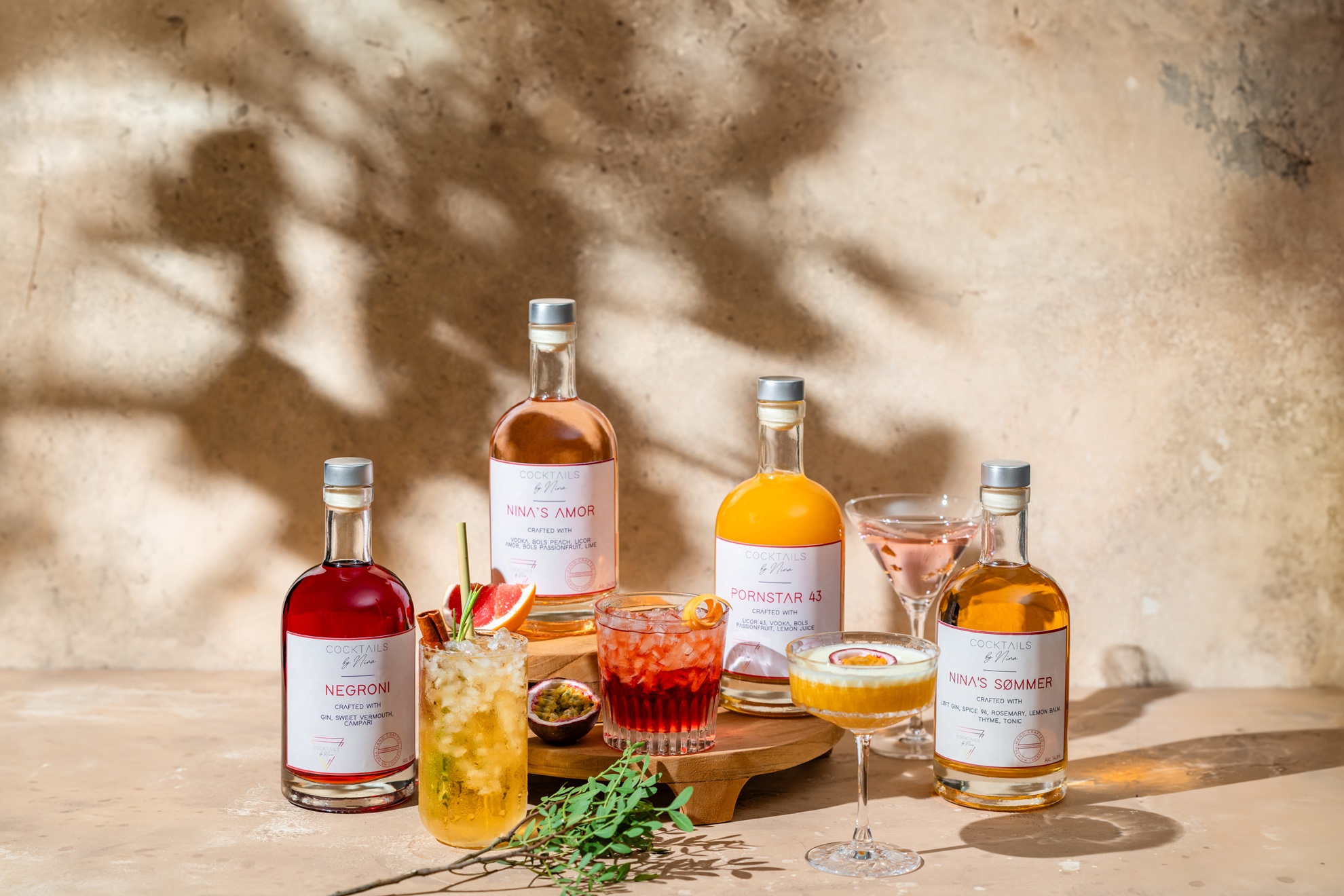
Cocktailsbynina offers ready-to-drink cocktails of bar quality that fit directly into a well-arranged event setup. No fuss with mixing, no chance of inconsistency. Combine them with Cocktailsbynina's cocktail glass sets for a presentation that visually and tastefully makes an immediate impression. Whether you're organizing a birthday, a business reception, or an intimate party at home: the combination of professional drinks and thoughtful presentation makes the difference guests will remember. View the full bar-quality drink selection for more inspiration.
FAQ
How do decorations affect the taste of drinks?
Decorations provide visual cues that shape taste expectations even before the first sip. Color, light, and presentation elements activate associations in the brain that adjust the perceived taste intensity.
Which color decorations are suitable for sweet cocktails?
Red and pink stimulate the perception of sweetness. A study shows that red presentation elements systematically increase perceived sweetness without changing the recipe.
Does music really influence how a drink tastes?
Yes. In tastings with live jazz, drinks received significantly higher ratings, because music activates emotion and expectation that positively color the taste experience.
Where should I place decorations for maximum effect?
Place decorations at eye level in the direct line of sight of guests, particularly when they are choosing or ordering a drink. Eye-tracking research shows that decorations outside the line of sight have no effect on choice or experience.
Do seasonal decorations also work for small events?
Absolutely. Seasonal accents like fresh fruit, flowers, or appropriate color themes enhance the taste associations of the drink and elevate the overall guest experience, even at an informal home party.