The right glass is not an afterthought. The shape, volume, and material of your glass directly determine how a cocktail or mocktail tastes, smells, and feels. A good glassware selection guide helps you systematically determine which glass best suits your drinks and occasions. Whether you're hosting an informal party at home or catering a formal dinner, the choice of glassware makes the difference between an ordinary drinking experience and a true experience. Cocktailsbynina explains step by step how to do this.
What types of glassware are there and what are they used for?
The shape of a glass influences aroma, temperature, and taste balance in cocktails. This makes glassware a functional tool, not just a decorative element. Understanding the types of glassware allows for better choices with every cocktail.
The most common glass shapes
| Glass type | Volume | Typical application |
|---|---|---|
| Highball | 250–350 ml | Long drinks, mojito, gin and tonic |
| Old fashioned (tumbler) | 180–300 ml | Old fashioned, whisky, negroni |
| Coupe | 150–200 ml | Champagne cocktails, daiquiri, sidecar |
| Martini (V-glass) | 150–250 ml | Martini, cosmopolitan, appletini |
| Gin and tonic glass (balloon) | 500–700 ml | Gin and tonic with garnish and lots of ice |
| Tiki / Mai Tai glass | 400–500 ml | Tropical cocktails, Mai Tai, piña colada |
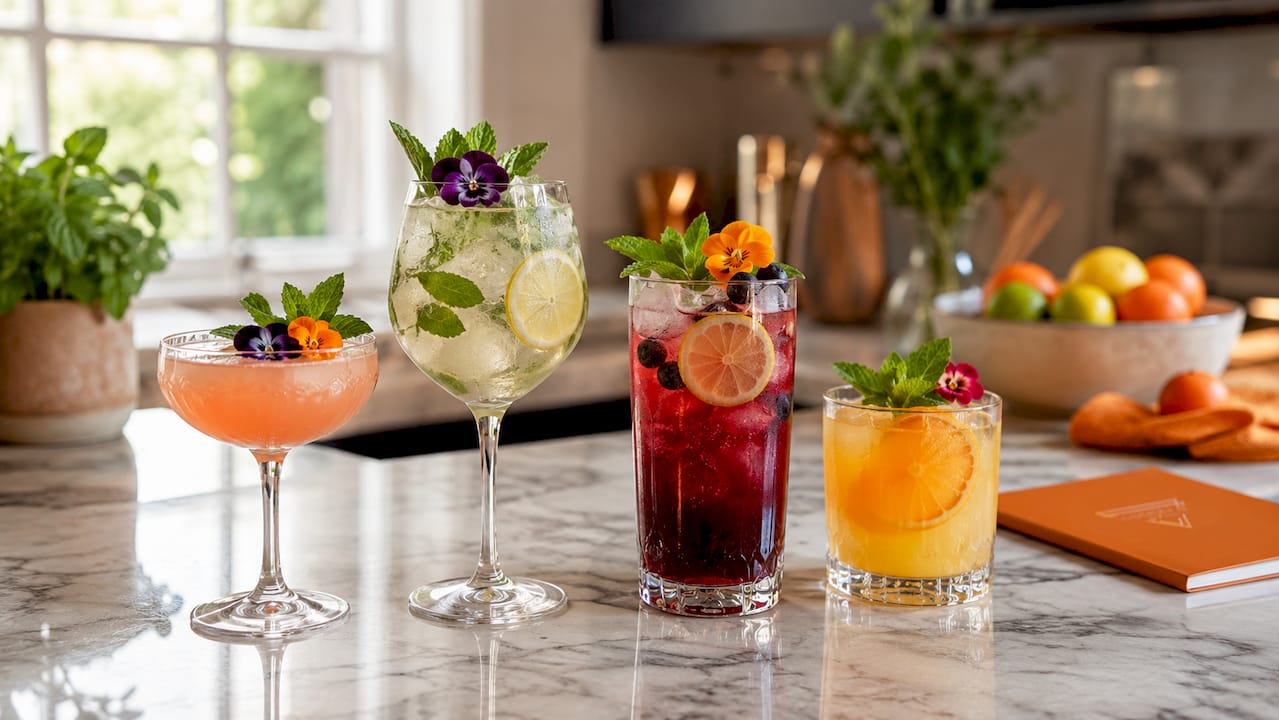
The highball glass is the most versatile choice for home use. It suits long drinks with soda or tonic and keeps ice cold for a long time due to its narrow opening. The old fashioned glass, also called a tumbler, is wide and short. This makes it suitable for cocktails that are stirred rather than shaken, such as a negroni or a whisky sour.
The coupe is the most photogenic glass in the cocktail world. Its wide, shallow bowl allows aromas to be released quickly, which works well for fruity and floral cocktails. The martini glass has a similar function, but its pointed V-shape concentrates aromas slightly more towards the nose.
For gin and tonics, a specific rule of thumb applies: a glass of 50–70 cl provides enough space for ice, garnish, and cooling. A glass that is too small will cause the ice to melt quickly and dilute the drink. Cocktailsbynina specifically sells 65 cl gin and tonic glasses that meet this size.
Pro-tip: Buy your glasses by type and start with highball and old fashioned. A basic set of 3 to 4 glass types covers 90% of all cocktail recipes.
How do you determine your usage scenario and preferences?
The best glassware choice starts with you, not the store. The choice of glassware depends on the type of event and the desired guest experience. Those who understand this will buy more targeted and cost-effectively.
Ask yourself four questions before buying glassware:
-
What kind of events do you organize? Informal gatherings call for sturdy, multifunctional glasses. Formal dinners call for slender stemmed glasses that exude elegance. Multifunctional glasses suit informal occasions, while stylish stemmed glasses enhance a formal feel.
-
How many guests do you expect? For a household of two people, 4–6 glasses of each type are sufficient. Those who regularly host parties for 10 or more guests are better off buying sets of 8 or 12 at a time. Breakage is inevitable, so a small reserve is wise.
-
What is your budget? Glassware roughly falls into three categories. Budget glassware costs €30–50 per set, mid-range €50–90, and luxury crystal €90–150 or more. Budget glassware is fine for everyday use. Crystal is beautiful for special occasions but more fragile.
-
How intensively do you use the glassware? Hospitality-grade glassware is sturdier than consumer glass and suitable for intensive use. Thin crystal series are more fragile and less suitable if you regularly put glasses in the dishwasher.
Pro-tip: For your first set, always choose dishwasher-safe glassware. Handwashing sounds caring, but in practice, more breaks during manual washing than in a dishwasher on a low temperature.
Multifunctional glassware saves space and money. A highball glass works for mojitos, gin and tonics, and non-alcoholic mocktails. Those with little cabinet space are better off choosing two versatile types rather than six specialized glasses that rarely leave the shelf. Also check the drink experience guide for home parties for more context on atmosphere and presentation.
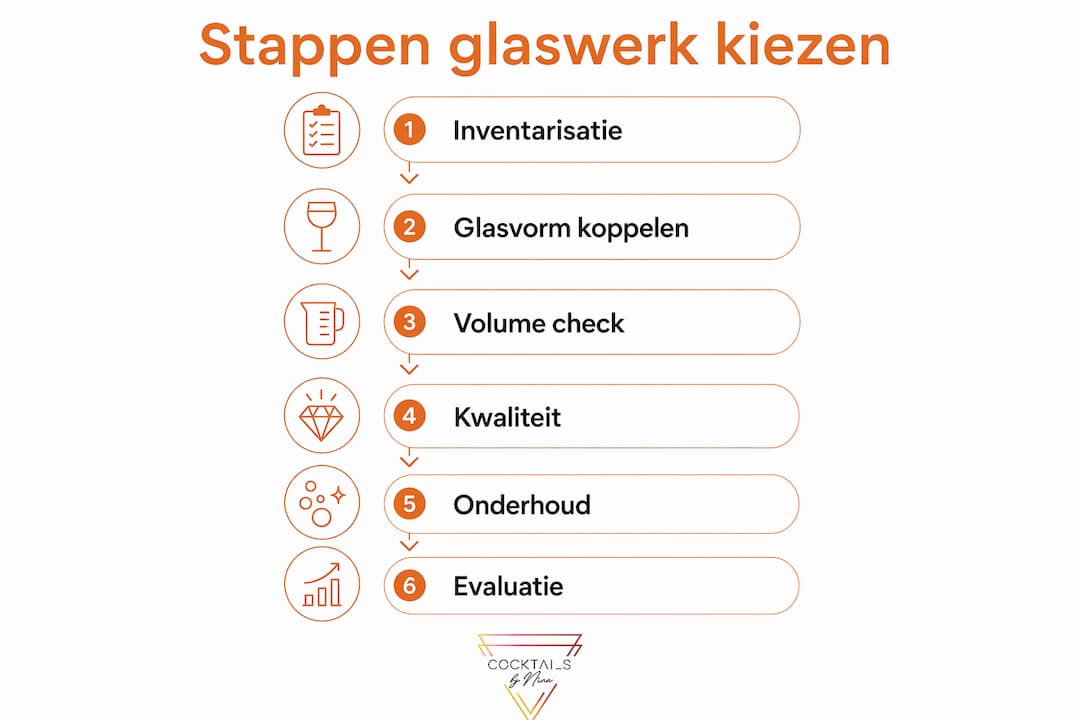
Step-by-step plan: how to choose the right glassware
This step-by-step plan for selecting glassware works for both beginners and enthusiasts looking to expand their collection.
Step 1: Inventory your favorite drinks
Write down which cocktails and mocktails you make or order most often. Are they long drinks like mojitos and gin and tonics? Then you need highball glasses. Are they classics like an old fashioned or negroni? Then a tumbler is essential. Those serving tropical cocktails should look at tiki glasses or Mai Tai glasses of 49 cl.
Step 2: Link glass shape to recipe
Every recipe has an ideal glass shape. Shaken cocktails without ice belong in a coupe or martini glass. Cocktails with a lot of ice belong in a wide, tall glass. Cocktails that you stir and serve directly belong in an old fashioned glass. Link your list from step 1 to the glass types in the table above.
Step 3: Check volume and sizing
Volume is not a detail. Modern cocktail machines require glasses of approx. 180–300 ml due to fixed output volumes. A glass that is too large will make a cocktail watery. A glass that is too small will overflow. Always check the capacity before buying.
Step 4: Choose based on quality and budget
Buy the best glassware that fits within your budget. Invest in hospitality-grade quality for daily use and save fine crystal glasses for special occasions. Cheap glassware that breaks after three months is ultimately more expensive than a quality set that lasts for years.
Step 5: Check dishwasher resistance and maintenance
Read the product specifications. Not all glassware is dishwasher safe. Crystal loses its shine at high temperatures. Hospitality glass tolerates higher temperatures better. If you buy glassware for intensive use, explicitly choose dishwasher-safe variants.
Step 6: Try and evaluate
Use your new glasses a few times before expanding the set. Pay attention to how the glass feels in your hand, whether it is easy to clean, and whether the cocktail tastes good in it. Only then decide whether to buy more of the same or add another type.
| Step | Action | Point of attention |
|---|---|---|
| 1 | Inventory favorite drinks | Which cocktails do you make most often? |
| 2 | Link glass shape to recipe | Shaken, stirred or long drink? |
| 3 | Check volume | 180–300 ml for classic cocktails |
| 4 | Choose quality and budget | Hospitality for daily, crystal for parties |
| 5 | Check dishwasher resistance | Read product specifications |
| 6 | Try and evaluate | Feel, cleaning, taste experience |
Pro-tip: Chill your glass before pouring by briefly placing it in the freezer or filling it with ice water. This reduces dilution from melting ice and noticeably improves the taste, especially for gin and tonics and long drinks.
For more background on setting up a good home bar, also read the guide on bar-quality drinks at home.
Common mistakes when choosing glassware
Those who buy glassware without a plan make the same mistakes repeatedly. Recognize them early and you'll save money and aggravation.
-
Focusing too narrowly on one glass style. Those who only buy martini glasses because they look nice will quickly have a problem if guests ask for a long drink. Always choose at least two different glass types for flexibility.
-
Ignoring volume. A glass that is too small for your recipe forces you to adjust quantities. This disrupts the taste balance. Always check the capacity, not just the height or width of the glass.
-
Underestimating durability. Thin crystal looks beautiful in the store. At home, at a party with ten guests, it's a risk. Choose the right quality for each occasion.
-
Not considering storage space. Large balloon-shaped gin and tonic glasses take up a lot of space. Those with a small kitchen are better off buying stackable or more compact variants.
-
Not chilling glassware before use. Chilling glassware reduces rapid dilution and improves taste retention. This is a step many home bartenders skip, but it makes a noticeable difference.
-
Forgetting etiquette for formal occasions. For a formal dinner, a cocktail belongs in a stylish stemmed glass, not a tumbler. The glass communicates the tone of the event to your guests.
“Check with the first sip if the glass matches the drink. In case of a mismatch, calmly correcting is always better than continuing with the wrong glass. The drinking experience improves immediately.”
For more insight into the differences between glassware for home and hospitality, read the article on the difference between home bar and professional bar. Those who specifically want to know more about the best glasses for gin and tonics can find extensive guidelines at Gin Niro on gin and tonic glasses.
Key insights
Choosing the right glassware requires insight into glass shapes, usage scenarios, and budget, combined with a step-by-step approach that starts with your favorite cocktails.
| Point | Details |
|---|---|
| Basic set of 3–4 types | Highball, old fashioned, coupe, and martini cover 90% of all cocktail recipes. |
| Volume is functional | Always check the capacity; 180–300 ml is the standard for classic cocktails. |
| Budget determines quality level | Budget €30–50, mid-range €50–90, luxury crystal €90–150 or more per set. |
| Chill your glass before use | Pre-chilled glassware reduces dilution and improves the taste of every cocktail. |
| Choose quality based on use | Hospitality glass for daily, crystal for special occasions. |
My take on choosing glassware: what really works
Over the years, I've seen a lot of glassware pass by, from cheap sets that cracked after one party to beautiful crystal coupes no one dared to use. The honest conclusion: the best glassware is the glass you actually use.
What strikes me is that most people too quickly grab the prettiest glass instead of the most functional. A good quality highball glass, dishwasher safe and sturdy, gives more pleasure than a fragile crystal coupe that's already cracked after three weeks. Elegance and ease of use are not mutually exclusive, but you have to consciously choose which to prioritize.
Multifunctional glassware is my preference for home use. Two good highball glasses and two old fashioned glasses give you more possibilities than six specialized glasses that only work for one cocktail. For formal occasions, I add coupes. That's the entire collection you need to impress.
Invest once in quality. A good set of hospitality glasses will last for years and still look good after a hundred washes. That's the best glassware buying tip I can give.
— Ruud
Combining glassware and cocktails at Cocktailsbynina
Cocktailsbynina offers more than just ready-made cocktails and mocktails. The webshop also has a selection of glassware that matches the drinks you serve.
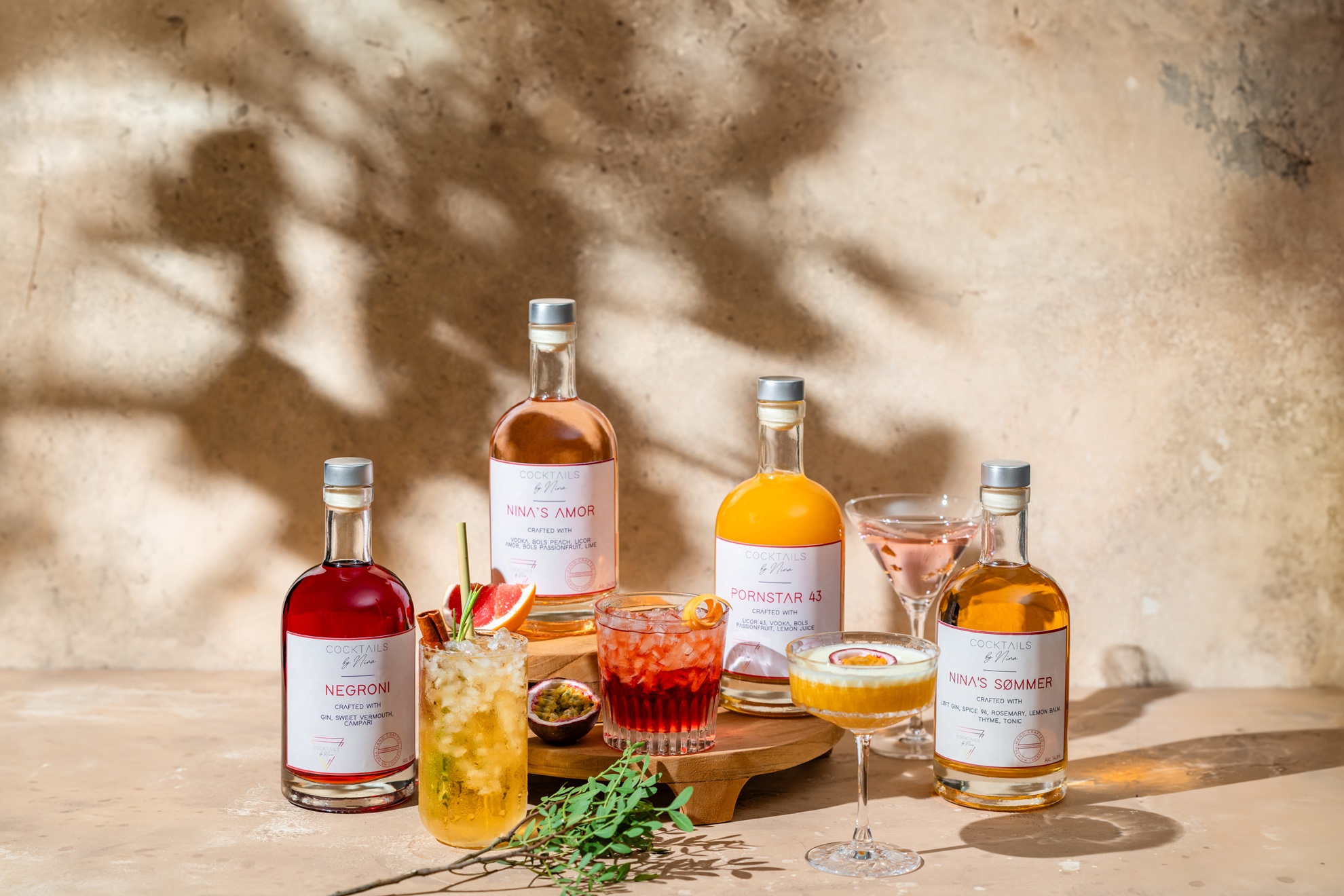
Whether you're looking for a cocktail glass set for a birthday or want to set up a complete evening with matching glasses and drinks, you'll find both at Cocktailsbynina. Combine your new glassware with ready-made mocktails for a complete presentation without hassle. The drinks are ready to pour, you choose the right glass, and the atmosphere is immediately right.
Frequently asked questions
What glass types do I minimally need for cocktails?
A basic set of highball, old fashioned, coupe, and martini glasses covers 90% of all cocktail recipes. Start with these four types and then expand based on your favorite drinks.
What glass volume is best for cocktails at home?
For classic cocktails, 180–300 ml is the standard. Gin and tonic glasses need a larger volume of 500–700 ml due to ice and garnish.
Is expensive crystal glassware worth it?
Crystal is suitable for special occasions but more fragile than hospitality glass. For daily use, hospitality-grade glassware is more durable and practical.
Should I pre-chill my glasses before use?
Yes. Pre-chilled glassware reduces dilution from melting ice and improves the taste experience, especially for gin and tonics and long drinks.
How do I choose glassware for both cocktails and mocktails?
Highball and old fashioned glasses are multifunctional and work for both alcoholic cocktails and mocktails. Choose dishwasher-safe glassware if you use it regularly.