Cocktail aroma and flavor pairing is the process of combining aromas and flavor profiles in such a way that the drinking experience is greatly enhanced. Scent accounts for up to 95% of flavor perception, meaning the nose does more than the tongue. Those who understand this make better cocktails. At home, at a party, or at an event: the right combination of aroma and flavor makes the difference between an ordinary and an unforgettable drinking experience.
1. What is cocktail aroma engineering and why is it crucial?
Aroma engineering is the technique of consciously using scents to direct the taste experience of a cocktail. The term sounds technical, but the principle is simple: what you smell determines what you taste.
Scent reaches the brain in two ways. Orthonasal olfaction is what you smell when you hold your nose over a glass. Retronasal olfaction is what you taste while drinking, via the back of the throat. Both routes together form the complete taste experience. Those who rely only on the tongue miss half the story.
Concrete techniques make the difference. An aroma cloud, where you use a sprayer with herbal extract above the glass, gives the first impression even before the first sip. Temperature manipulation also works: a cold cocktail releases less aroma than a cocktail at room temperature. Large, clear ice cubes melt more slowly and keep the flavor intensity stable for longer.
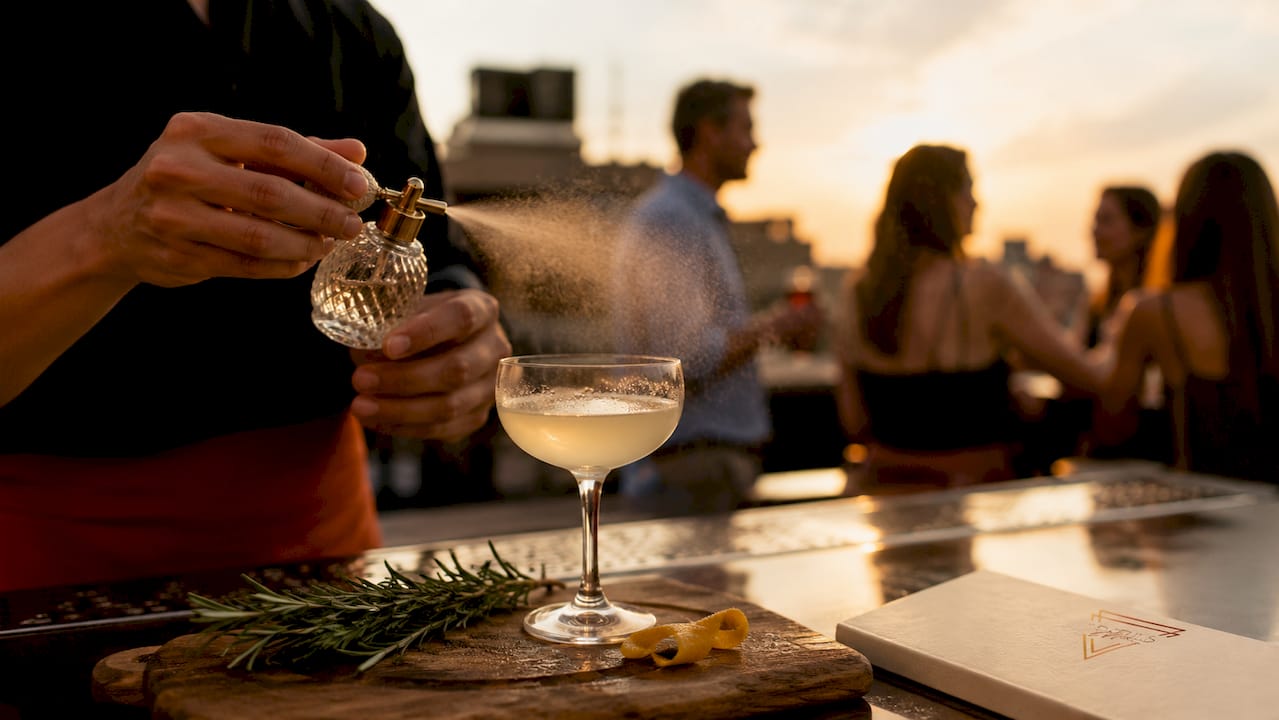
Garnish is not just decoration. Squeezing a citrus zest over the glass creates a cloud of essential oils that directs the taste experience even before you touch the cocktail. That is active aroma engineering, not just embellishment.
Pro-tip: Always squeeze the peel of an orange or lemon over the glass, not next to it. The oils then land on the surface of the drink and in the air above it, exactly where the nose picks them up.
2. Top 10 scent and flavor pairings for cocktails at home and at events
The best cocktail aroma combinations are not arbitrary. They follow logic: complementary flavors enhance each other, contrasting flavors create tension. Below are ten pairings that work instantly at home and at events.
-
Citrus and juniper. The fresh, slightly bitter note of juniper pairs perfectly with lemon or grapefruit. A gin and tonic with a slice of grapefruit and a sprig of rosemary is the textbook example. Citrus enhances aromas in gin in a way that increases freshness without overpowering the botanicals.
-
Rosemary and lemon. Rosemary has a resinous, slightly camphoraceous scent that sharpens citrus. Use a sprig of rosemary as a garnish and brush it along the rim of the glass. The warmth of your hand activates the essential oils.
-
Basil and strawberry. Basil has a sweet-spicy aroma that deepens the sweetness of strawberry. A strawberry-basil daiquiri is one of the most accessible unique cocktail aromas for home use.
-
Smoke and whiskey. Smoked aromas and whiskey are a classic combination. A smoked orange peel as a garnish with an Old Fashioned adds a layer that enhances the vanilla and caramel in the whiskey.
-
Cucumber and mint. Cucumber has a watery, fresh aroma that complements mint without overpowering it. Together they create a summery flavor profile that works well in mocktails and light gin cocktails.
-
Ginger and lime. The sharp warmth of ginger and the tart freshness of lime create a contrast that awakens the taste experience. A Moscow Mule works exactly for this reason.
-
Lavender and honey. Lavender has a floral, slightly medicinal aroma that honey softens. Use lavender syrup in combination with honey for a cocktail that is both sweet and complex. More about the role of syrups can be found in the guide on syrups.
-
Anise and citrus. Anise has a sweet, spicy aroma that works well with grapefruit or orange. An Aperol Spritz is the best-known example of this combination in bestselling cocktail recipes.
-
Coffee and chocolate. Coffee and chocolate are complementary aromas that together create a rich, full flavor. An Espresso Martini or a chocolate Negroni are classic applications.
-
Vanilla and rum. Vanilla enhances the sweet, molasses-like notes in rum. A dash of vanilla extract or a vanilla pod as a garnish transforms a simple rum cocktail into something that tastes much more complex.
3. How do you apply scent and flavor pairings to dishes?
Cocktail flavor pairing with dishes follows one basic rule: intensity must match. A light dish calls for a fresh, light cocktail. A heavy dish calls for a rich, bitter cocktail.
Acidity is the most powerful tool when combining cocktails with food. Acid cuts through fat and cleanses the palate. A cocktail with a lot of lemon juice or verjus works excellently with fatty dishes such as fried fish or cheese.
Bitterness does something different. Bitter cocktails, such as a Negroni or an Aperol Spritz, balance rich sauces and full flavors. They prepare the palate for the next bite. That's why aperitif cocktails work so well before dinner. More about the characteristics of aperitif cocktails can be found in the complete guide to aperitifs.
Practical combination tips:
- Light dishes (salad, fish, white meat): choose fresh cocktails with citrus, cucumber, or mint.
- Rich dishes (red meat, cheese, pasta with cream sauce): choose cocktails with bitterness or tannins, such as a whiskey sour or a Negroni.
- Spicy dishes: choose sweet or fruity cocktails that temper the heat, such as a mango margarita.
- Desserts: choose cocktails that are less sweet than the dessert itself, otherwise everything becomes too heavy.
Pro-tip: Taste the cocktail and the dish separately, then together. If the cocktail overpowers the dish or vice versa, adjust the ratio of sour or sweet. An extra splash of lemon juice solves a lot.
| Dish | Recommended cocktail style | Key aroma |
|---|---|---|
| Grilled fish | Fresh gin and tonic | Citrus, cucumber |
| Red meat | Whiskey sour or Negroni | Bitterness, oak |
| Cheese board | Aperitif with citrus | Sour, spicy |
| Chocolate dessert | Espresso Martini | Coffee, vanilla |
| Spicy curry | Mango margarita | Sweet, tropical fruit |
4. The role of environment, glassware, and sound in taste perception
Taste is a multisensory process. What you see, hear, and feel influences what you taste. This sounds abstract, but the effects are measurable and practically applicable.
Music has a direct influence on taste perception. High notes increase sweetness and freshness, while low notes enhance bitterness and body. Play piano music or flute sounds with a fresh gin cocktail and the citrus will come through more strongly. Play bass-heavy music with a whiskey and the smoky notes will deepen.
Glassware does more than you think. Heavy, thick glass increases the perceived quality of a cocktail, even if the content is identical. A cocktail in a thin, light glass feels less premium. The texture of the glass and the weight in the hand set the expectation, and expectation directs taste.
Environmental factors such as air pressure and humidity also play a role. In dry environments with low air pressure, such as on an airplane, taste perception of sweet and salty decreases by an average of 30%. At home or at an event in a well-ventilated room, you taste more.
| Factor | Effect on taste | Practical tip |
|---|---|---|
| High music notes | Increases sweetness and freshness | Use with citrus and fruit cocktails |
| Low music notes | Enhances bitterness and body | Use with whiskey and dark rum |
| Heavy glassware | Increases perceived quality | Choose thick-walled glasses for premium cocktails |
| Large ice cubes | Maintains flavor intensity longer | Use with cocktails that are drunk slowly |
| Dry environment | Reduces sweet and salty by 30% | Add extra citrus in dry rooms |
Scent is also directly linked to the limbic system, the part of the brain that processes memories and emotions. Aromas activate memory and emotions that deepen the taste experience. A cocktail with the scent of summer fruit evokes different associations than a cocktail with the scent of smoke and leather. These associations are part of the taste experience.
For events, professional scent diffusers are an option. They enhance atmosphere and perception without overpowering the taste. The drinking experience at parties thus becomes a total experience that guests will remember.
5. How does retronasal olfaction work with cocktails?
Retronasal olfaction is the scent that rises through the back of the throat to the nasal cavity while you drink or eat. This is the primary route through which flavor is experienced. The tongue only registers sweet, sour, salty, bitter, and umami. Everything you experience as "flavor" beyond those five basic tastes comes from retronasal olfaction.
With cocktails, this means that the aromas in the drink itself, the volatile compounds released during drinking, largely determine the taste experience. A cocktail with many volatile aromatic compounds, such as citrus, mint, or herbs, tastes more complex than a cocktail without those compounds, even if the basic tastes are identical.
Temperature controls the volatility of these compounds. Warm cocktails release more aroma than cold ones. That's why a warm mulled wine smells and tastes so intense. With cold cocktails, the challenge is to retain enough aroma. You do this with fresh garnishes, aromatic bitters, or herbal infusions. The basis of premium cocktails starts with ingredients rich in volatile compounds.
6. Which herbs enhance cocktail aromas the most?
Cocktails with herbs are one of the most effective ways to combine aroma and flavor. Herbs contain essential oils that are quickly released and directly activate the retronasal olfactory experience.
Rosemary, thyme, and basil are the most versatile herbs for cocktails. Rosemary pairs with gin, citrus, and tonic. Thyme works well with honey and lemon. Basil combines with strawberry, cucumber, and light rum. Mint is the best-known choice, but also the most used. Those who want to stand out choose less common herbs such as tarragon, lavender, or coriander.
The technique makes the difference. Clap a herb leaf between your hands before placing it in the glass. This breaks the cell walls and releases more essential oils. Muddling, gently crushing herbs in the glass, also works, but don't overdo it. Muddling too hard can release bitter, vegetal flavors that spoil the cocktail.
Pro-tip: Use fresh herbs as a garnish on top of the cocktail, not just as a flavoring in the drink itself. The nose will smell the herbs with every sip, enhancing the taste experience without altering the cocktail.
7. How to make a cocktail with a conscious aroma strategy?
How do you make a cocktail that not only tastes delicious but also smells great and provides a complete experience? The approach is step-by-step.
Step 1: Choose a base spirit with a distinct aroma. Gin has botanicals, rum has molasses and vanilla, whiskey has oak and smoke. The aroma of the spirit is the starting point.
Step 2: Choose a mixer that enhances or complements the aroma. Tonic enhances the botanicals in gin. Ginger beer enhances the warmth of whiskey. Lemon juice enhances the freshness of almost any spirit.
Step 3: Add an aromatic element that adds depth. This can be a herb, bitters, a syrup, or a smoke element. This element does not have to be dominant. It acts as a third layer that makes the cocktail more complex.
Step 4: Choose a garnish that activates the aroma upon first approach. A citrus zest, a herb leaf, or a smoked element gives the nose a signal even before the first sip. That signal sets the expectation, and expectation drives taste.
Step 5: Serve in the right glass at the right temperature. A cocktail that is too cold will release little aroma. A cocktail that is too warm will lose its freshness. The ideal temperature varies by cocktail type, but as a rule of thumb: fresh cocktails between 4 and 8 degrees Celsius, rich cocktails between 8 and 12 degrees Celsius.
Key insights
The cocktail scent and flavor pairing works best when aroma, temperature, glassware, and environment are used together as one coherent strategy.
| Point | Details |
|---|---|
| Aroma determines taste | Up to 95% of taste perception comes from scent, not from the tongue. |
| Garnish is active | Citrus zests and herbs direct the taste experience even before the first sip. |
| Match intensity | Light dishes require fresh cocktails, heavy dishes require bitter or rich cocktails. |
| Environment matters | Glass weight, music, and air pressure influence what you taste. |
| Temperature controls aroma | Large ice cubes and the correct serving temperature keep aromas stable. |
My honest take on aroma and taste in cocktails
I've experimented with garnishes, herbs, and aroma techniques for years. The biggest lesson: less is more. Beginners tend to add too many layers. A cocktail with five herbs, three bitters, and two types of citrus doesn't taste complex. It tastes chaotic.
The most impressive cocktails I've made had two or three aromas that complemented each other perfectly. A gin with cucumber and dill. A rum with vanilla and toasted coconut. A whiskey with smoked orange and thyme. Simplicity with intent always works better than complexity without direction.
Authenticity is also a point I cannot emphasize enough. Gimmicks that look spectacular but have no positive impact on taste are counterproductive. Guests notice when a smoke cloud or a special garnish adds nothing to the drink itself. The technique must serve the taste, not the other way around.
For beginners, my advice is: start with citrus. Squeeze a peel over your next cocktail and taste the difference. That one gesture teaches you more about aroma engineering than an hour of reading. After that, you can experiment further with herbs, temperature, and glassware. The role of the drinking experience in hospitality is greater than most people think. Those who understand this make better cocktails and give guests a better evening.
— Ruud
Cocktailsbynina: ready-to-drink cocktails with perfect flavor balance
Experimenting with aromas and flavor pairings yourself is fun, but sometimes you just want a cocktail that is already perfectly balanced.
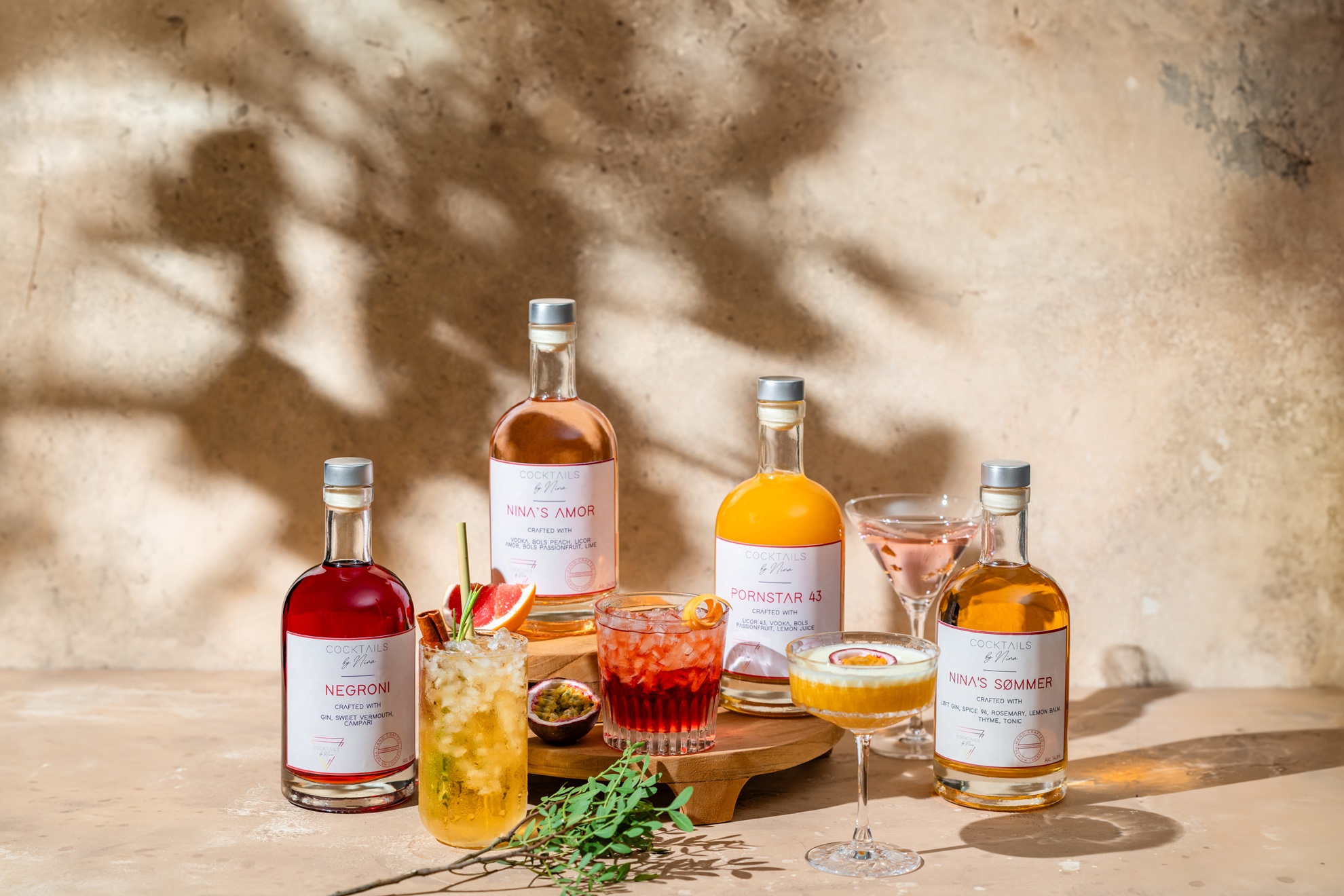
Cocktailsbynina offers a wide range of ready-to-drink cocktails and mocktails crafted with attention to aroma, taste balance, and presentation. From fresh citrus cocktails to rich, spicy combinations: each product is made with premium ingredients and ready to serve immediately. For parties and events, the cocktail boxes are a practical choice: varied flavor profiles in one package, without any hassle. Those who prefer non-alcoholic options will find the same attention to scent and taste in the non-alcoholic cocktails.
Frequently asked questions
What most determines the taste of a cocktail?
Scent accounts for up to 95% of what you perceive as taste. The tongue only registers the five basic tastes; everything beyond that comes from aroma through the nose.
How do you use herbs in a cocktail?
Clap an herb leaf between your hands before adding it. This releases essential oils without bitter aftertastes. Also use fresh herbs as a garnish on top of the cocktail.
Which cocktail pairs well with a heavy dish?
Bitter or rich cocktails such as a Negroni or whisky sour pair best with heavy dishes. Bitterness balances fatty flavors and prepares the palate for the next bite.
How does glassware affect the taste experience?
Heavy, thick glass increases the perceived quality of a cocktail. The weight and texture in hand set expectations, and expectation influences taste.
How does music influence the taste of a cocktail?
High notes enhance sweetness and freshness, low notes enhance bitterness and body. Choose music consciously if you want to emphasize a specific flavor profile with a cocktail or dinner.