Not every cocktail tastes best ice-cold. That's perhaps the most important thing to know about what is the perfect serving temperature for cocktails. Temperature determines how aromas are released, how sweet or bitter a drink tastes, and even how the alcohol is perceived on your palate. An añejo tequila served as cold as a frozen daiquiri? Then you're missing precisely those notes of wood, caramel, and vanilla you paid for. This guide provides a concrete overview of the ideal serving temperatures per cocktail type, including practical tips to apply them immediately.
Table of Contents
- Key Insights
- What is the perfect serving temperature for cocktails?
- Ideal Serving Temperatures per Cocktail Type
- Storage and Preparation for Optimal Temperature
- Common Mistakes in Cocktail Serving Temperature
- Step-by-Step Plan for Perfect Serving Temperature
- My Take on Temperature in the Cocktail World
- Ready-to-Drink Cocktails at the Right Temperature
- FAQ
Key Insights
| Point | Details |
|---|---|
| No Universal Temperature | The best temperature for cocktails depends on the type of drink and the desired flavor experience. |
| Frozen and Shaken Cocktails | Serve ice-cold cocktails around 0 to 4°C for optimal freshness and texture. |
| Premium Spirits at Room Temperature | Aged spirits such as añejo tequila taste best around 20 to 22°C to preserve complexity. |
| Glassware Matters | Chilled glassware keeps the cocktail serving temperature stable longer and enhances the aroma experience. |
| Storage Determines Quality | Store vermouth chilled and consume open bottles within a month to guarantee flavor and freshness. |
What is the perfect serving temperature for cocktails?
Temperature is not a detail. It is an ingredient. When you serve a drink too cold, volatile aromas are blocked because they simply don't have enough energy to evaporate. Serve something too warm, and alcohol and sweetness dominate, pushing subtle flavors into the background.
The science behind this is directly applicable. Cold slightly dampens bitterness and sweetness, bringing out freshness more. Warmth enhances aromas, but also the alcoholic bite. This explains why temperature control is essential for taste experience and aroma retention in cocktails.
Effect on spirits versus mixers
Spirits and mixers react differently to temperature. A young, sharp rum becomes more pleasant when lightly chilled, as cooling softens the harsh alcoholic edges. An old rum or cognac at 10°C tastes flat. Its complexity is locked in molecules that are only released at higher temperatures.
Syrups and fruit juices lose their expressiveness at too low a temperature. They then taste less sweet and less fresh, which disrupts the balance of your cocktail. Store your syrups properly before use, as storage temperature also affects the quality of the final result.
The role of ice and glassware
Ice is an ingredient, not a filler. Incorrect ice usage dilutes the cocktail and disrupts the serving temperature. Large ice cubes melt slower, cool more effectively, and dilute less quickly than crushed ice or broken ice.
Glassware plays an underestimated role. Different glass shapes influence both aroma release and temperature retention. A martini glass quickly dissipates heat through its wide surface. A thick-walled rocks glass holds temperature much longer. Always chill your glass if you're serving a cold cocktail.
Pro-tip: Put glasses in the freezer for ten minutes before use or fill them with ice water while preparing the cocktail. This simple trick keeps your cocktail at the right temperature for minutes longer.
Ideal Serving Temperatures per Cocktail Type
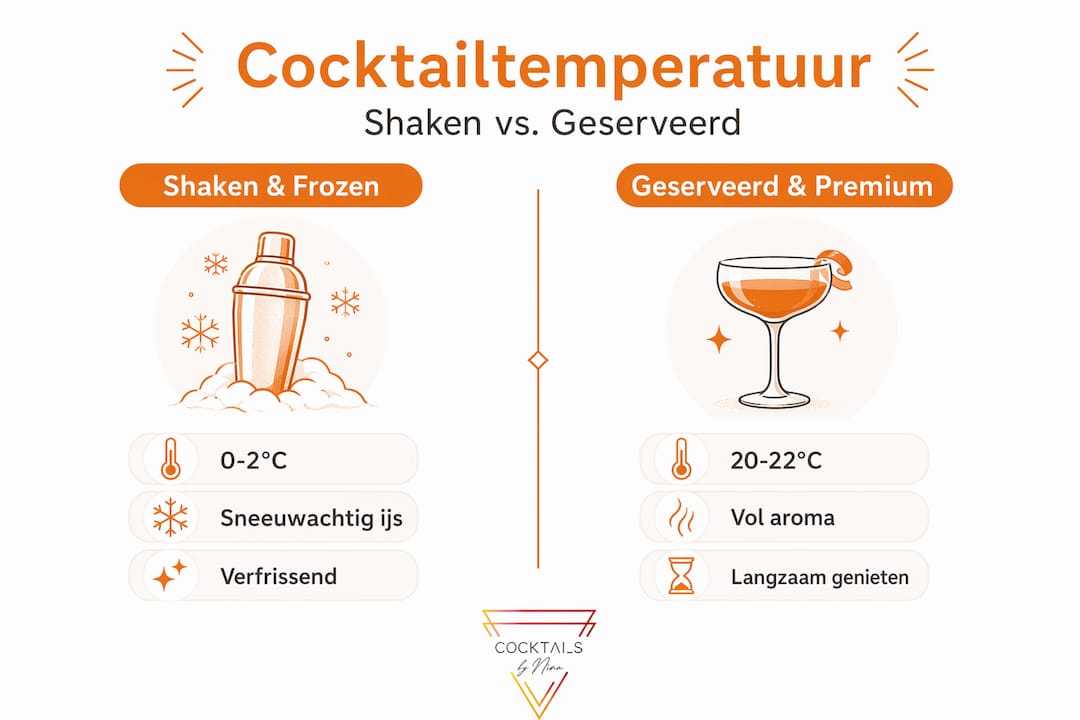
Cocktails taste best between 4 and 8°C, depending on ingredients and style. But that's a guideline, not a law. The table below gives you a practical overview of ideal serving temperatures per category.
| Cocktail Type | Ideal Temperature | Examples |
|---|---|---|
| Frozen Cocktails | 0 to 2°C | Frozen margarita, piña colada slushie |
| Shaken Cocktails | 2 to 4°C | Daiquiri, cosmopolitan, gimlet |
| Stirred Cocktails | 4 to 8°C | Martini, Manhattan, negroni |
| Cocktails with Vermouth | 4 to 8°C | Martini, Americano, Aperol spritz |
| Shots | 5 to 10°C | Tequila shot, vodka shot |
| Premium Spirits, Neat | 18 to 22°C | Añejo tequila, single malt whisky |
| On the Rocks | 8 to 12°C | Bourbon, mezcal, rum |
Ice-cold cocktails: frozen and shaken
Frozen cocktails like a frozen margarita are served almost frozen, around 0 to 2°C. The texture is part of the experience here. Shaken cocktails like a daiquiri or cosmopolitan are served between 2 and 4°C: cold enough to be refreshing, but not so cold that citrus aromas disappear.
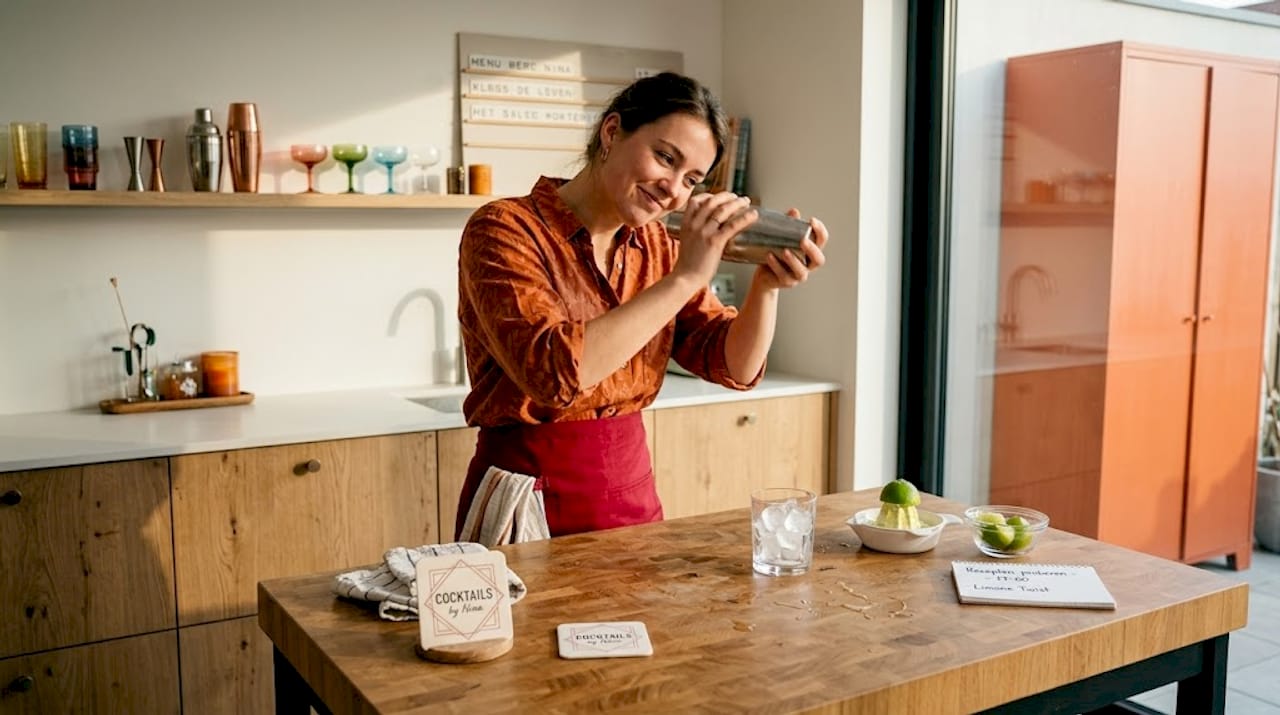
Shaking itself does a lot of the work. A well-shaken cocktail cools down to below 5°C while simultaneously being diluted to the right balance. Twelve to fifteen seconds of shaking is enough. Shaking longer dilutes too much and makes the cocktail watery.
Vermouth and complex bitters
Vermouth deserves more respect than it often gets. The Vermouth di Torino seal emphasizes the quality and complexity of good vermouth, and that complexity requires a specific approach. Cocktails with vermouth as a base taste best lightly chilled, between 4 and 8°C. Too cold, and the herbs and botanicals won't come into their own.
A stirred cocktail like a martini or Manhattan is stirred in a mixing glass with ice, not shaken. This preserves the clear texture and a slightly higher serving temperature than a shaken cocktail, exactly what this style needs.
Premium spirits: room temperature wins
This is where most mistakes happen. Room temperature for añejo tequila is defined as 68 to 72°F, or 20 to 22°C. At that temperature, aromas of wood, caramel, and vanilla are released, which completely disappear when chilled. Intense cooling dampens subtle aromas in aged spirits and precisely removes the complexity for which someone chooses a premium bottle.
The same applies to aged rum, añejo mezcal, and single malt whiskey. Always serve these drinks at room temperature or at most lightly chilled with one large ice cube. There is no universal serving temperature: chilling works for young spirits, room temperature emphasizes the complexity of older varieties.
Pro-tip: Never buy a good añejo tequila and serve it ice-cold as a shot. Pour it into a good glass, let it breathe, and experience the difference. You're paying for the aging, not for the alcohol kick.
Storage and preparation for optimal temperature
Good serving temperature doesn't start at the glass. It starts with how you store ingredients and how you organize your workflow for serving.
-
Always store vermouth in the refrigerator. Consume open bottles of vermouth within a month. Storage at room temperature accelerates oxidation and significantly alters the taste. Mark the opening date on the bottle.
-
Always chill mixers and syrups after opening. Fruit juices, tonic, and homemade syrups oxidize quickly at room temperature. Cold storage extends shelf life and maintains the fresh taste you need for a balanced cocktail.
-
Freeze your glasses or chill them before use. Place coupe glasses and martini glasses in the freezer for at least ten minutes. Fill rocks glasses with ice water just before use and discard it just before serving the cocktail.
-
Prepare ice cubes by size. Use large ice cubes for on the rocks drinks, standard ice cubes for shaken and stirred cocktails, and crushed ice only when the recipe specifically calls for it. Small ice pieces melt faster and dilute your cocktail significantly.
-
Keep ready-to-drink cocktails chilled until serving. If you're preparing batches for a party, store them in a chilled pitcher or bottle in the refrigerator. Only take them out at the last moment.
-
Separate warm and cold ingredients in your preparation. Add syrups directly from the refrigerator, not after they've sat on the counter for an hour. Those few extra degrees of warmth noticeably change the final drinking temperature.
Common Mistakes in Cocktail Serving Temperature
Knowledge of cocktail serving temperature only helps if you also know what to avoid. These are the most common mistakes, even among experienced bartenders.
-
Wanting to serve everything ice-cold. The assumption that colder is always better causes premium spirits to lose their character. A well-aged bourbon or añejo tequila tastes simply bland at 4°C.
-
Using too much or too quick ice. More ice cools faster, but also melts faster when too much surface area comes into contact with the warm liquid. The result: a watered-down cocktail after five minutes. Use less, larger ice.
-
Ignoring glassware. A cocktail served in a warm glass that just came out of the cupboard will lose a significant portion of its coolness after just one minute. The choice of glass genuinely contributes to how temperature affects the cocktail experience.
-
Storing vermouth like a regular bottle. Vermouth is a fortified wine and behaves as such. Unchilled vermouth changes flavor within a week of opening. This sabotages any martini or negroni you make afterwards.
-
Leaving syrups at room temperature. Homemade and commercial syrups quickly lose their fresh sweetness outside the refrigerator. A warm syrup in a chilled cocktail immediately raises the final temperature and disrupts the flavor balance.
Step-by-Step Plan for Perfect Serving Temperature
The ideal temperature for cocktails is achieved through preparation, not improvisation. This step-by-step plan gives you structure, whether you're hosting a party at home or working professionally behind the bar.
-
Determine which cocktails you are serving. Distinguish between frozen, shaken, stirred, and neat cocktails. Each category requires a different approach.
-
Prepare refrigerator and freezer. Place glasses in the freezer an hour before serving. Chill ingredients such as vermouth, mixers, and ready-to-drink cocktails at 4 to 8°C in the refrigerator.
-
Have ice ready. Ensure you have enough large ice cubes. Use them only when the recipe calls for it, not as a standard addition to every cocktail.
-
Chill the shaker or mixing glass before use. Add a little ice to your shaker, shake briefly, and discard it. That chilled shaker will make your cocktail colder faster and more evenly.
-
Serve immediately after preparation. Every minute a cocktail sits, it loses temperature or gets diluted by melting ice. Prepare and serve as closely together as possible.
-
Adjust to personal preference without overdoing it. Someone who prefers their martini slightly warmer? Less stirring time or less ice in the mixing glass. But stay within the range of the ideal serving temperature, otherwise you'll lose the flavor balance of the recipe.
Pro-tip: Use a cocktail thermometer to measure once at which point in your shaking time you reach the desired final temperature. Remember that time and use it as a standard for that recipe from now on. It gives you consistency without having to guess every time.
My Take on Temperature in the Cocktail World
I am convinced that temperature management is the most underestimated part of good bartending. You can buy the most expensive spirits, use the best syrups, and follow a perfect recipe. But if you ignore the serving temperature, you negate all that work.
What I've learned myself: the difference between a cocktail at 12°C and 4°C is palpable for most people, but they can't name it. They say the drink tastes "better" or "rounder" without knowing why. That's precisely the magic of correct temperature. It works invisibly.
What strikes me in the industry is that many bartenders spend a lot of time on techniques, recipes, and presentation, but leave the refrigerator at the wrong temperature or vermouth open for weeks at room temperature. That undermines everything they do afterwards.
My unconventional advice: don't start your next session with a new recipe, but with a thermometer. Measure the final temperature of your last three cocktails. Chances are you'll find a difference of five degrees or more between what you thought you were serving and what was actually in the glass. That measurement will change your approach more than any new ingredient.
— Ruud
Ready-to-Drink Cocktails at the Right Temperature
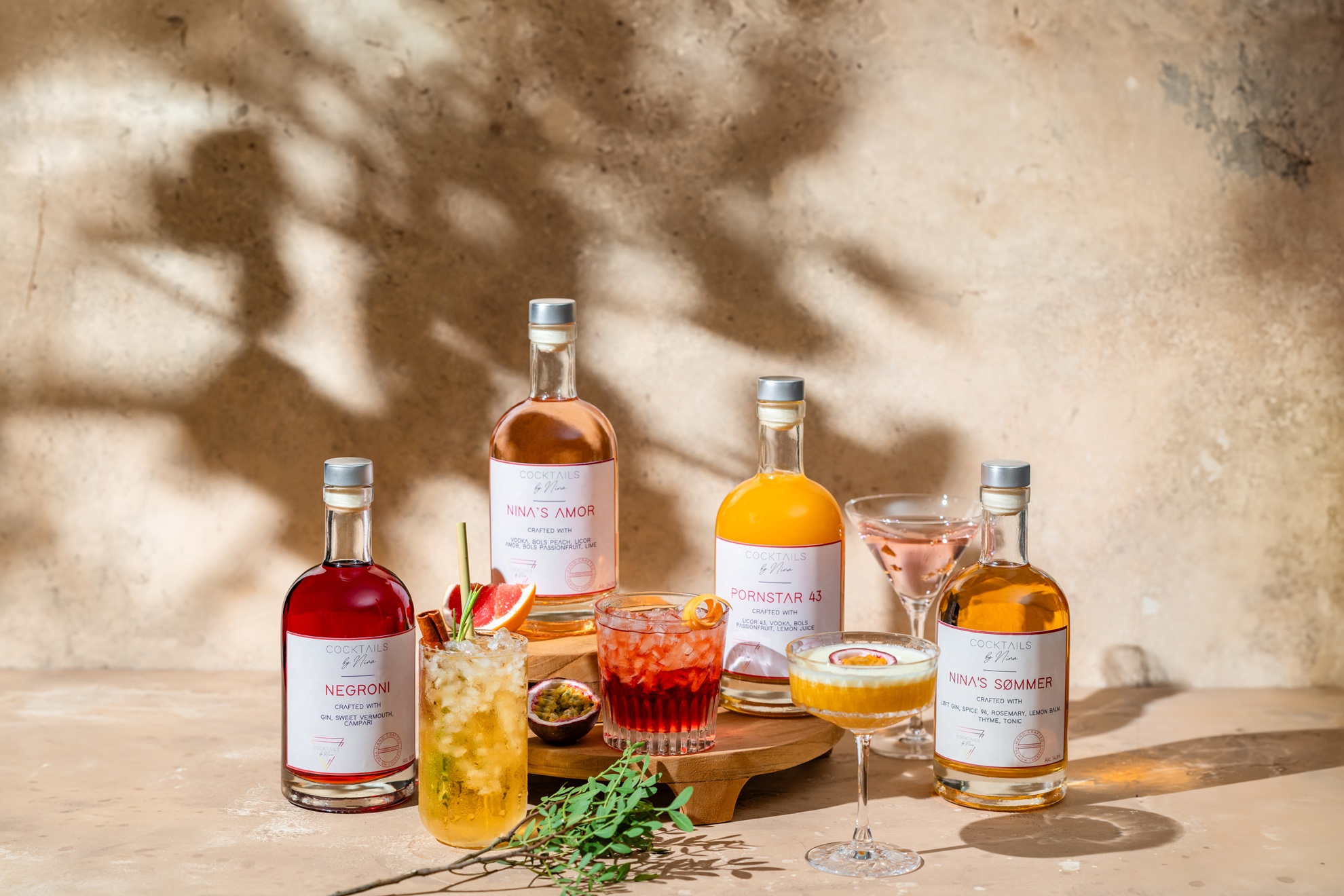
If you understand the theory but don't always have time for perfect temperature control, Cocktailsbynina offers a direct solution. Their ready-to-drink cocktails and mocktails are made with premium ingredients and delivered chilled, so you can serve them directly at the right temperature. No hassle with mixing, no risk of wrong temperatures.
For those who want to surprise guests or organize a party without standing behind the bar, the cocktail box with four pieces is an excellent choice. Store the boxes in the refrigerator until serving and enjoy bar-quality cocktails that taste exactly as intended. View the full range on Cocktailsbynina for more inspiration.
FAQ
What is the ideal serving temperature for cocktails?
The best temperature for cocktails is between 4 and 8°C for most shaken and stirred cocktails. Frozen cocktails are served around 0 to 2°C, while premium spirits neat taste better at room temperature of 20 to 22°C.
Should tequila always be served cold?
No. Añejo tequila tastes best at room temperature of 20 to 22°C, allowing aromas of wood, caramel, and vanilla to fully develop. Young tequila can be served lightly chilled to soften its sharpness.
How long does vermouth last after opening?
Open bottles of vermouth should be stored in the refrigerator and preferably consumed within a month. Storage at room temperature accelerates oxidation and impairs the taste.
Why is glassware important for serving temperature?
Glass shape and material affect both how quickly a cocktail warms up and how aromas are released. A pre-chilled glass keeps the cocktail serving temperature significantly more stable than a room-temperature glass.
What happens if ice melts too quickly in a cocktail?
Ice melting too quickly dilutes the cocktail and disrupts its flavor balance. Use large ice cubes that melt slower and adjust the amount of ice to the type of cocktail you are serving.
Recommendation
- Shots and Drinks: The Complete Guide to Convenience and Quality – Cocktails by Nina
- What are ready-to-drink cocktails: the complete guide – Cocktails by Nina
- Essential cocktail terms: your guide to clear choices – Cocktails by Nina
- Spirits and mixers: the basis for premium cocktails at home – Cocktails by Nina