An aperitif cocktail is a light, refreshing drink enjoyed before a meal to stimulate the appetite. The characteristics of aperitif cocktails revolve around four elements: bitterness, acidity, sweetness, and texture. Classics like the Negroni, Aperol Spritz, and Americano are not accidental. They are built on a flavor balance that activates digestion without satiating you. Whether you're hosting an event or simply want to enjoy a stylish pre-dinner moment at home, understanding the characteristics of aperitif cocktails will always help you make the right choice.
1. What exactly are aperitif cocktails?
An aperitif cocktail is, by definition, a drink served before a meal with the aim of stimulating the appetite. The word "aperitif" comes from the Latin aperire, meaning "to open." The drink literally opens the stomach for what is to come.
Aperitif cocktails are light drinks with a moderate alcohol content and no extreme sweetness. They are deliberately composed differently from digestifs, which are drunk after a meal. An aperitif does not satiate; it stimulates.
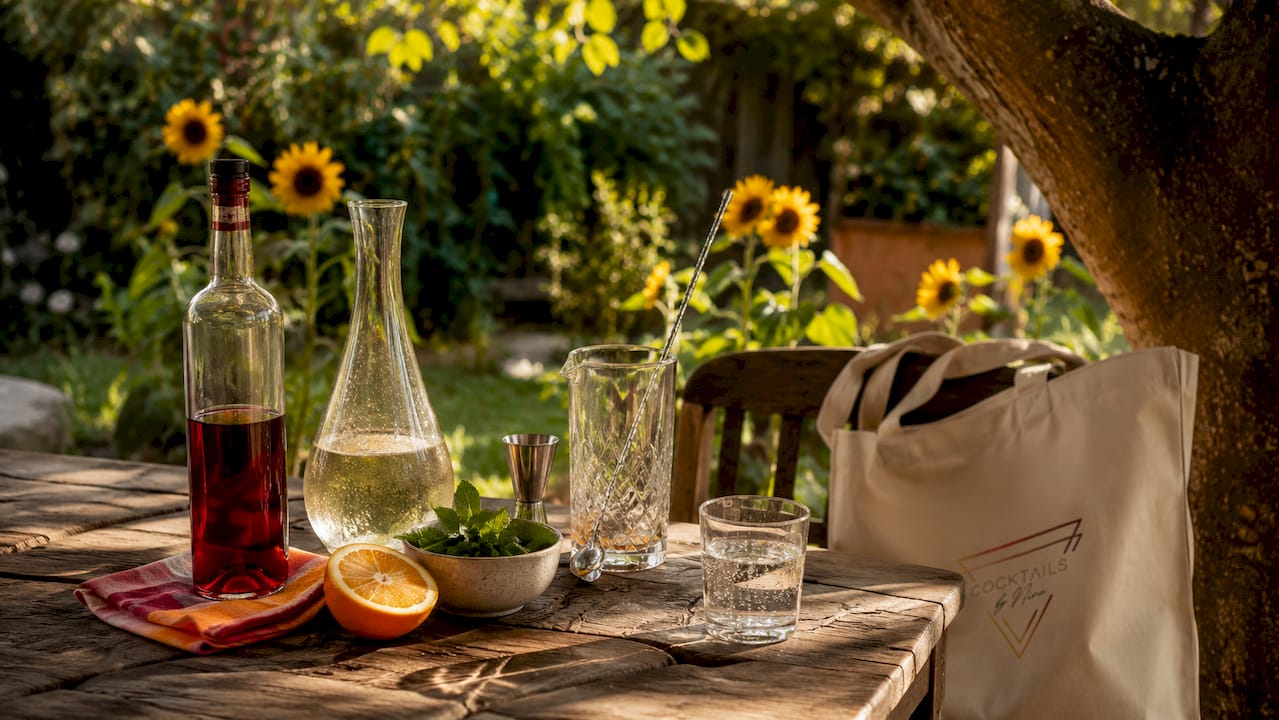
The most commonly used basic ingredients are vermouth, Campari, prosecco, and sparkling water. These products provide the bittersweet and herbal notes characteristic of the genre. Gin, Aperol, and elderflower liqueur are often added. Read more about vermouth and Campari as a base for premium cocktails at home.
2. The four flavor characteristics of aperitif cocktails
The four key elements of an aperitif cocktail are acidity, sweetness, bitterness, and texture. Each element has a function. Together, they determine whether a cocktail stimulates or suppresses the appetite.
- Bitternees stimulates saliva production and activates digestion. Campari and Aperol are the best-known sources of bitterness in aperitif cocktails.
- Acidity comes from lime or lemon and provides freshness. Acidity cuts through rich flavors and keeps the drink light in character.
- Sweetness balances bitterness. Too much sweetness makes a cocktail heavy and satiating. Too little makes it inaccessible.
- Texture determines how the drink feels in the mouth. Sparkling water and prosecco give an airy, lively texture that enhances drinking pleasure.
An Aperol Spritz combines all four elements in a mild profile. A Negroni sharpens the contrast between bitterness and sweetness. Both are effective aperitifs, but for different audiences and atmospheres.
Pro-tip: Use large, clear ice cubes instead of small ones. Large clear ice slows down dilution and preserves aromas longer. Small ice cubes melt quickly and make your cocktail watery within ten minutes.
3. Classic aperitif cocktails: characteristics and ingredients
The list of classic cocktails suitable for aperitifs is shorter than you might think. Six cocktails dominate the category worldwide. Each has its own flavor profile and social context.
| Cocktail | Main Ingredients | Flavor Profile | Alcohol Content |
|---|---|---|---|
| Americano | Campari, sweet vermouth, sparkling water | Lightly bitter, herbal | Low |
| Aperol Spritz | Aperol, prosecco, sparkling water | Mild bittersweet, fresh | Low |
| Negroni | Gin, sweet vermouth, Campari | Strong bittersweet | Medium |
| Hugo | Prosecco, elderflower, mint, sparkling water | Fruity, floral, fresh | Low |
| Martini | Gin or vodka, dry vermouth | Dry, elegant | Medium |
| Campari Spritz | Campari, prosecco, sparkling water | Full-bodied, bittersweet | Low to medium |
The Americano is the lightest option on the list. Campari and sweet vermouth provide bitterness and herbal notes, while sparkling water makes it approachable. This is the cocktail for those who don't prefer strong flavors but still want a true aperitif.
The Aperol Spritz is the most popular aperitif worldwide. The combination of Aperol, prosecco, and sparkling water gives a mild bittersweet taste with light orange aromas. Its low alcohol content makes it suitable for long social evenings.
The Negroni is the most assertive choice. Gin, sweet vermouth, and Campari in equal parts create a powerful, complex profile. This is not a cocktail for beginners, but for those who appreciate depth.
The Hugo is the freshest option. Prosecco, elderflower liqueur, mint, and sparkling water make it floral and light. It's popular in Northern Italy and Austria and is gaining traction in the Netherlands.
The Martini is the most elegant choice. Dry vermouth and gin or vodka provide a crisp, dry profile. Serve it ice-cold in a chilled coupe glass for maximum impact.
The Campari Spritz is less known than the Aperol Spritz but has a fuller flavor. Campari is more bitter than Aperol. This makes the Campari Spritz a better choice with richer snacks.
4. The cultural context of the aperitif moment
The aperitif moment is not a happy hour. It's a ritual that supports conversation and introduces the meal. This nuance makes a big difference in how you organize it and which cocktails you choose.
In Italy, the aperitivo takes place between 5:30 PM and 8:00 PM. In Italy, it costs €6–€12, including snacks, known as stuzzichini. Small olives, nuts, bruschetta, and cheese cubes are part of it. The snacks are deliberately light so that the appetite doesn't disappear but actually grows.
Cultural differences in aperitif consumption are significant. In France, people drink Gin & Tonic as an aperitif before the meal. In Spain, that same Gin & Tonic is a drink after the meal. This illustrates that the function of a cocktail strongly depends on local culture.
For organizing an aperitif event, there are four practical guidelines:
- Choose cocktails with a low to moderate alcohol content. Guests should still be able to enjoy the dinner that follows. One Negroni is fine as the only aperitif. Three Negronis are not.
- Match the snacks to the cocktail choice. Bitter cocktails like the Negroni or Americano pair well with fatty, salty snacks. Fresh cocktails like the Hugo pair well with light, spicy snacks.
- Keep the atmosphere relaxed and social. The aperitif culture is about slow socializing with friends. No rush, no noise. Soft music, comfortable seating, and small tables work better than a standing bar.
- Offer a non-alcoholic option. Not everyone drinks alcohol. A mocktail with the same flavor characteristics (bitter, fresh, light) ensures that everyone can participate in the ritual.
5. How to serve aperitif cocktails optimally
The presentation of an aperitif cocktail is just as important as its taste. The right glass enhances the aromatic expression and supports the social experience. A Negroni in a rocks glass with one large ice cube looks different from the same cocktail in a plastic cup. You feel that difference.
Glassware per cocktail type
- Rocks glass (Old Fashioned glass): for Negroni, Americano, and other short cocktails on ice.
- Wine glass or spritz glass: for Aperol Spritz, Hugo, and Campari Spritz. The large glass allows space for the bubbles and aromas.
- Coupe glass or Martini glass: for the Martini and other cocktails without ice. Chill the glass in the freezer beforehand.
- Highball glass: for longer cocktails with a lot of sparkling water or tonic.
Temperature and ice
Always serve aperitif cocktails cold. A warm Aperol Spritz loses its freshness and becomes sweet and flat. Use chilled glassware when possible. Large clear ice cubes are the best choice for cocktails on ice. They cool quickly and melt slowly. Small ice cubes also cool quickly but melt two to three times faster, diluting the cocktail.
Pairing with snacks
Bitter cocktails like the Negroni cut through fatty and salty snacks. This is no coincidence. The bitterness neutralizes the greasiness and prepares the mouth for the next bite. Pair a Negroni or Americano with parmesan, olives, or charcuterie. Pair a Hugo or Aperol Spritz with lighter snacks like cucumber with cream cheese or light crackers.
Pro-tip: Keep the alcohol content of your aperitif cocktail below 15% ABV. Higher percentages satiate the senses and reduce appetite instead of stimulating it. A good flavor balance between sour, sweet, and bitter is the key to a successful aperitif.
Read more about cocktail etiquette for events if you want to create a stylish setting.
6. Aperitif cocktails with spirits: when does it work?
Aperitif cocktails with spirits are possible, but require more attention to balance. Gin in a Negroni or Martini works because the bitterness of the other ingredients balances the alcohol content. Vodka in a Martini works because the dry vermouth tempers the sharpness.
The rule of thumb is simple: a spirit in an aperitif cocktail should never play the main role. It is a flavor carrier, not an end in itself. A cocktail where alcohol dominates does not stimulate appetite. It dulls it.
Gin is the most commonly used spirit in aperitif cocktails. Gin has botanical aromas of juniper, coriander, and lemon that pair well with the bittersweet notes of vermouth and Campari. Vodka is more neutral and works better in drier, more elegant cocktails like the Martini. Prosecco and sparkling water are not technically spirits, but they are the backbone of most light aperitifs.
Do you want to know more about the basic principles of cocktail ingredients? Then it's wise to first understand the core concepts before experimenting with stronger variations.
Key insights
Aperitif cocktails are characterized by a deliberate flavor balance of bitterness, acidity, and light sweetness that opens the appetite without satiating it.
| Point | Details |
|---|---|
| Four flavor elements | Bitterness, acidity, sweetness, and texture together determine whether a cocktail effectively works as an aperitif. |
| Classic choices | Negroni, Aperol Spritz, Americano, and Hugo are the most reliable aperitifs for events and home use. |
| Ice quality matters | Large clear ice cubes cool without diluting and preserve the aromas of your cocktail longer. |
| Cultural context | The aperitif moment is a social ritual, not a quick drink. Match the cocktail choice to the atmosphere and menu. |
| Snacks and pairing | Bitter cocktails pair with fatty snacks. Fresh cocktails pair with light, spicy snacks. |
Why the Negroni has become my go-to aperitif
by Ruud
For years, I thought an aperitif was simply the lightest cocktail on the menu. Ordering an Aperol Spritz felt safe and social. Until I was served a Negroni with a piece of parmesan and a handful of olives in a small bar in Bologna. That was the moment I truly understood what an aperitif does.
The Negroni isn't light. But it is precise. The bitterness of Campari, the herbaceousness of sweet vermouth, and the botanical sharpness of gin work together like a key that unlocks the appetite. After one sip, I wanted to eat. Not drink. That's the difference between a cocktail that works as an aperitif and one that is only so in name.
What I often observe at events is that people too quickly opt for sweet, light options, fearing guests won't appreciate bitterness. That's a mistake. A well-explained aperitif with the right snacks is always appreciated. Guests don't need to know what Campari is. They just need to feel their hunger grow.
My advice for home use: start with an Americano if your guests aren't used to bitter flavors. From there, build up to a Negroni or Campari Spritz. And never forget the snacks. An aperitif without stuzzichini is like a movie without sound. Technically present, but something essential is missing.
— Ruud
Ready-to-drink aperitif cocktails from Cocktailsbynina
You don't have to be a bartender to impress at home or an event with the perfect aperitif. Cocktailsbynina offers bar-quality ready-to-drink cocktails and mocktails, ready to serve without mixing or measuring.
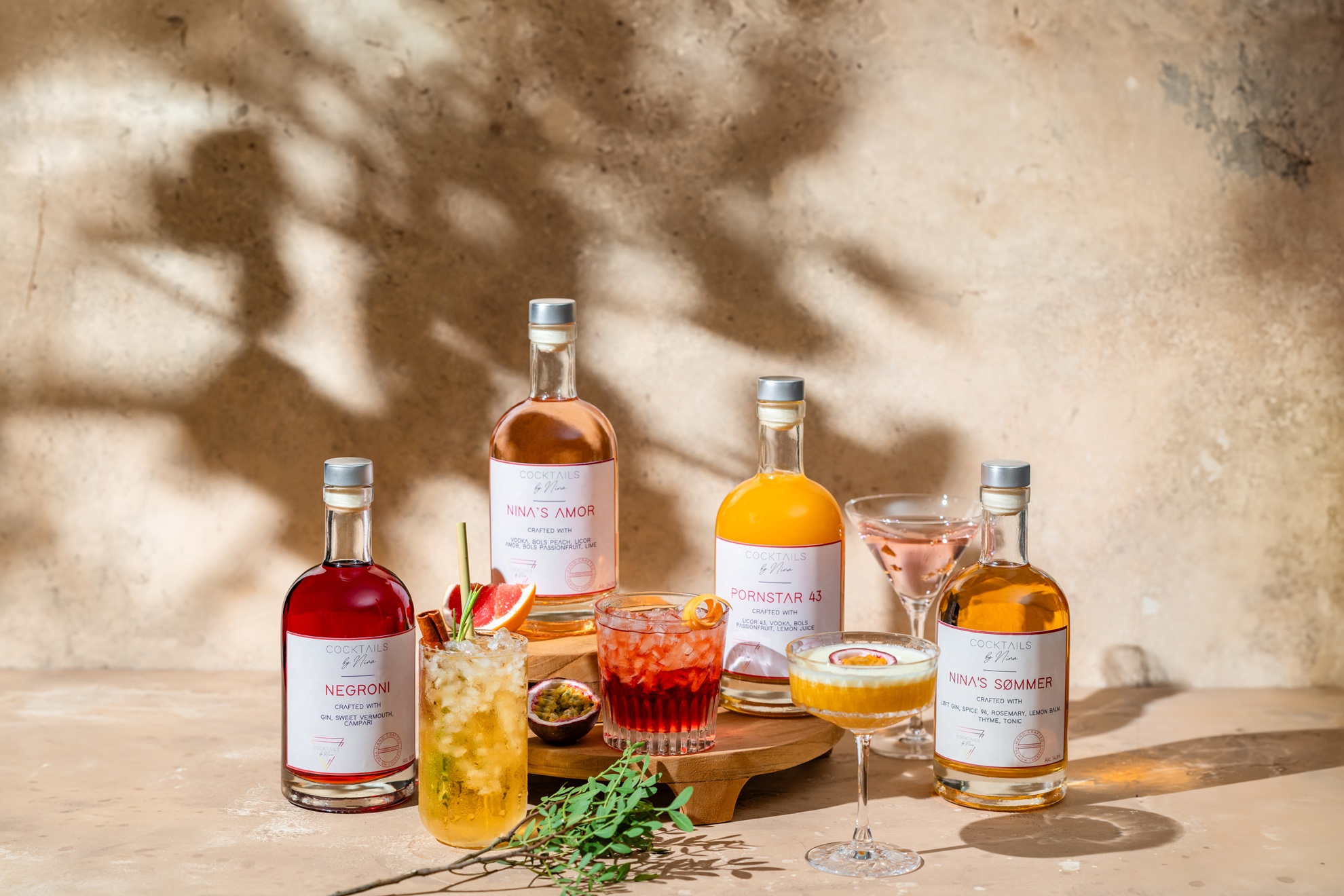
Whether you're hosting an intimate dinner or a large party, Cocktailsbynina's cocktail boxes deliver the flavor balance of a professional bar, right to your home. Do you also want to cater to guests who don't drink alcohol? Cocktailsbynina's non-alcoholic aperitif mocktails are crafted with the same attention to bitter, fresh, and light notes. This way, everyone can enjoy the ritual.
Frequently asked questions
What are the characteristics of an aperitif cocktail?
An aperitif cocktail is light, fresh, and bittersweet in taste, with a low to moderate alcohol content. The four flavor elements are bitterness, acidity, sweetness, and texture.
Which cocktails are classic aperitifs?
The most classic aperitifs are the Negroni, Aperol Spritz, Americano, Hugo, and Martini. Each has its own flavor profile that suits a specific atmosphere or occasion.
How do you pair aperitif cocktails with snacks?
Bitter cocktails like the Negroni and Americano pair with fatty or salty snacks such as olives, parmesan, or charcuterie. Fresh cocktails like the Hugo pair better with light snacks.
What is the difference between an aperitif and a digestif?
An aperitif is drunk before a meal to stimulate the appetite. A digestif is drunk after a meal to aid digestion. Aperol Spritz is an aperitif. Amaretto is a digestif.
Can you make an aperitif cocktail non-alcoholic?
Yes. A non-alcoholic aperitif cocktail contains the same flavor elements: bitter, fresh, and light. Use non-alcoholic vermouth, bitter lemonade, or elderflower lemonade as a base for a mocktail with the same effect.