A list of premium ingredients consists of carefully selected, high-quality, and exclusive products that transform your cocktails from ordinary to unforgettable. Think of saffron from Iran, fleur de sel from the Atlantic coast, and extra virgin olive oil with certified origin. These ingredients stand out due to their depth of flavor, rarity, and the story behind them. As a foodie or cocktail enthusiast in the Netherlands, you want to know which top-quality ingredients make a difference and how to recognize them. This guide gives you exactly that, with concrete applications for your next creation.
What types of premium ingredients are essential for cocktails?
Premium cooking ingredients fall into four main categories, each contributing uniquely to a cocktail's taste and experience.
Premium spirits and distillates form the base. Think of single malt whisky, artisanal gin with botanicals like yuzu or lavender, and aged rum with a distinct character. The choice of spirits and mixers largely determines your cocktail's flavor profile. You can't mask a cheap base spirit with the best syrup in the world.
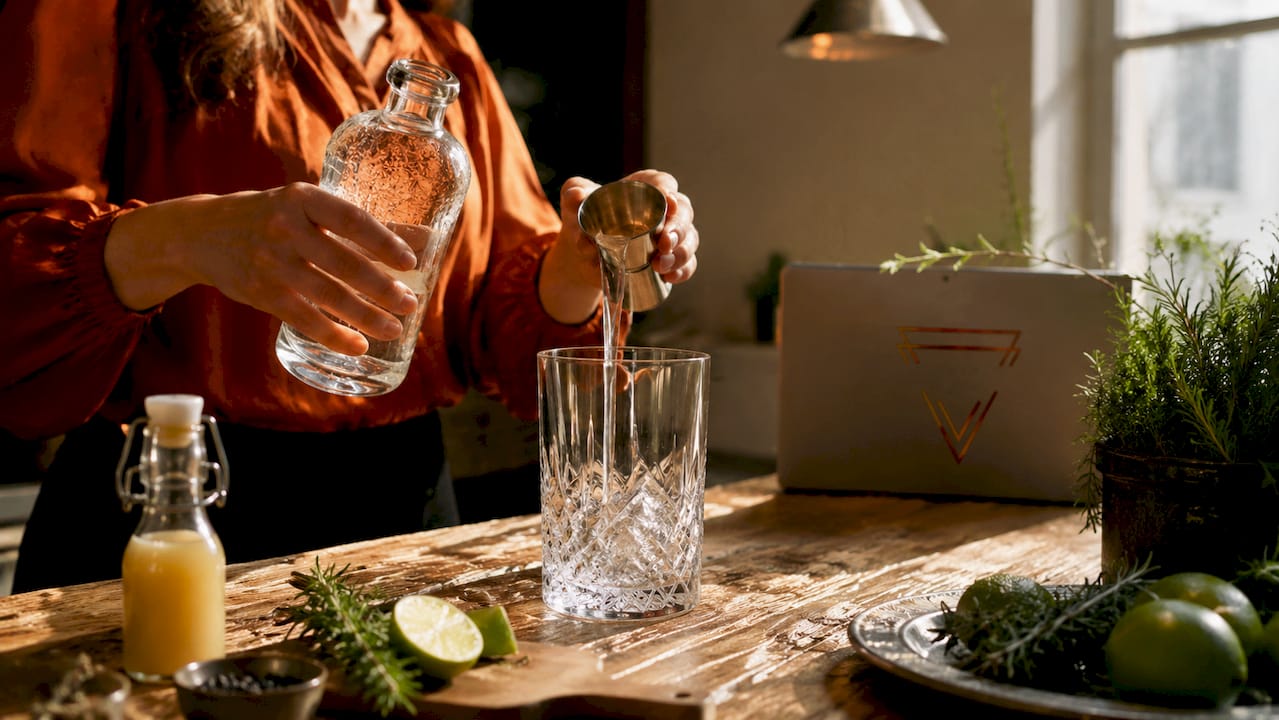
Exclusive mixers and syrups are the second category. Handmade syrups of hibiscus, violet, or bergamot give a cocktail a dimension that standard sugar syrup never offers. The role of syrups in cocktails is greater than many home bartenders realize. A good syrup contributes acidity, sweetness, and aroma simultaneously.
Spices and herbs with a luxurious character are the third pillar. Saffron, cardamom, smoked paprika, and Sichuan pepper are among the most used premium spices in the cocktail world. Organic herbs do not automatically contain more vitamins but offer advantages due to the absence of synthetic pesticides. This is relevant if you incorporate herbs directly into your drink.
Fresh and rare fruit and plant-based additions complete the list. Yuzu, tamarind, rambutan, and calamansi are examples of exotic fruits that immediately give a cocktail an international character. Fresh ingredients quickly lose quality, so timing and preservation are crucial.
Pro-tip: Build your ingredient cabinet in layers: start with one premium spirit, then add a handmade syrup, and only then work with exotic spices. This way, you truly learn the contribution of each ingredient.
1. Saffron
Saffron is the most expensive ingredient in the world, costing between 3,000 and 10,000 USD per kilogram, because one kilogram requires up to 150,000 hand-picked flowers. That price is not a marketing trick. It's a direct reflection of the labor-intensive harvesting process. In cocktails, you use saffron as an infusion in vodka or gin, or as saffron water in a Martini variant. The taste is earthy, slightly bitter, and floral all at once, with an unmistakable golden-yellow color that instantly makes any glass luxurious.
2. Fleur de sel
Fleur de sel is salt hand-harvested from the surface of salt flats in Brittany or the Camargue. It contains more minerals than regular sea salt and has a subtle, almost sweet taste. In cocktails, you use it as a finishing touch on the rim of a glass or dissolved in a salt syrup. Light and oxygen are the biggest enemies of its quality after harvesting, so always store fleur de sel in an airtight, dark container. A pinch in a Margarita or a Bloody Mary elevates the cocktail's minerality to another level.
3. Extra virgin olive oil
Extra virgin olive oil might not sound like a cocktail ingredient, but bartenders in top bars in Amsterdam and Barcelona have been using it for years. Real extra virgin olive oil is characterized by a fruity, slightly bitter taste, a clear origin statement, and packaging that blocks light and oxygen. In cocktails, it works as a fat-washing agent for a spirit, where the oil infuses the alcohol with its aromas and is then removed. The result is a velvety, savory undertone that you won't find anywhere else.
4. Yuzu
Yuzu is a Japanese citrus fruit with a flavor profile that lies between lemon, mandarin, and grapefruit. Fresh yuzu is rarely found outside Japan, but yuzu juice and yuzu kosho are available in specialized Asian stores in the Netherlands. Its acidity is higher than regular lemon, so you need less for the same effect. Yuzu works excellently in a Yuzu Gimlet or as a substitute for lemon in a classic Whisky Sour. The scent alone makes a cocktail special.
5. Cardamom
Cardamom is one of the most versatile premium spices for cocktails. Green cardamom has a fresh, camphor-like taste, while black cardamom has a smoky, earthy character. Both variants work well as an infusion in gin or as the base for a homemade cardamom syrup. Cardamom from Guatemala or India has a distinct aroma that cheaper variants cannot match. Always use whole pods and grind them just before use for maximum intensity.
6. Ceremonial-grade matcha
Matcha comes in two quality grades: ceremonial and culinary. Ceremonial matcha, from Uji in Japan, has a deep umami flavor, a vibrant green color, and a soft bitterness without a sharp aftertaste. In cocktails, you use it as a base for a Matcha Highball or mixed with sake and yuzu. Culinary matcha tastes sharp and grassy and is not suitable for drinks. The price difference is significant, but the taste fully justifies the investment.
7. Distillation-grade rose water
Rose water comes in two forms: distilled and synthetic. Distilled rose water, made from Damask roses from Bulgaria or Iran, has a subtle, genuine floral quality that synthetic variants cannot approach. In cocktails, it acts as an aroma-enhancing addition in a Lychee Martini or a Ramos Gin Fizz. Use it sparingly. Two to three milliliters per cocktail is enough. Too much rose water makes a drink soapy instead of floral.
8. Aged balsamic vinegar
Aceto Balsamico Tradizionale from Modena or Reggio Emilia ages for at least twelve years in wooden barrels and has a syrupy texture with a complex sweet-sour profile. This is not a supermarket product. The genuine version easily costs 50 euros or more for 100 milliliters. In cocktails, you use it as a finishing drop in an Old Fashioned or as the base for a balsamic shrub. The depth it adds to a cocktail is comparable to what a good wine does for a sauce.
9. Tonka bean
The tonka bean is a small, wrinkled seed from South America with a flavor that combines vanilla, almond, cinnamon, and clove. It contains coumarin, a substance that is harmful in large quantities, but in cocktails, you only use a few gratings per glass. Grate the bean directly over the glass with a fine grater, similar to how you use nutmeg. Tonka bean works particularly well in cocktails with bourbon, dark rum, or chocolate liqueur. The scent alone is an experience.
10. Handmade bitters
Bitters are the spices of the cocktail world. Angostura is the best known, but handmade bitters from small producers like Bittermens or The Bitter Truth offer flavors far beyond the standard repertoire. Think of mole bitters with cocoa and chili, celery bitters for a savory Bloody Mary, or grapefruit bitters for a refreshing Paloma. Premium bitters are concentrated, so a few drops per cocktail suffice. The investment of 15 to 25 euros per bottle lasts a long time.
Pro-tip: Make your own bitters by steeping gentian root, orange peel, and spices of your choice in high-proof alcohol for two weeks. The result is completely personalized and impressive.
How do you recognize authentic premium ingredients?
The distinction between a truly premium ingredient and an expensive-looking imitation lies in a few concrete details.
-
Certificate of origin and vintage: For extra virgin olive oil and balsamic vinegar, the vintage is a direct indicator of freshness. Quality declines immediately after harvest, so a recent year is better. For saffron, look for ISO certification and a clear statement of the country of origin, preferably Iran or Spain.
-
Protective packaging: Dark glass bottles, vacuum packaging, and airtight jars are not a luxury. They are necessary. Light and oxygen are the biggest enemies of premium ingredients after harvest.
-
Price as a signal, not a guarantee: High premium prices are driven by labor-intensive harvesting methods, not just rarity. An expensive label without origin information is a warning sign.
-
Taste test as the final verdict: A premium ingredient tastes different from its cheaper counterpart, even for an untrained palate. Buy small quantities and compare them side by side.
"Consumers in 2026 will judge premium products on a combination of ethical origin, transparency, and superior taste experience, not just on price."
Premium versus standard ingredients: what's the difference?
The benefits of premium ingredients are concretely measurable in the final result of a cocktail.
| Aspect | Premium Ingredient | Standard Alternative |
|---|---|---|
| Flavor Depth | Multiple flavor layers, complex aftertaste | One-dimensional, flat |
| Origin and Transparency | Certified, traceable, vintage stated | Anonymous, no origin info |
| Ethics and Sustainability | Sustainable cultivation, fair trade | Often large-scale, unclear |
| Price per Use | Higher purchase price, but less needed per cocktail | Lower purchase price, more needed |
| Impact on Final Result | Noticeable difference in aroma, color, and taste | Functional but not distinctive |
The price-quality ratio of premium ingredients is more favorable than it seems. Saffron costs a lot per kilo, but you only use a few threads per cocktail. The same applies to aged balsamic vinegar and tonka bean. The cost per cocktail increases by a few cents, while the experience improves exponentially. Premiumization in 2026 also requires an ethical story alongside product quality. Consumers want to know where their ingredients come from and how they are produced. That story is part of the experience.
Key insights
Premium ingredients for cocktails are not just a luxury for professionals. They are accessible to every home bartender willing to invest selectively.
| Point | Details |
|---|---|
| Quality is in origin | Choose ingredients with a traceable origin and a clear vintage. |
| Price reflects labor | Expensive ingredients like saffron are expensive due to manual labor, not just rarity. |
| Packaging determines freshness | Store premium ingredients in dark, airtight packaging to maintain quality. |
| Less is more | Premium ingredients are concentrated. Small amounts already have a big effect. |
| Ethics count | Consumers value transparency about origin and production methods as part of the experience. |
My take on premium ingredients in cocktails
For years, I've seen home bartenders focus on technique—the shaker, the ice cubes, the garnish—while the ingredient itself gets overlooked. That's the wrong order.
The biggest breakthrough in my own cocktail creations didn't come from a new technique, but from the moment I first used real fleur de sel in a Margarita. The difference wasn't subtle. It was immediate and convincing. More mineral-rich, rounder, more complex. That's what top-quality ingredients do: they make the technique more visible instead of hiding flaws.
What I've also learned: you don't have to upgrade everything at once. Start with one ingredient you already use a lot. If you regularly make a Gin Tonic, invest first in a better gin or a handmade tonic syrup. Learn what that does to your cocktail before moving on to the next ingredient. This approach yields more knowledge than a fully stocked premium cabinet you don't understand.
The trend I see among foodies and cocktail lovers in the Netherlands is positive. There is more interest in origin, craftsmanship, and the story behind an ingredient. That's precisely the mindset that turns a good cocktail into a true experience. Bar-quality at home is no longer a utopia. It's a matter of making the right choices.
— Ruud
Discover ready-to-drink cocktails with premium ingredients
Not always time to mix yourself, but still craving a bar-quality cocktail? Cocktailsbynina offers a carefully curated assortment of ready-to-drink cocktails and mocktails, all prepared with the premium ingredients discussed in this article.
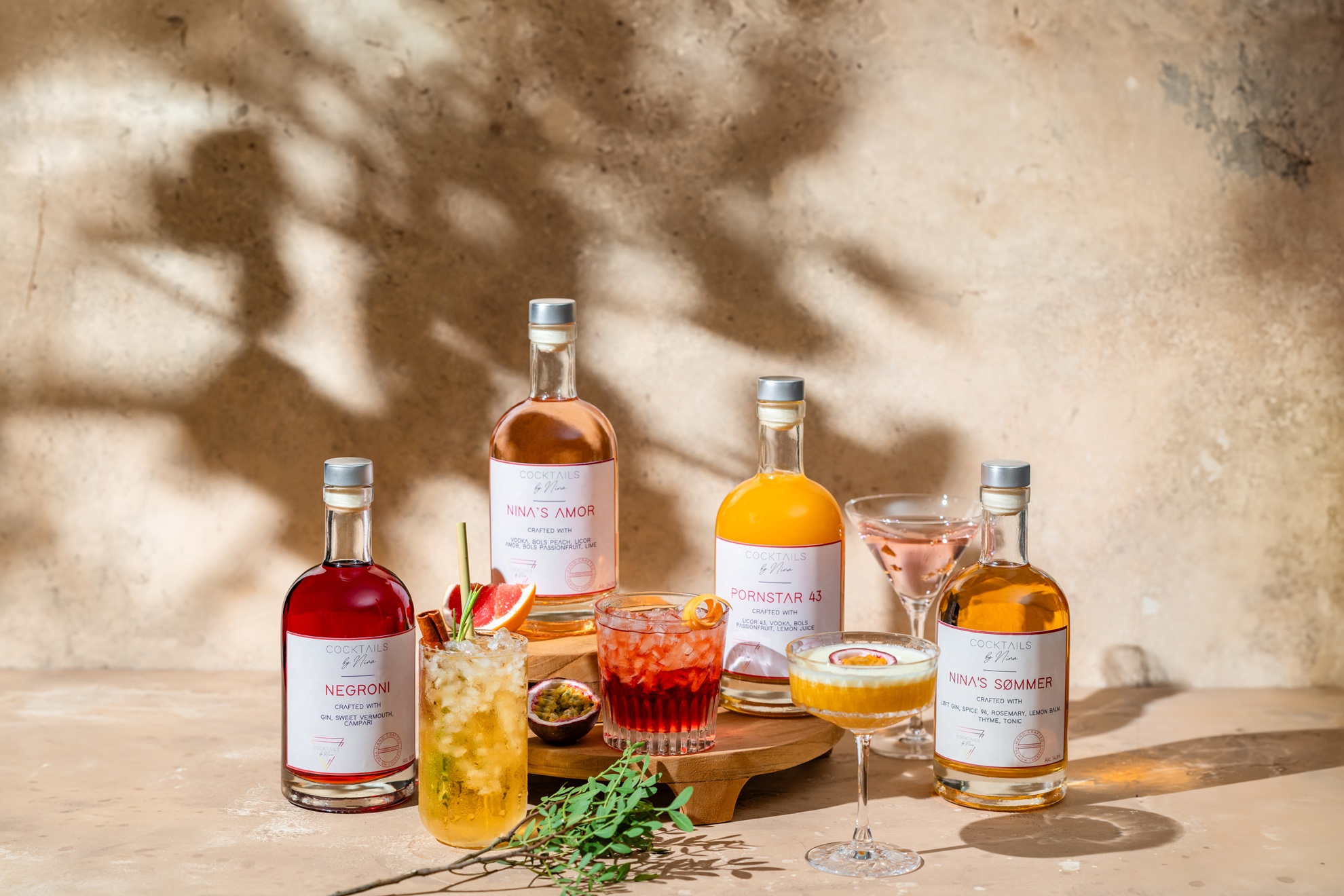
From saffron-inspired creations to cocktails with handmade syrups: the selection is broad and the quality is consistent. Order a cocktail box of 4 pieces to discover multiple flavors, or go for the ready-to-drink mocktails if you want to enjoy alcohol-free without compromising on taste. Cocktailsbynina delivers directly to your home, so you can focus on enjoying.
FAQ
What are premium ingredients for cocktails?
Premium ingredients for cocktails are products with traceable origins, superior depth of flavor, and a production process that prioritizes quality over scale. Examples include saffron, fleur de sel, ceremonial matcha, and handmade bitters.
Why are premium ingredients so expensive?
The highest prices are driven by labor-intensive harvesting methods, not just rarity. Saffron requires up to 150,000 hand-picked flowers per kilogram, which structurally keeps its price high.
How do I use premium ingredients in cocktails at home?
Use premium ingredients as a finishing touch or in small amounts as an infusion. Fleur de sel on the glass rim, a few threads of saffron in vodka, or two gratings of tonka bean over an Old Fashioned are concrete examples that yield immediate results.
Are organic herbs better for cocktails?
Organic herbs do not automatically contain more vitamins but are free from synthetic pesticides. This is relevant if you incorporate herbs directly into a drink, as you want to taste the herb's flavor itself without a chemical aftertaste.
Where can I buy premium cocktail ingredients in the Netherlands?
Specialized delicatessens, Asian supermarkets, and online platforms like Cocktailsbynina offer a wide range of premium ingredients for cocktails. When purchasing, always pay attention to the origin, harvest year, and packaging quality.