A tropical cocktail is a drink that combines one dominant sweet tropical fruit with an acidic element and an aromatic herb or spice for flavor depth. This balance is no accident. Classic combinations like pineapple-coconut and mango-passion fruit show how acidity balances sweetness. The result is a drink that immediately evokes a vacation feeling, even if you're just sitting on your couch at home. With the right ingredients and a few basic techniques, you can make bar-quality exotic cocktails without professional equipment.
What ingredients form the basis of a tropical cocktail?
The best tropical cocktails are built on a core of four elements: a sweet tropical fruit, an acidic element, an aromatic herb or spice, and a spirit as the base. Each element plays its own role. If you omit one, the drink will lack depth.
Tropical fruits as a flavor foundation
Pineapple, mango, passion fruit, and guava are the most commonly used tropical fruits in cocktail recipes. Pineapple provides a fresh, slightly tart sweetness. Mango adds creaminess. Passion fruit brings a sharp, floral note. Guava is less known but offers a deep, mellow flavor that works well with rum.
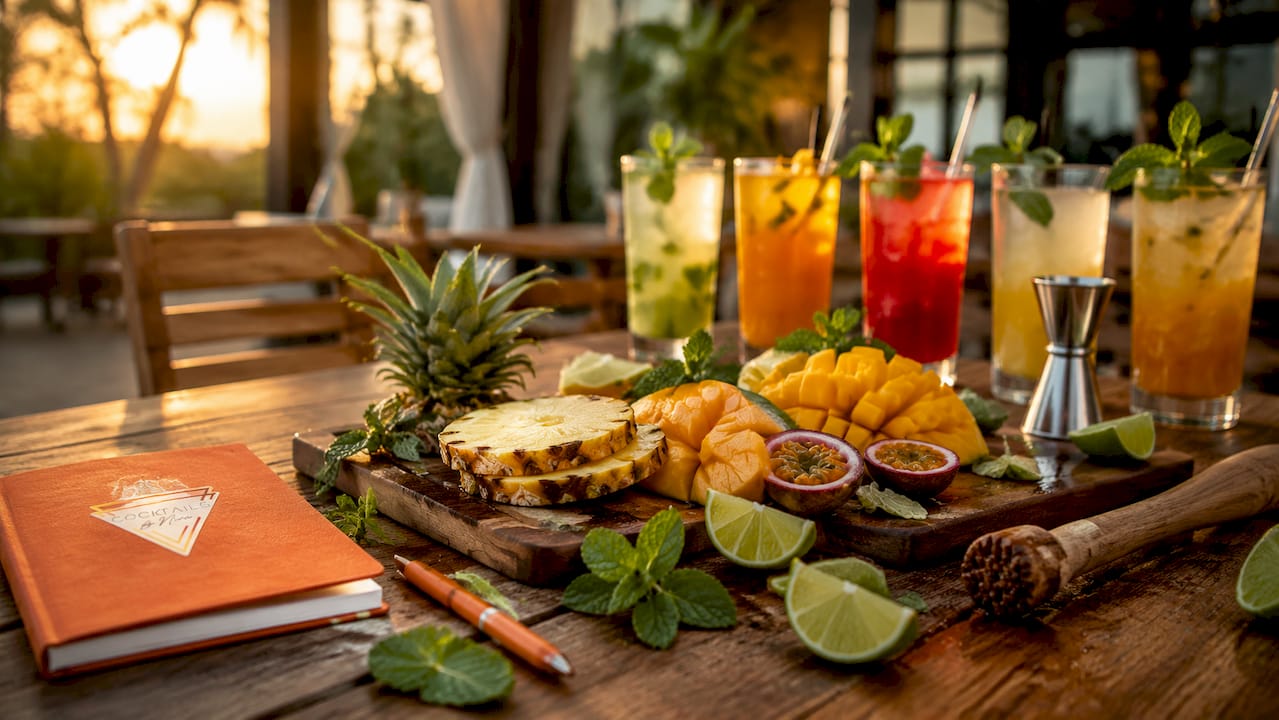
Citrus fruits like lime and lemon are essential as a counterbalance. They cut through the sweetness and make the drink refreshing. Fresh citrus makes the difference between a bar-quality cocktail and an ordinary homemade drink. Bottled lime juice works but gives a flatter flavor.
Herbs, spices, and alcohol
Mint is the most commonly used herb in tropical drinks. Basil works surprisingly well with mango and strawberry. Ginger adds warmth and a slight sharpness. Cinnamon pairs well with pineapple and coconut, adding an exotic depth.
For the alcohol base: white rum is the standard for most fruity cocktails. Coconut rum instantly adds a tropical note. Golden rum provides more body and a slightly caramel-like flavor. A good home bar should have at least white rum, various syrups, fresh citrus, and an assortment of fresh herbs.
Fresh ingredients are always better than pre-made juices and syrups. If you do use syrups, opt for versions without artificial flavors. You can read more about the role of syrups in this overview of cocktail syrups.
Pro-tip: Make a simple sugar syrup by heating equal parts sugar and water until the sugar dissolves. Add fresh ginger or mint while cooling for an instantly aromatic syrup.
What equipment do you need for tropical cocktails at home?
You don't need much for a good tropical cocktail at home, but the right tools make a noticeable difference. At minimum, a shaker, jigger, strainer, and muddler are essential for a solid home bar. Each piece of equipment has a specific function.
The four basic tools
-
Shaker. Use a cocktail shaker for drinks with citrus, fruit juice, or syrups. Shaking quickly chills the cocktail and thoroughly mixes all ingredients. Don't have a shaker? A glass jar with a lid works perfectly as an alternative for home use.
-
Jigger. A jigger is a small measuring cup, usually with 30 ml on one side and 60 ml on the other. Accurate dosing is the fastest way to get consistent results. Without a jigger, use a tablespoon as a measure: one tablespoon is approximately 15 ml.
-
Strainer. A strainer keeps ice shards and herbs out when you pour the cocktail into the glass. Without a strainer, use the lid of the shaker as a sieve, or pour through a fine mesh sieve.
-
Muddler. A muddler is a small pestle for crushing herbs and fruit. Gentle muddling is key. Muddling mint too hard will result in a bitter taste because the stems break and release unpleasant compounds.
Shaken, blended, or stirred?
Shaking gives a lighter, more refined texture. Blending with crushed ice creates a thick, frozen texture, as in a frozen Piña Colada. Stirring is only used for spirit-forward cocktails without fresh ingredients, such as a Negroni. For most tropical cocktails, shaking is the best choice.
Ice choice also affects the taste. Crushed ice dilutes the cocktail faster than ice cubes. For a Mojito, ice cubes are better because they maintain the balance longer. For a frozen cocktail, crushed ice is desired.
Pro-tip: Always shake a citrus cocktail for at least 10–15 seconds. Shaking for less time will not chill it sufficiently and won't mix the ingredients properly.
Which classic tropical cocktails can you make at home?
The most famous exotic cocktails all have a distinct flavor profile and are easy to recreate at home. Below are four classics with their key ingredients and flavor characteristics.
| Cocktail | Basic ingredients | Flavor profile |
|---|---|---|
| Piña Colada | 60 ml white rum, 90 ml pineapple juice, 30 ml coconut cream | Creamy, sweet, slightly tart |
| Mai Tai | Rum, lime juice, orgeat, orange liqueur | Fruity, nutty, complex |
| Passion Fruit Mojito | Rum, passion fruit, mint, lime juice, sparkling water | Fresh, floral, slightly tart |
| Royal Hawaiian | Gin, pineapple juice, lime juice, orgeat | Sweet, tropical, slightly spicy |
Piña Colada: the classic
Piña Colada is the official national drink of Puerto Rico. That says something about this cocktail's status. The standard recipe combines 60 ml white rum, 90 ml pineapple juice, and 30 ml coconut cream. The creaminess of coconut and the freshness of pineapple make this a perfect balance. Blend with crushed ice for the classic frozen version, or shake for a lighter variant.
Mai Tai and Royal Hawaiian
Mai Tai and Royal Hawaiian distinguish themselves through the combination of sweet tropical fruit with aromatic spices like cinnamon and almond. This layer of complexity makes them more interesting than simple fruit cocktails. Orgeat, an almond liqueur, is the secret ingredient that gives both cocktails their distinctive nutty note. Cocktailsbynina offers a ready-to-drink version as MAI-TO for those who want to experience the taste without mixing it themselves.
Passion Fruit Mojito
The passion fruit Mojito is a fresh tropical twist on the classic Cuban Mojito. Add the pulp of one passion fruit to the classic base of rum, mint, lime juice, and sparkling water. The result is a floral, slightly tart drink that works perfectly as a summery tropical beverage. Garnish with a lime slice and a sprig of mint for presentation.
Garnishes and mocktails
Garnishes make a big difference in the experience. Use pineapple slices, a cocktail umbrella, a sprig of mint, or a dried orange slice. Tropical cocktails are also easy to make alcohol-free. Replace the rum with coconut water, passion fruit juice, or an alcohol-free rum alternative. The flavor balance remains intact if you maintain the proportions.
- Use fresh mint as a garnish, not just an ingredient.
- A dried pineapple slice on the rim of the glass looks festive.
- Colorful straws and cocktail umbrellas belong on a tropical party drink list.
- Serve in a tall glass or a Mai Tai glass for the right ambiance.
How to create your own tropical cocktail recipes?
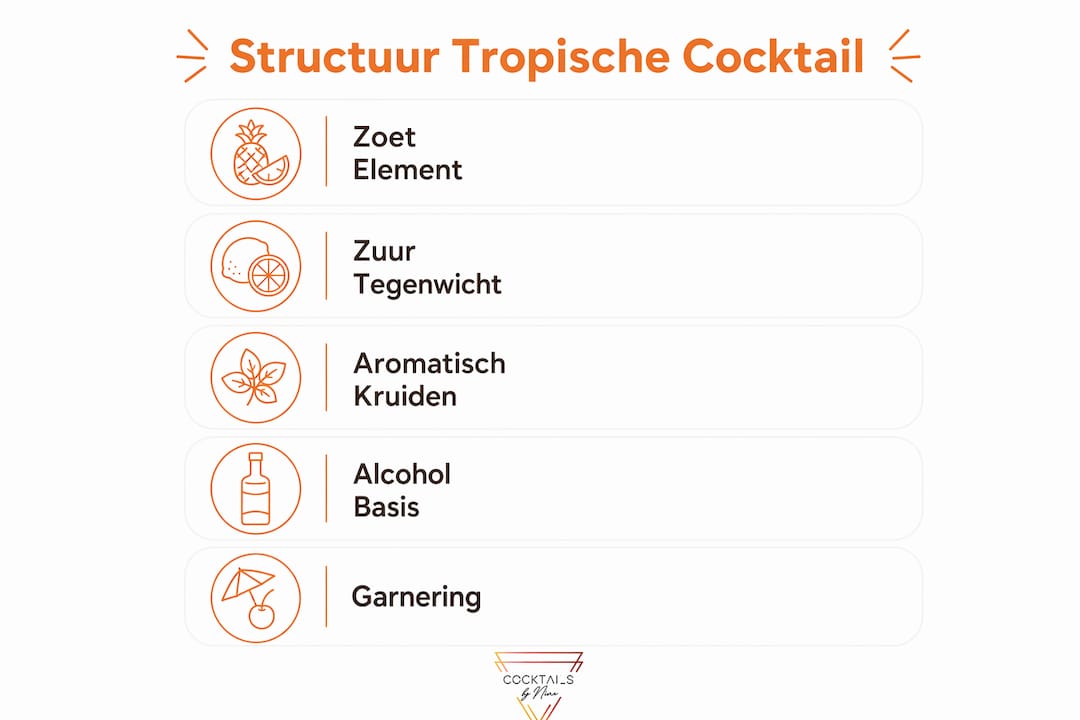
Creating your own cocktail recipe is simpler than it seems. The basic structure is always the same: a sweet element, an acidic element, a spirit, and an aromatic layer. Anyone who masters these four elements can vary endlessly.
Flavor balance as a starting point
Start with one dominant fruit. Then choose a citrus fruit as a counterbalance. Add an herb or spice for depth. Adjust the proportions by tasting, not by guessing. Systematic tasting and adjusting is the quickest way to refine a recipe.
Bitters are an underestimated ingredient. A few drops of Angostura or orange bitters add a layer that sharpens the other flavors. You barely taste them separately, but without bitters, the cocktail lacks depth. The same applies to salt: a small pinch enhances sweet flavors without you tasting the salt itself.
Pro-tip: First make a small test version of 30 ml total before mixing a full cocktail. This way, you don't waste ingredients when adjusting the proportions.
Avoiding common mistakes
- Too sweet: add more lime juice, not more sugar.
- Too little depth: try an herb or a few drops of bitters.
- Too watery: use less crushed ice or shake for a shorter time.
- Too strong: add sparkling water or extra fruit juice instead of more ice.
- Flat taste: fresh ingredients always make more difference than a different brand of alcohol.
Also experiment with unexpected combinations. Coconut and ginger work surprisingly well together. Mango and basil are a classic Italian combination that also functions excellently in cocktails. For inspiration on using gin as a base in tropical mixes, this step-by-step cocktail guide offers good technical background.
Key insights
The best tropical cocktail is built on four elements: a sweet tropical fruit, an acidic counterbalance, an aromatic herb or spice, and a spirit as the base.
| Point | Details |
|---|---|
| Flavor balance is key | Always combine sweet, sour, and aromatic for a complete flavor experience. |
| Fresh ingredients are decisive | Fresh citrus and herbs make the difference between an ordinary and a bar-quality cocktail. |
| Technique determines texture | Shaking provides a light texture; blending with crushed ice gives a frozen result. |
| Muddling requires caution | Gently muddling mint prevents bitterness and preserves essential oils. |
| Adjusting recipes yourself works | Start small, taste systematically, and adjust one element at a time. |
What I've learned from years of making tropical cocktails
People think a good tropical cocktail starts with the alcohol. That's not true. It starts with the fruit. For years I tried recipes with good rum and mediocre fruit, and the result was always disappointing. As soon as I switched to ripe mangoes and fresh passion fruit, everything changed.
The second thing people underestimate is the garnish. A cocktail without garnish tastes the same, but it feels different. The scent of a sprig of fresh mint above the glass prepares your taste buds for what's to come. That's not a trick. It's psychology, and it works.
What I've also noticed: most people shake for too short a time. Ten seconds feels long when you're waiting, but fifteen seconds makes a noticeable difference in temperature and texture. Set a timer the first time. After a few times, you'll know.
Finally: don't be afraid of mocktails. An alcohol-free passion fruit Mojito with coconut water and fresh mint is surprisingly good. Guests who don't drink alcohol deserve a drink as beautiful as the rest. That's not a compromise. It's just good hospitality.
— Ruud
Tropical flavors without the hassle, directly from Cocktailsbynina
Cocktailsbynina offers ready-to-drink bar-quality cocktails and mocktails, specially for home use. No mixing, no measuring, no hassle.
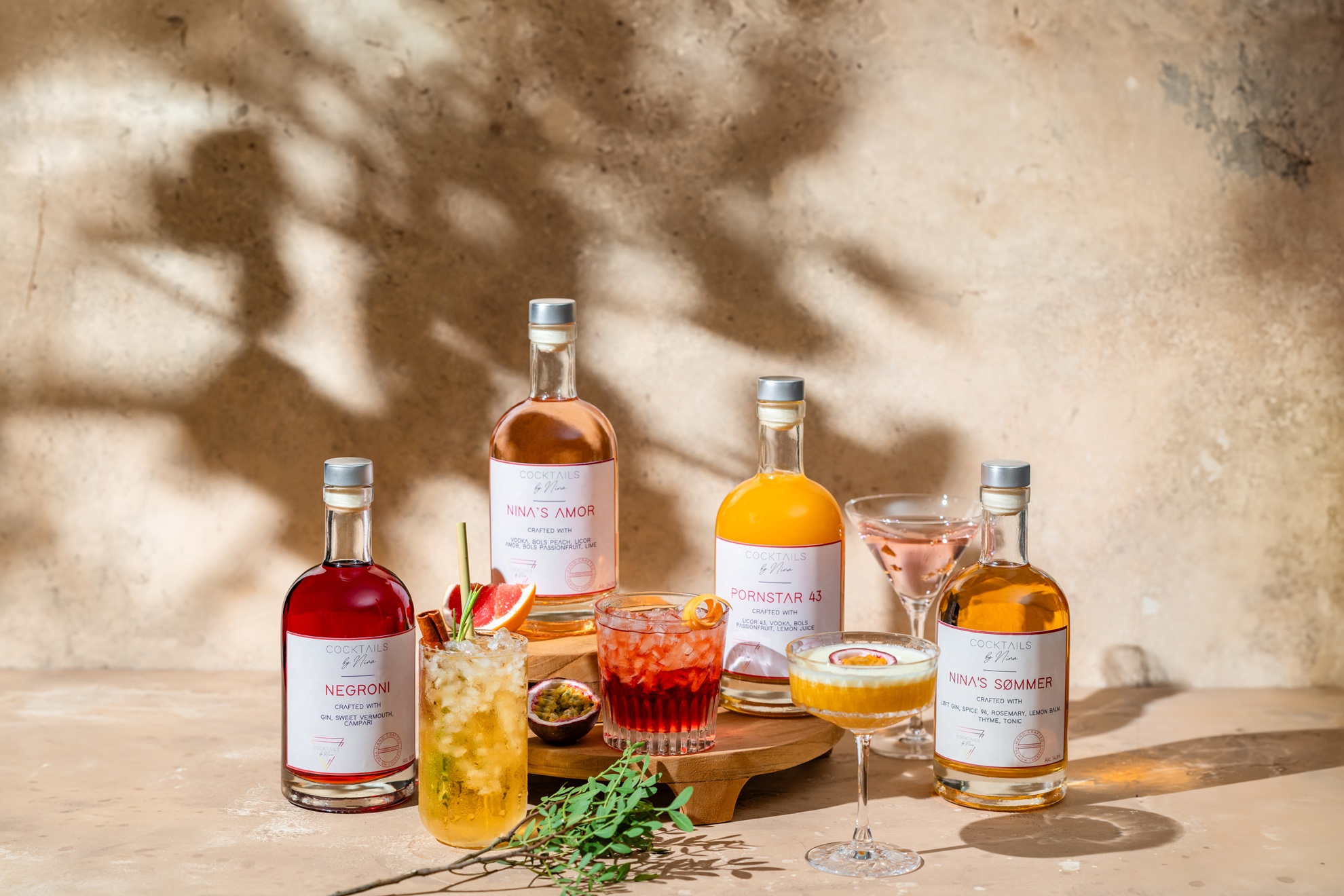
For those who want tropical flavors without shaking themselves: the alcohol-free tropical cocktails are available for direct order and ready to serve. Want the full Mai Tai experience? Cocktailsbynina's MAI-TO gives you exactly that combination of fruity, nutty, and complex. For a party or gift, the cocktail boxes are a complete solution. Everything is made with premium ingredients and ready to enjoy.
Frequently asked questions
What exactly are tropical cocktails?
A tropical cocktail combines sweet tropical fruits like pineapple, mango, or passion fruit with an acidic element and an aromatic herb or spice. The balance between these three elements gives the drink its characteristic exotic flavor.
What alcohol do you use in tropical cocktails?
White rum is the most commonly used base for fruity cocktails. Coconut rum instantly adds a tropical note, and golden rum provides more body and depth.
How do you make a tropical cocktail without alcohol?
Replace the rum with coconut water, passion fruit juice, or an alcohol-free rum alternative. Keep the rest of the recipe the same and adjust proportions by tasting.
What equipment do you minimally need?
A shaker, jigger, strainer, and muddler are the four basic tools. A glass jar with a lid works as an alternative to a shaker if you don't have one.
How do you prevent a bitter taste when muddling mint?
Gently press the mint against the glass instead of hard crushing. Muddling too hard breaks the stems and gives an unpleasant bitter taste.