The role of the beverage experience in hospitality is crucial to how guests remember an event or establishment. Beverages are not an afterthought. They are the first thing guests are offered, the means by which conversations begin, and the element that sets the atmosphere. Event organizers and hospitality professionals who understand how the beverage experience works can directly influence guest experience, brand perception, and social cohesion. This article explains how presentation, choice, and behavioral psychology around beverages determine the quality of hospitality.
How does the role of beverage experience in hospitality influence guest perception?
Beverage experiences are at the core of the guest experience and directly influence brand perception and ambiance. This goes beyond serving a good glass of wine. The way a drink is presented, the choices available, and how staff guide guests through these choices together determine the emotional impression a guest takes away.
Guests form their opinion of a venue or event within the first few minutes. A well-designed drinks menu, a well-chosen glass, and a friendly explanation from a staff member set the tone for the rest of the evening. That first drink is, in fact, the handshake of the event.
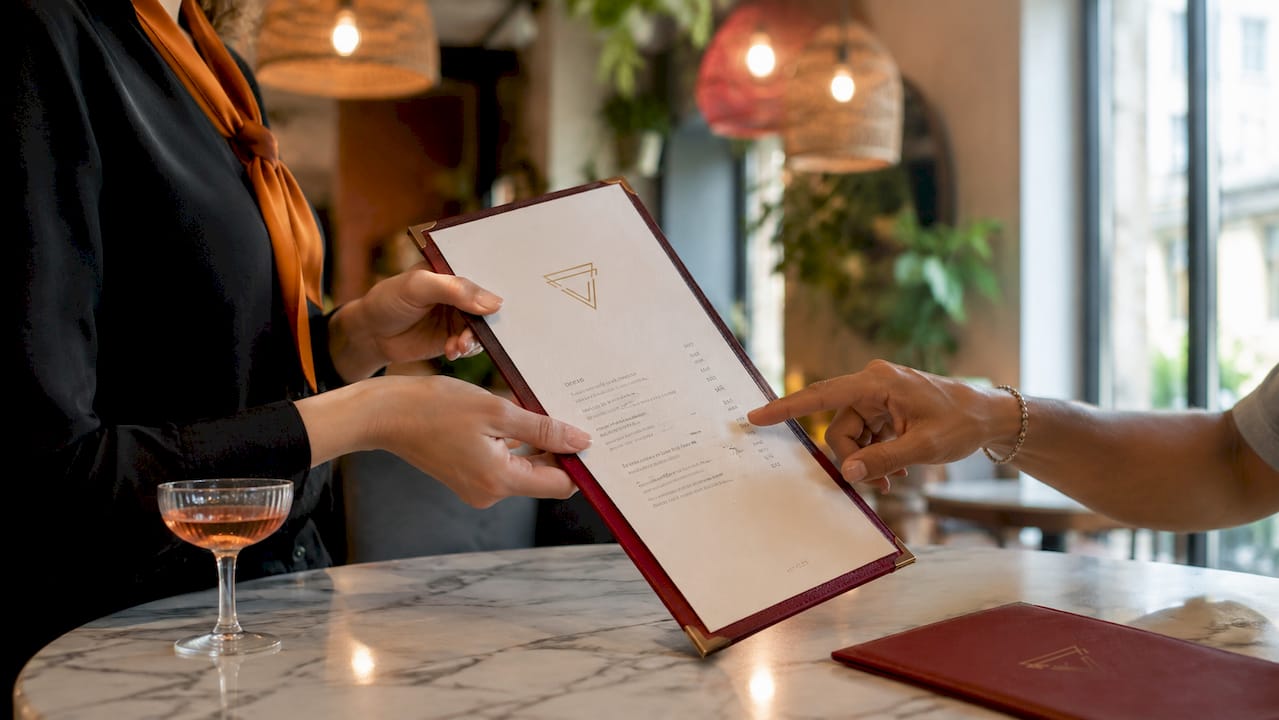
The beverage experience in hospitality is also about feeling cared for. Guests who notice that thought has gone into the offerings, from non-alcoholic options to seasonal cocktails, feel taken seriously. That feeling directly translates into customer satisfaction and the likelihood of someone returning or recommending the event.
Drinks menu as a psychological instrument
Drinks menus are psychological instruments that, through visibility and staff demeanor, guide natural drink choices without manipulation. The order of drinks on a menu, the description of ingredients, and the visual layout influence what guests order. Drinks listed at the top or visually highlighted are chosen more often.
Music, lighting, and scent enhance this effect. Environmental factors guide choices without guests being aware of it. Warm, soft lighting suits a whiskey bar. Bright colors and fresh scents suit a summer event with fruity cocktails. The environment and the drink offerings reinforce each other.
- Place the most representative drinks at the top of the menu or on a separate recommendations card.
- Use short, concrete descriptions with flavor profiles instead of technical terms.
- Ensure staff have tasted the top choices themselves and can describe them.
- Choose glassware that matches the style of the event. Cocktail etiquette starts with the right glass.
Pro-tip: Have staff proactively recommend one drink upon guests' arrival. This lowers the barrier to ordering something and increases the average spend per guest.
Staff who provide enthusiastic and expert advice on drinks generate the highest sales returns and improve the guest experience. Training in beverage knowledge is not a luxury. It is a direct investment in guest experience and revenue.
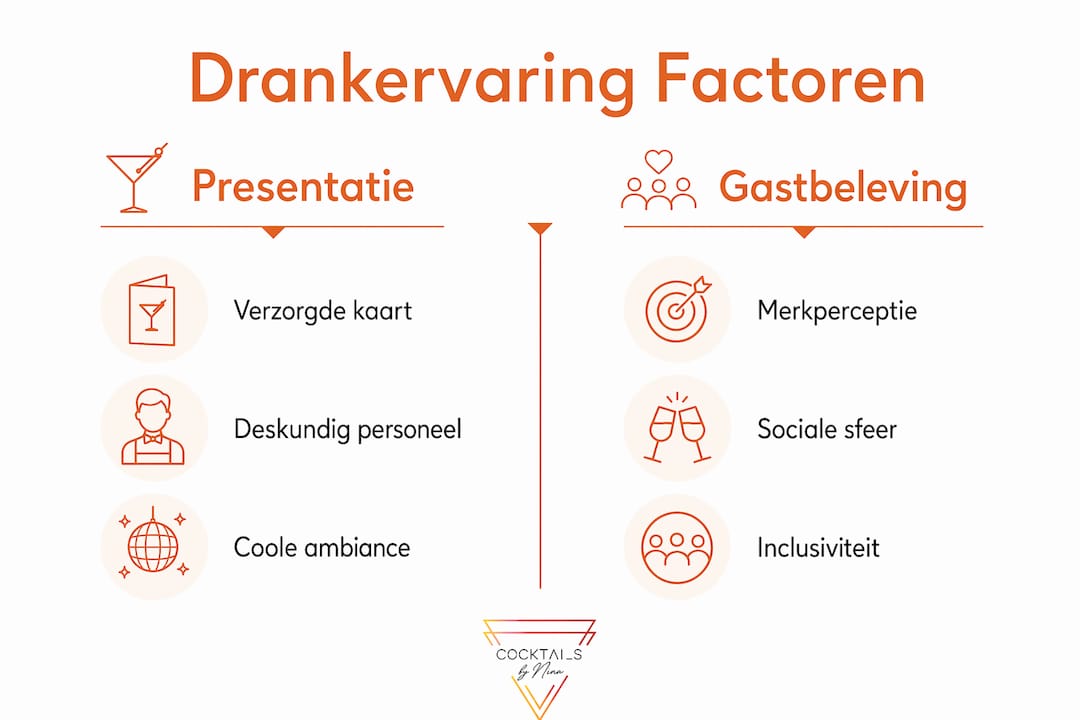
What is the effect of the imitation effect on drink consumption at events?
The imitation effect explains why guests often mirror the drinking behavior of their environment in social settings. If someone sees others having a glass of wine, they tend to do the same. This mechanism works unconsciously and has significant consequences for how hospitality is experienced at events.
For event organizers, this means that the first round of drinks sets the tone for the rest of the evening. If most guests are offered an alcoholic drink upon arrival, others will follow that pattern. Those who want to break that pattern or be more inclusive must consciously intervene in the presentation.
Alcohol can lower social inhibitions and facilitate conversations, but it can also lead to undesirable behavior and prolonged social insecurity. Hospitality, therefore, is based on balance and inclusion, not on maximizing alcohol consumption.
Strategies to reduce social friction:
- Always offer a non-alcoholic alternative upon arrival in the same glass and with the same presentation as the alcoholic drink.
- Place mocktails and 0.0 options at the same level on the drinks menu, not at the bottom as an afterthought.
- Train staff not to ask “would you like alcohol?” but to present both options equally.
- Use the same garnish and glassware for non-alcoholic and alcoholic variants.
- Actively communicate the non-alcoholic offerings via table cards or a welcome sign.
Pro-tip: A well-presented mocktail in a cocktail glass with garnish is socially invisible. Guests who don't drink don't have to distinguish themselves from the group.
Non-alcoholic alternatives in equivalent presentation reduce social pressure and increase inclusion for non-drinkers. This is not a concession to quality. It is a conscious choice for a hospitable environment where everyone feels welcome.
How do generational differences play a role in beverage experiences at events?
Generational differences influence how guests perceive beverage brands and presentation. Broadly appealing presentations work best. An event with a mixed audience requires a beverage policy that appeals to multiple generations without compromising on quality or style.
Younger guests, particularly millennials and Gen Z, often choose experiences over brand loyalty. They want to know what's in their drink, where the ingredients come from, and if there's a story behind it. Older generations appreciate trusted brands, classic presentation, and craftsmanship.
| Generation | Beverage Preference | Presentation Style | Communication |
|---|---|---|---|
| Generation Z (born after 1996) | Non-alcoholic, functional, healthy | Colorful, Instagram-worthy | Digital, transparent about ingredients |
| Millennials (1981–1996) | Craft cocktails, local products | Stylish, with a story | Personal, highlight sustainability |
| Generation X (1965–1980) | Wine, classic cocktails | Well-groomed, professional | Direct, emphasize quality |
| Baby Boomers (before 1965) | Trusted brands, beer, wine | Traditional, recognizable | Formal, brand recognition matters |
The table shows that no single generation has the same expectations. Yet, there are cross-generational elements that always work: well-groomed presentation, clear communication, and visible attention to quality.
Cross-generational strategies with polished presentation and quality promotional materials are crucial for diverse events. A drinks menu that offers both a classic gin and tonic and a non-alcoholic spritz with local herbs appeals to multiple generations simultaneously. The key is not to maximize the offering, but to curate it intelligently.
For bar-quality drinks at events, it's better to choose five well-presented options than twenty mediocre ones. Quality over quantity works for every generation.
Why are personal attention and sustainable choices essential for modern hospitality?
True hospitality is about attention, personal interaction, and remembering preferences. This increases the number of returning guests. A guest who, upon a second visit, is offered their favorite drink without having to ask for it, feels recognized. That feeling is stronger than any discount promotion.
Personal attention with beverages specifically means:
- Remember the drink preferences of regular guests and mention them on their next visit.
- For larger events, inquire about dietary requirements and drink preferences in advance via a registration form.
- Ensure staff know which guests do not drink and proactively offer them a suitable alternative.
- Use name tags or table numbers to link personalized drink packages to specific guests.
Sustainability is the second pillar of modern hospitality. More than 66% of consumers consider climate and sustainability when choosing drinks, but price remains decisive. This means that sustainable choices must be visible and affordable, not hidden in a footnote on the menu.
Sustainable beverage experiences and transparency about origin increase trust and appreciation among guests. Tell on the drinks menu where the wine comes from, which local brewery supplies the beer, or why organic syrups were chosen. That story gives guests something to talk about and enhances the event's brand experience.
Sustainable alternatives in hospitality start with small choices: reusable straws, local ingredients, and less packaging waste. These choices are visible to guests and contribute to a positive image. Hospitality arises from honest connection and transparency about products, not from superficial experiential elements.
Key Insights
The quality of the beverage experience in hospitality directly determines guest perception, social cohesion, and brand perception at any event or in any catering establishment.
| Point | Details |
|---|---|
| Presentation guides choice behavior | A well-designed drinks menu with clear descriptions increases both spending and guest satisfaction. |
| Imitation effect requires inclusive offerings | Offer non-alcoholic alternatives in equivalent presentation to reduce social friction. |
| Generations demand customization | Combine classic and modern options to appeal to a diverse audience without compromising quality. |
| Personal attention increases loyalty | Guests whose preferences are recognized return and recommend the event. |
| Sustainability is visible and communicable | Transparency about origin and sustainable choices increase guest trust. |
My honest take on the beverage experience as part of hospitality
After years of experience in events and hospitality, one thing always strikes me: organizers invest a lot in decor and catering, but treat the beverage offering as an afterthought. That's a mistake. A drink is the first thing a guest touches, literally and figuratively.
What I've learned is that the biggest mistakes are not in the choice of the drinks themselves, but in the presentation and staff training. An employee who enthusiastically describes a cocktail sells more than a pretty menu ever could. That enthusiasm is contagious and sets the tone for the entire evening.
I also see that organizers still too often treat non-alcoholic options as a side note. One bottle of sparkling water next to a fully elaborated cocktail menu is not an inclusive offering. It's a missed opportunity. Guests who don't drink are just as much ambassadors for your event as guests who do.
My advice: start with the basics. Choose three to five drinks that you can present and explain really well. Make sure staff know them. Add one strong non-alcoholic option in the same glass and with the same attention. That's worth more than a menu with twenty options that no one can say anything about.
The role of the on-site bartender is still underestimated. A good bartender is not just a drink pourer. They are a host who creates the atmosphere.
— Ruud
Enhance your hospitality with Cocktailsbynina
Those who want to surprise guests with a complete beverage experience don't have to devise everything themselves. Cocktailsbynina delivers bar-quality ready-to-drink cocktails and mocktails, immediately usable at any event or party.
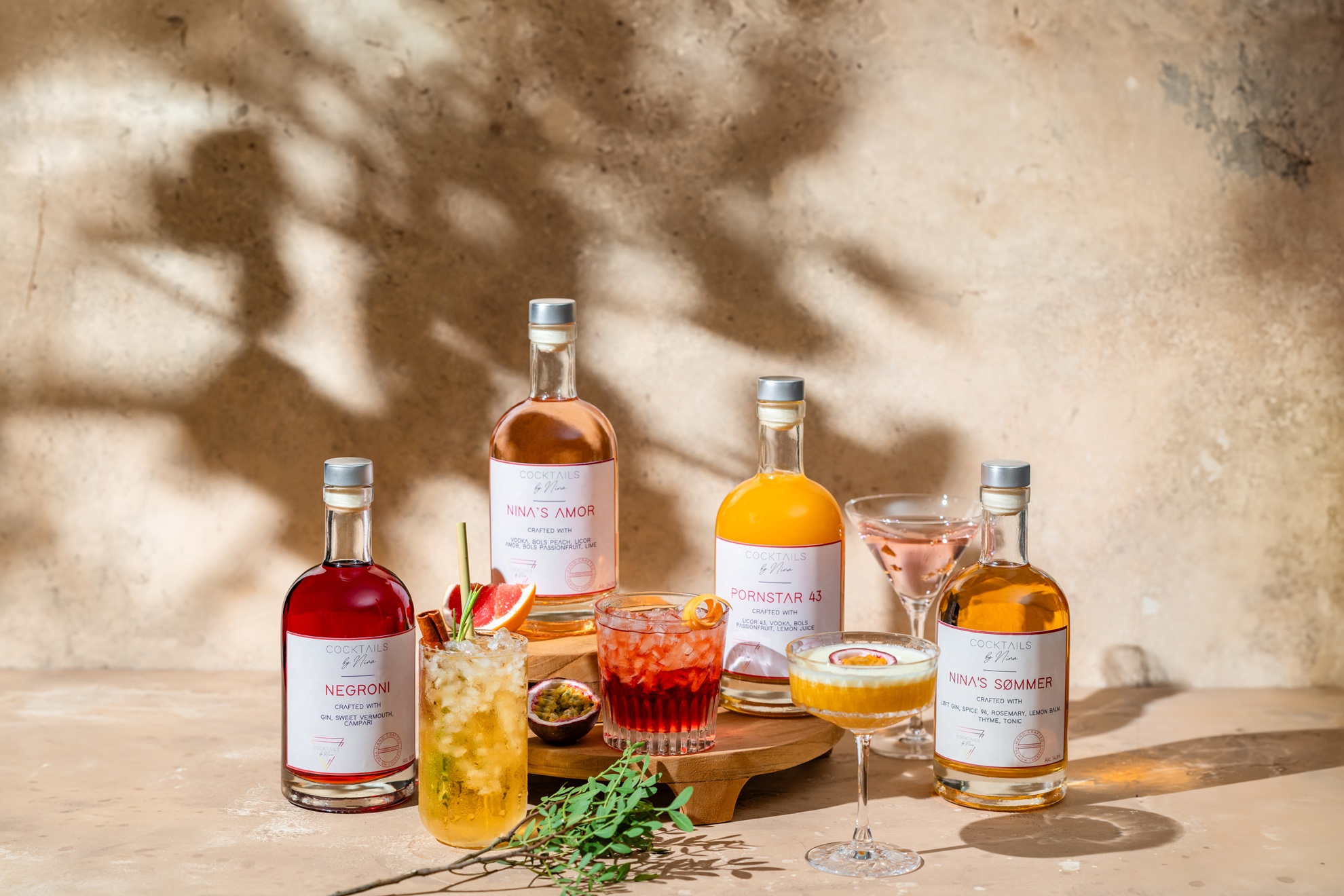
Cocktailsbynina's assortment includes non-alcoholic cocktails for inclusive events, ready-to-drink mocktails to buy for non-drinking guests, and complete cocktail boxes for a stylish presentation. All drinks are prepared with premium ingredients and are ready to serve. This allows you as an organizer to deliver a professional beverage experience without extra preparation. View the full range on the Cocktailsbynina website and choose the options that suit your event.
Frequently Asked Questions
Why is the beverage experience so important for hospitality?
Beverage experiences are at the core of the guest experience and directly influence brand perception and ambiance. The first drink a guest receives sets the tone for the rest of the event.
How do you reduce social pressure around alcohol consumption at events?
Offer non-alcoholic alternatives in the same glass and with the same presentation as alcoholic drinks. This reduces social friction and makes the event more inclusive for non-drinkers.
How do you adapt the beverage offering to different generations?
Combine classic options like wine and gin and tonic with modern non-alcoholic variants and craft cocktails. Polished presentation and transparency about ingredients appeal to all generations.
What is the effect of staff training on the beverage experience?
Staff who provide enthusiastic and expert advice on drinks improve the guest experience and increase sales. Beverage knowledge among employees is a direct investment in hospitality.
How does sustainability contribute to a better beverage experience?
More than 66% of consumers consider sustainability when choosing drinks. Transparency about origin and sustainable choices increase guest trust and enhance the event's brand experience.