Ready to Drink (RTD) is the term for beverages that can be consumed directly without preparation, straight from the packaging. No mixing, no shaking, no extra ingredients. You open the bottle or can and drink. The category includes alcoholic cocktails, mocktails, iced tea, soft drinks, and functional beverages. Brands like De Kuyper and Bacardí are launching ready-made cocktails that match the quality poured by a bartender. The RTD market is growing rapidly, driven by consumers who want both convenience and quality. This article explains what ready to drink means, which products fall under this category, and why it has become so popular.
What exactly does ready to drink mean?
Ready to drink literally means "ready to consume." The official definition describes RTD as a beverage category where all ingredients are already combined in the correct proportion, so the consumer doesn't need to do anything else. This distinguishes RTD from concentrates, syrups, or beverage kits where you still add water, ice, or other ingredients yourself.
The term RTD is the recognized industry standard. You see it on packaging, in supermarkets, and in hospitality trade magazines. In Dutch, you might also say "kant-en-klare dranken" (ready-made drinks), but RTD is the common term in the sector. Both terms cover the same meaning.
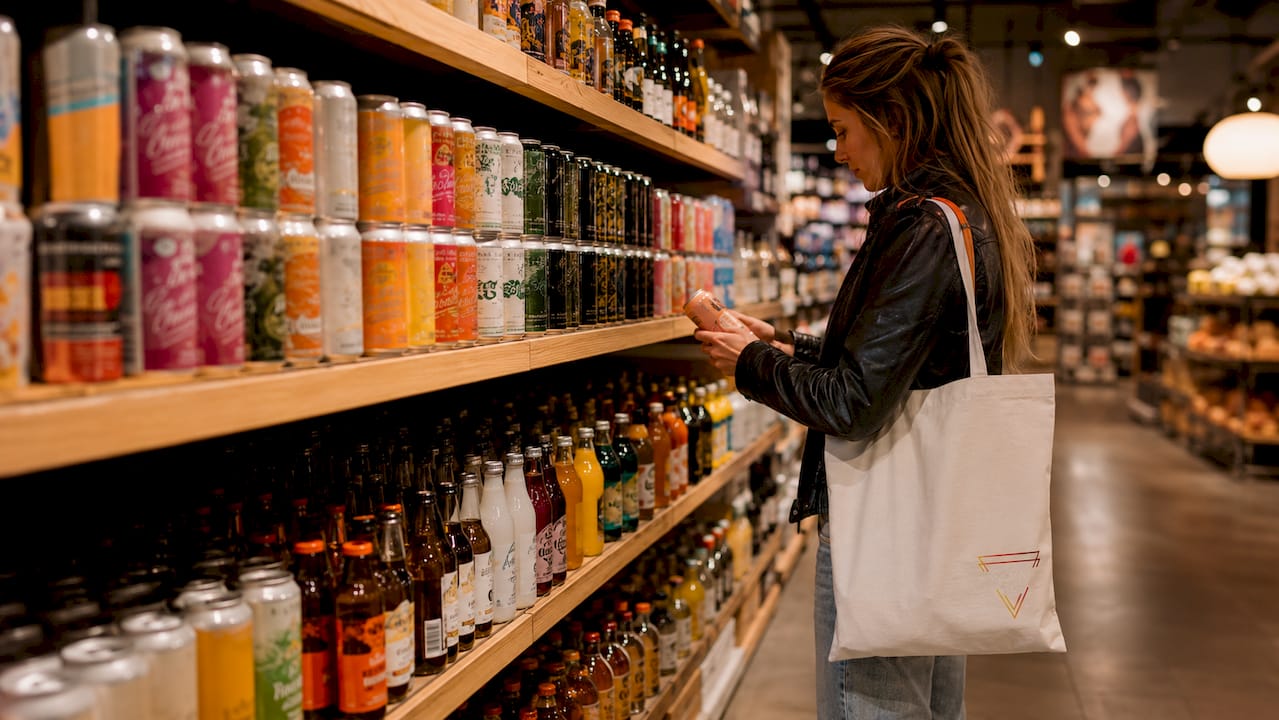
RTD is not a new phenomenon. Soft drinks like Coca-Cola are technically also ready to drink. However, the industry primarily uses the term nowadays for alcoholic cocktails in cans or bottles, and for functional or premium non-alcoholic beverages. This distinction is relevant when comparing products in the store.
What types of RTD beverages are there?
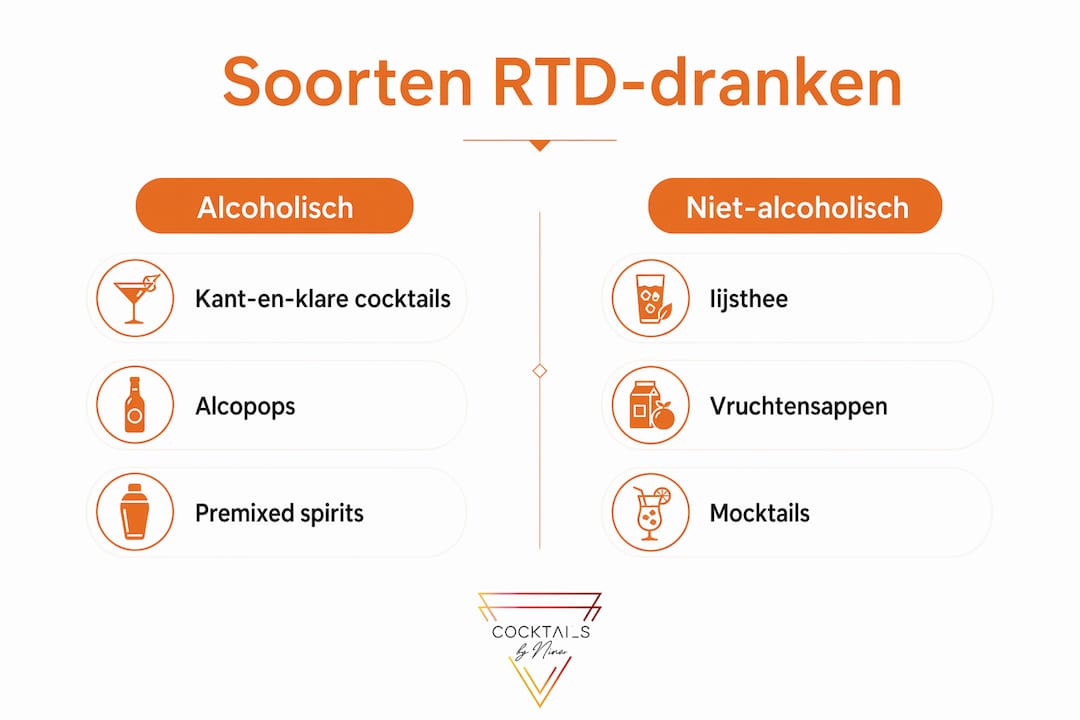
The ready to drink category is broad. It can be divided into three main groups: alcoholic RTDs, non-alcoholic RTDs, and functional RTDs.
Alcoholic RTDs are the best-known variant. Think of ready-to-drink cocktails in a can, alcopops, and pre-mixed spirits. In 2026, De Kuyper launched a line of RTD cocktails in 200 ml single-serve cans, with flavors like Passionfruit Martini, Espresso Martini, and Amaretto Sour. Bacardí collaborates with Coca-Cola for an RTD variant that offers operational efficiency in hospitality. These are no longer cheap mixed drinks. These are products that mimic bar recipes with premium ingredients.
Non-alcoholic RTDs include iced tea, fruit juices, milk drinks, and mocktails. A good example is Japanese Royal Milk Tea, a creamy tea in a bottle or can that is drunk immediately after opening. This product illustrates how RTD goes beyond just cocktails.
Functional RTDs are the fastest-growing subcategory. Think of drinks with adaptogens, electrolytes, or reduced sugar content. They target consumers who consciously choose healthier options without compromising on taste or convenience.
| Category | Examples | Characteristic |
|---|---|---|
| Alcoholic RTD | De Kuyper cans, Bacardí & Cola | Premixed cocktails, ready to serve |
| Non-alcoholic RTD | Royal Milk Tea, iced tea, mocktails | No alcohol, ready to drink |
| Functional RTD | Adaptogenic drinks, low-sugar variants | Health benefits, conscious choice |
Difference between ready to drink and ready to serve
Ready to serve (RTS) is a related but different term. RTS products are pre-mixed but sometimes require dilution with water or ice. RTD products are completely ready. This difference is small but relevant when buying cocktail mixes for home or an event. Always check the packaging to know if you need to add anything.
Why has ready to drink become so popular?
The growth of RTD is no coincidence. Almost 50% of the demand for RTD stems from on-the-go consumption and health trends. This figure shows that RTD is not just about laziness. It's about a conscious choice for convenience and quality simultaneously.
Four factors explain the popularity:
- Convenience. You don't need bar tools, syrups, or fresh ingredients. You open and drink.
- Consistent quality. Every bottle tastes the same. This is rarely the case with homemade cocktails.
- Healthier options. RTD products are evolving into premium and functional beverages with less sugar, natural ingredients, and even wellness additives.
- Staff shortages in hospitality. RTD products reduce pressure on bar staff and lower the chance of errors during busy shifts.
“RTD is not just convenience, but also a cultural shift towards quality perception within a fast-paced and hybrid lifestyle.” — Tan Do Beverage
The cultural shift towards RTD reflects a broader trend: consumers want control over what they drink, even on the go. They read labels, make conscious choices, and expect a ready-made product to taste as good as a bar version.
Pro-tip: When choosing RTD cocktails, opt for products with a visible ingredient list and a recognizable brand. This is the quickest way to assess quality without tasting.
How does RTD relate to making cocktails yourself?
Making cocktails yourself offers freedom. You choose your own proportions, experiment with garnishes, and adjust flavors. But it costs time, money, and space. A good home bar requires dozens of bottles, tools, and knowledge of techniques. Read more about spirits and mixers for home if you want to explore that route.
RTD offers another advantage: consistency. An RTD cocktail from a quality brand tastes the same every time. This is valuable for parties, events, or when you're expecting guests you don't want to keep waiting.
Here are four situations where RTD is the better choice:
- Parties and birthdays. You serve twenty people without spending the entire evening behind the bar.
- Outdoors. Festivals, picnics, and sporting events require portable, single-serve packaging.
- Hospitality under time pressure. RTD cocktails in hospitality increase speed and reduce errors during busy shifts.
- Gifts. A beautiful cocktail box is a complete gift without the recipient needing to know anything about mixing.
It's not a choice between one or the other. Many enthusiasts combine both. They have a basic assortment at home for experiments and grab an RTD when time is short.
Pro-tip: Add a fresh slice of lemon, a sprig of mint, or a sugar rim to an RTD cocktail. You elevate the experience to bar level without extra preparation.
What applications and trends are there in 2026?
The RTD market in 2026 shows clear trends. Single-serve packaging dominates. Consumers want portion control and no waste. De Kuyper responds to this with 200 ml cans for festivals and picnics. That size fits in a backpack and doesn't require a glass.
Premium positioning is the second major trend. RTD is no longer the cheap option. Brands are investing in high-quality ingredients, sleek packaging, and flavor profiles that compete with bar cocktails. Functional additives such as adaptogens and electrolytes also make RTD attractive to people who don't drink alcohol but still want a special drinking experience.
The hospitality industry embraces RTD as an operational tool. Brands like Bacardí & Coca-Cola offer RTD products that are served directly from the cooler. This saves time and ensures brand recognition for the guest.
| Trend | Description | Example |
|---|---|---|
| Single serve | Small packaging for personal use | De Kuyper 200 ml cans |
| Premium RTD | High-quality ingredients, bar flavors | Espresso Martini in a can |
| Functional | Health benefits, less sugar | Adaptogenic drinks |
| Hospitality integration | Speed and consistency during busy shifts | Bacardí & Coca-Cola RTD |
For consumers who want to choose RTD products, these are the most important considerations:
- Check the alcohol percentage on the packaging.
- Choose brands with recognizable ingredients and no artificial additives.
- Pay attention to the shelf life after opening. Many RTD products are intended for immediate use.
- Compare the size to your use case. A 500 ml bottle is ideal at home. A 200 ml can is better on the go.
Also check out the complete guide to RTD cocktails for a deeper overview of the market and product types.
Key insights
Ready to drink beverages are ready-made products consumed directly from the packaging, without mixing or preparation, and the category includes alcoholic cocktails as well as non-alcoholic and functional variants.
| Point | Details |
|---|---|
| Definition of RTD | RTD beverages are fully prepared and immediately consumable without extra steps. |
| Three main categories | Alcoholic, non-alcoholic, and functional are the three pillars of the RTD segment. |
| Growth drivers | Convenience, consistent quality, and health consciousness explain the rapid growth of RTD. |
| Hospitality and RTD | RTD reduces errors and increases speed during busy hospitality shifts. |
| Trends in 2026 | Single serve, premium positioning, and functional ingredients dominate the market. |
My view on the future of ready to drink
By Ruud
I've been following the RTD market for several years, and what strikes me is how quickly the segment has matured. Five years ago, RTD was synonymous with cheap alcopops in a supermarket cooler. Now you find Espresso Martinis in cans next to premium mocktails with adaptogens. That's a fundamental change.
What I find interesting is that RTD accelerates the democratization of cocktail culture. Not everyone has the time, space, or knowledge to make a good Amaretto Sour. RTD gives these people access to bar-quality flavors without the learning curve. That's not a deterioration of the drinking experience. It's an expansion of it.
Nevertheless, I also see a risk. As the market grows, more products will emerge that compromise on quality to keep prices low. My advice: always look at the ingredient list. A good RTD cocktail contains the same basic ingredients as a bar version. If you see artificial flavors and sugar syrups, buy something else.
The future of RTD, in my opinion, lies in the combination of convenience and transparency. Consumers want to know what they're drinking. Brands that take this seriously will earn trust. And that trust is ultimately what makes the category sustainable.
— Ruud
Ready-made cocktails and mocktails at Cocktailsbynina
Cocktailsbynina offers a carefully curated assortment of ready-made mocktails and alcoholic cocktails, all prepared with premium, bar-level ingredients. You order online and receive drinks that are ready to serve, without any extra preparation.
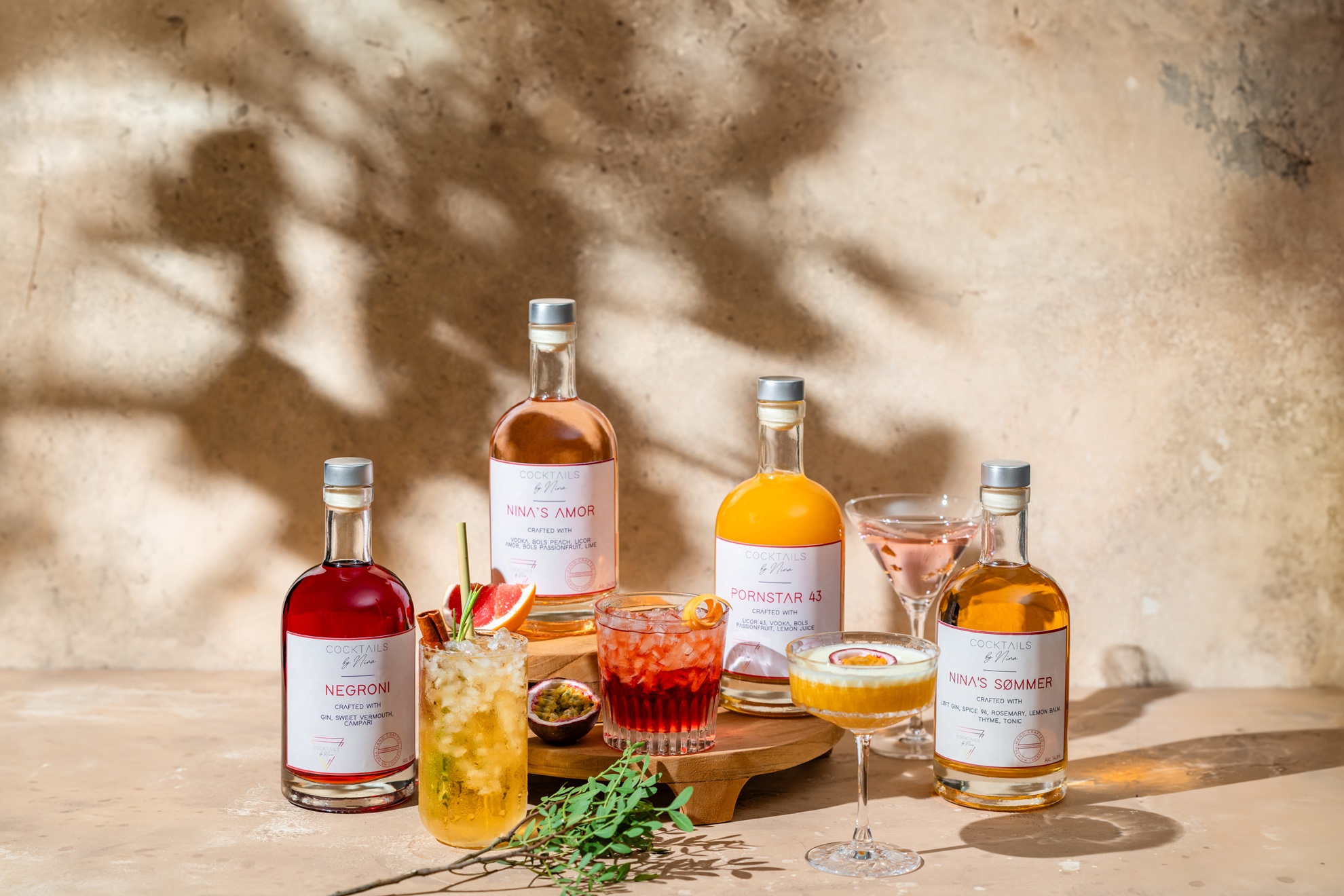
Whether you're organizing a birthday, a business event, or simply want to enjoy a good cocktail at home: Cocktailsbynina has a suitable option. Check out the non-alcoholic cocktails for a complete selection of mocktails, or choose a cocktail box for four people as a gift or for an evening with friends. Every order is carefully packaged and delivered quickly.
Frequently asked questions
What is the definition of ready to drink?
Ready to drink (RTD) refers to beverages that are fully prepared and can be consumed directly from the packaging without mixing or dilution. The category includes cocktails, iced tea, mocktails, and functional beverages.
What is the difference between RTD and ready to serve?
Ready to serve (RTS) sometimes requires dilution with water or ice, while RTD is completely ready for consumption. With RTD, you open the package and drink directly.
Which well-known brands make ready to drink cocktails?
De Kuyper and Bacardí are well-known brands with RTD cocktails in cans or bottles. In 2026, De Kuyper released flavors like Passionfruit Martini and Espresso Martini in 200 ml single-serve format.
Is ready to drink always alcoholic?
RTD includes both alcoholic and non-alcoholic products. Mocktails, iced tea, and functional beverages like adaptogen variants also fall under the RTD category.
Why do hospitality businesses choose RTD products?
RTD products increase speed and reduce errors during busy shifts. They offer consistent quality and brand recognition, providing operational advantages during staff shortages.
Recommendation
- What are ready-to-drink cocktails: the complete guide – Cocktails by Nina
- Shots and drinks: the complete guide to convenience and quality – Cocktails by Nina
- Cocktail at home – Cocktails by Nina
- Essential cocktail terms: your guide to clear choices – Cocktails by Nina