Yes, dried and freeze-dried fruit are some of the fastest ways to add color, aroma, and a longer shelf life to your cocktails. Dried orange wheels, lime wheels, and candied cherries are ready to use and incredibly versatile. The biggest advantages: less prep time per shift, a consistent look on every glass, and a garnish that lasts for weeks instead of a single day.
In short:
- Dried fruit contains a lot of sugar and can significantly affect the flavor balance of a cocktail, especially in already sweet drinks.
- Stained, relatively thicker slices of dried fruit are best dried in a dehydrator at 55–60 °C, which takes 6–12 hours.
- The DIY drying process offers full control but requires precision; oven drying is faster but less homogeneous and carries more risk.
- Commercially dried fruit usually lasts for 3 to 12 months under proper storage conditions, depending on moisture control.
- Be careful with snacking, as 100 grams of dried fruit contains 45–75 grams of sugar; in cocktails, the amount used is typically much smaller.
Table of Contents
- Types of dried fruit and when to choose which
- How to make your own dried fruit: dehydrator and oven
- Storage, shelf life, and food safety on a bar scale
- Pairings and serving techniques you can apply immediately
- Bar-ready preparation and hygiene: workflow and quick checks
- Why professionals use dried fruit
- Trends and new applications of dried fruit in the bar
- The biggest misconception about dried fruit as a garnish
- How Cocktails by Nina helps you get started
- Sources
- Frequently Asked Questions
Types of dried fruit and when to choose which
Dehydrated fruit is slowly drained of water at a relatively low temperature, resulting in a firm, slightly leathery texture. Freeze-dried fruit undergoes a different process: water sublimates directly from ice to vapor under vacuum at temperatures ranging from approximately -30 °C to -80 °C, which preserves color, flavor, and nutrients better than standard drying methods, according to Gezondleven. This explains why freeze-dried slices often have a more intense flavor and brighter color, but also absorb moisture more quickly once they are taken out of the packaging.
For the bar, the choice is mostly practical:
- Citrus (orange, lime, grapefruit) dries stably and works in almost any cocktail with acidic or bitter notes.
- Stone fruits like peach and apricot provide a soft, honey-like tone and pair well with whiskey-based drinks.
- Tropical fruits like pineapple and mango bring sweetness and color to rum-based and tiki-style cocktails.
- Berries like strawberry and raspberry are decorative but lose their structure quickly, so they are best suited for immediate service.
Pay attention to the sugar concentration: dried fruit typically contains 45 to 75 grams of sugar per 100 grams, much more than fresh fruit, as reported by the Voedingscentrum. That sweeter character can shift the flavor balance of a drink, especially with cocktails that are already leaning toward sweet.
How to make your own dried fruit: dehydrator and oven
Drying your own fruit gives you complete control over thickness, color, and flavor, and is cheaper than purchasing pre-made garnishes. The basics are simple, but precision in slicing and temperature determines the result.
- Slice the fruit into pieces of 3 to 5 millimeters and remove pits or seeds where possible.
- Blanch firmer fruit like apple or pear briefly in hot water to slow down discoloration.
- Pat the fruit dry and place the slices separately on the rack, without overlap.
- Set the dehydrator to 55 to 60 °C and let the fruit dry for 6 to 12 hours, depending on thickness and water content.
- Check halfway through for even drying and flip the slices if necessary.
These settings align with guidelines used by bartender guides and industry blogs for consistent garnishes, as shown in practical advice on dry garnishes. The fruit is ready when it feels leathery, is no longer sticky, and springs back under light pressure.
If you don't have a dehydrator, an oven works too. Set the temperature to 90 to 110 °C, leave the oven door slightly ajar for air circulation, and expect it to take 2 to 8 hours, depending on the fruit and slice thickness. Mechanical drying with a dehydrator or oven is preferred over air drying, as the latter increases the risk of mold, according to a food safety fact sheet on drying vegetables and fruit.
Pro-tip: place citrus slices on parchment paper with a little space between each piece; this helps the bottom dry as quickly as the top.
Storage, shelf life, and food safety on a bar scale
Dried fruit lasts longest when stored airtight, cool, and in the dark. Under these conditions, commercially dried fruit generally stays good for 3 to 12 months, while an opened package loses quality between 2 weeks and 6 months, depending on moisture exposure, according to the storage guide from the Voedingscentrum.
That 3 to 12-month shelf life means that a bar with a standard garnish range can easily work with weekly or monthly batches instead of drying fresh fruit daily.
For daily use behind the bar, this system works well:
- Let the fruit cool completely on a rack before packing; condensation is the biggest enemy of shelf life.
- Check jars and bags daily during the first week for moisture on the inside of the lid.
- If you see condensation, put the fruit back on the drying rack and increase the drying time.
- Label every batch with the drying date and work according to the first-in, first-out method.
Pairings and serving techniques you can apply immediately
The right combination of fruit and spirit makes the difference between a decorative rim and a garnish that truly contributes to the flavor. Citrus like dried lime or grapefruit works well with gin and tequila, where it supports the botanicals or agave. Dried orange balance suits whiskey-based drinks and the Negroni, rounding out bitter and herbal notes. Passion fruit and pineapple pair with rum and tiki-style cocktails, and a candied cherry remains the classic choice for bourbon.
In terms of presentation, there are a few techniques that take little time but have high impact:
- Rim: attach a dried slice to the edge of the glass for a visual anchor point.
- Floating wheel: let a thin slice float on the surface of the drink.
- Skewer: combine dried fruit with a fresh element, like mint or a peel, on a single pick.
- Notch: cut a small notch in the slice so it sits securely on the rim of the glass.
If you want to release more aroma, lightly torch the dried peel above the glass. For a softer bite, let the slice rehydrate in the drink for a few minutes before serving, whereas a crisp texture works better as a purely decorative element.
Pro-tip: a short lemon juice bath before drying apple or pear prevents browning, as recommended by bartender guides.
For more on how aroma and flavor work together in a glass, see further explanation in this article about aroma and flavor pairing in cocktails.
Bar-ready preparation and hygiene: workflow and quick checks
A well-organized bar portions dried fruit in advance so no time is lost searching or slicing during service.
- Divide dried fruit into small jars, resealable bags, or pre-portioned trays per cocktail type.
- When opening each batch, check for odor, color, and brittleness; deviations indicate spoilage or moisture.
- If you see moisture spots or a musty smell, throw the batch away rather than taking risks.
- Check labels of purchased garnishes for sugar coatings, added nuts, or sulfites, which is relevant for guests with allergies.
Why professionals use dried fruit
Dried fruit garnishes provide bars with longer shelf life, less waste, and shorter preparation time, making them operationally attractive for events and catering, as shown in research by Stephensons Hospitality Hub. For a catering team that must prepare dozens of glasses per hour, that consistency is just as important as the flavor.
An advantage of dried fruit as a garnish is that it easily fits with ready-made or homemade cocktail setups, especially when combined with cocktail boxes, glassware, and accessories. Those interested in experimenting with flavor combinations can find further inspiration in this overview of premium ingredients for unique cocktails at home.
Trends and new applications of dried fruit in the bar
Dried fruit is no longer just a rim decoration. Bartenders are increasingly using peels and scraps to infuse spirits, allowing a dried orange peel or pineapple edge to add an extra layer of aroma without adding water to the drink. Small additions like chili powder, cinnamon, or a smoked spice on a dried slice provide an extra layer of flavor that works especially well with whiskey or mezcal-based drinks, a technique highlighted in interviews with bartenders about drying techniques.
Another emerging application is grinding dried fruit into a powder, which is used as a garnish on the foam layer of a cocktail or as a rim on the glass instead of sugar or salt. This gives a more subtle, fruity finish than a classic sugar rim.

For events and large groups, the idea of a fixed garnish kit is gaining traction: a combination of two to three citrus variants, one stone fruit, and one tropical choice, pre-packed in resealable bags and labeled by drying date. This makes scaling simple without every bartender having to spend time drying and sorting. This approach aligns with the broader shift toward less waste and more predictability in the bar, something that has been part of the operational advantages dry garnishes have offered for years.
The biggest misconception about dried fruit as a garnish
The common assumption is that dried fruit is primarily an aesthetic addition, something for the photo rather than the flavor. That underestimates what the drying process actually does: it concentrates sugars and aromas, allowing a slice to gradually release flavor while the guest drinks, instead of doing it all at once like fresh fruit.

What I see going wrong more often is that bars spend too much time on decorative variants and too little on the basics: drying time, temperature, and storage. A beautifully sliced piece that is already soft and sticky after three days adds nothing. The priority should be on a few reliable base garnishes that remain consistently dry, firm, and flavorful, rather than on a long list of exotic variants that no one manages well.
Start with citrus, memorize the dehydrator settings, and only then expand to stone fruits or tropical fruit. That is less exciting than a list of twenty flavors, but it is what really makes a difference during a busy shift.
— Ruud
How Cocktails by Nina helps you get started
Making your own dried fruit is rewarding work, but there isn't always time for it every evening. Cocktails by Nina offers ready-to-drink cocktails, mocktails, and cocktail boxes that pair perfectly with a homemade or purchased garnish, so you can serve a well-presented glass without the hassle.
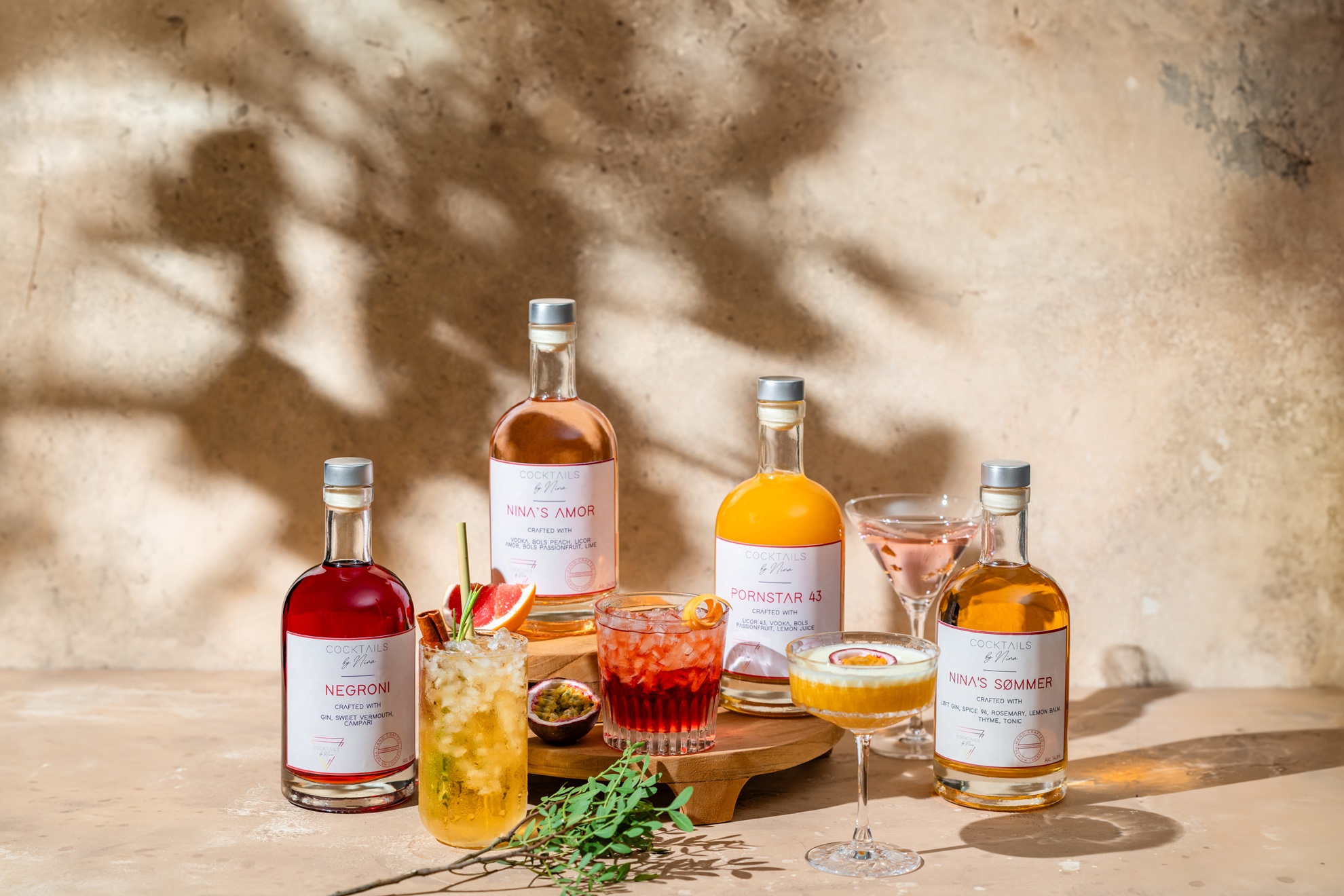
In many webshops, you can also find glassware and cocktail accessories that complete the serving moment, such as tumblers and picks for garnishes. View the cocktail box collection or the glassware collection and put together your own home bar experience.
Sources
Frequently Asked Questions
What is the best way to use dried fruit in cocktails?
Use it as a rim on the glass, as a floating slice on the surface, or on a pick combined with a fresh element like mint. For extra aroma, you can heat the peel briefly above the glass, and for a softer bite, let the slice soak in the drink for a moment first.
How long does home-dried fruit stay good?
Stored airtight, cool, and in the dark, commercial dried fruit usually stays good for 3 to 12 months, and an opened package between 2 weeks and 6 months, depending on moisture exposure, according to the Voedingscentrum. Home-dried fruit generally follows the same guideline, provided it is cooled thoroughly and packed airtight.
How do you make freeze-dried fruit?
Freeze-drying happens industrially: water sublimates directly from ice to vapor under vacuum at very low temperatures, usually between -30 °C and -80 °C, according to an article from Gezondleven.be. That process requires specialized equipment and cannot be matched at home with a dehydrator or oven.
How much dried fruit can you eat per day?
The Netherlands Nutrition Centre (Voedingscentrum) advises a maximum of about 20 grams of dried fruit per day because its sugars are highly concentrated, with a content of 45 to 75 grams of sugar per 100 grams, as stated on their website. As a garnish in a cocktail, you typically consume much less than that amount, but when snacking on it, it is good to keep that guideline in mind.