Cocktails with bubbles revolve around three names you can never go wrong with: Mimosa, Bellini, and Aperol Spritz. All three take at most two minutes to prepare and require no more than a good bottle of prosecco or cava, some fresh juice or a liqueur, and a simple ratio. Keep the basic recipe in mind: 1:1 for a Mimosa, 3:2:1 for a spritz. The rest is a matter of cold ingredients and the right glass.
In brief:
- For the best taste, bubbles go into the glass last, and you should never shake or vigorously stir them.
- Prosecco is the most versatile base for bubbles due to its fruitiness, mild acidity, and it's less expensive than champagne.
- Maintaining the correct temperature (6-8 degrees Celsius) and using appropriate glassware ensure an optimal experience.
- Alcohol-free bubbles and ready-to-drink mocktails offer a good alternative without needing many ingredients.
- The ratio and type of glass often determine the success of the cocktail, such as the flute for Mimosa or a wine glass for Spritz.
Table of Contents
- Recipes for cocktails or bubbles you can make today
- Which bubbly to choose: Prosecco, Cava, or Champagne?
- How to keep your bubbles
- Alcohol-free cocktails with bubbles
- Serving: glass, temperature, and garnish
- Why these recipes always save the party
- Ready-to-drink cocktails from Cocktailsbynina, without mixing yourself
- Sources
Recipes for cocktails or bubbles you can make today
The recipes below use basic ratios per glass, so you can get started without a measuring cup. Chill the bottle, juice, and glasses for at least an hour beforehand. This is not an unnecessary step: a warm bottle of juice can make the fizz disappear within seconds .
- Mimosa. Fresh and simple. Equal parts sparkling wine and fresh orange juice, in equal parts of each in a champagne flute. Pour the juice first, the bubbles last, do not stir.
- Bellini. Softer and fruitier than a Mimosa. Two-thirds prosecco to one-third fresh peach puree in a flute or coupe. Stir with one gentle motion.
- Aperol Spritz. The most popular of the bunch. Follow the 3-2-1 ratio: 9 cl prosecco, 6 cl Aperol, 3 cl soda, over ice in a large wine glass. Garnish with an orange slice.
- Kir Royale. Elegant and quick. A dash of crème de cassis, about 1.5 cl, topped with 10 cl cold cava or champagne in a flute.
- French 75. A bit spicier with jenever or gin. 3 cl gin, 1.5 cl lemon juice, 1 cl sugar syrup, topped with champagne in a flute. Shake the first three ingredients with ice, strain into the glass, and then top with bubbles.
- Hugo. The fresh Alpine twist. 4 cl elderflower syrup, a few mint leaves, topped with prosecco and a dash of soda water in a large wine glass with ice.
- Sgroppino-style serve. For after dinner. A scoop of lemon sorbet in a coupe, topped with 6 cl cold prosecco and a dash of vodka.
- Poinsettia. The festive winter version of the Mimosa. Replace orange juice with cranberry juice, 1:1 with prosecco, and garnish with a rosemary sprig.
- Elderflower Royale. Summery and light. 2 cl elderflower liqueur topped with 10 cl champagne or cava, with a slice of lime.
- Peach Spritz. A spritz variant with peach instead of Aperol. 9 cl prosecco, 4 cl peach liqueur, 3 cl soda, over ice.
The same rule applies to every recipe: bubbles go in last, and you stir gently at most once.
Which bubbly to choose: Prosecco, Cava, or Champagne?
For most cocktails, you don't need to reach for the most expensive bottle. Prosecco is fruity, mildly acidic, and blends effortlessly with liqueurs and syrups, making it the most common base in popular bubbly cocktails. The Charmat method used to make prosecco produces finer, somewhat fruitier bubbles that don't overpower, which is exactly what you want in a mix. Cava has a bit more body and dryness, champagne is the most refined but also the most expensive, and that difference is barely noticeable once juice or syrup is added.
The sweetness level determines at least as much as the brand:
- Brut (0 to 12 grams of residual sugar per liter) works best with a mixer that is already sweet, such as cassis or elderflower syrup.
- Extra Dry (12 to 17 grams) is rounder and fruitier, ideal with peach or orange juice.
- Dry (17 to 32 grams) is sweeter than the name suggests and pairs well with spicy or sour mixers like lemon.
For home use, it doesn't have to be an expensive bottle. An affordable prosecco or cava of good quality works just as well in a mix as a pricey bottle, because the main flavor carriers are the juice, syrup, or liqueur. Save the expensive bottle for a pure glass.
How to keep your bubbles
The most common mistake is shaking. Shaking or vigorously stirring sparkling wine causes the carbonation to escape rapidly, and your cocktail will go flat within a minute. Therefore, always build in the glass: first the non-sparkling ingredients, then the bubbles last, poured along the side of the glass.
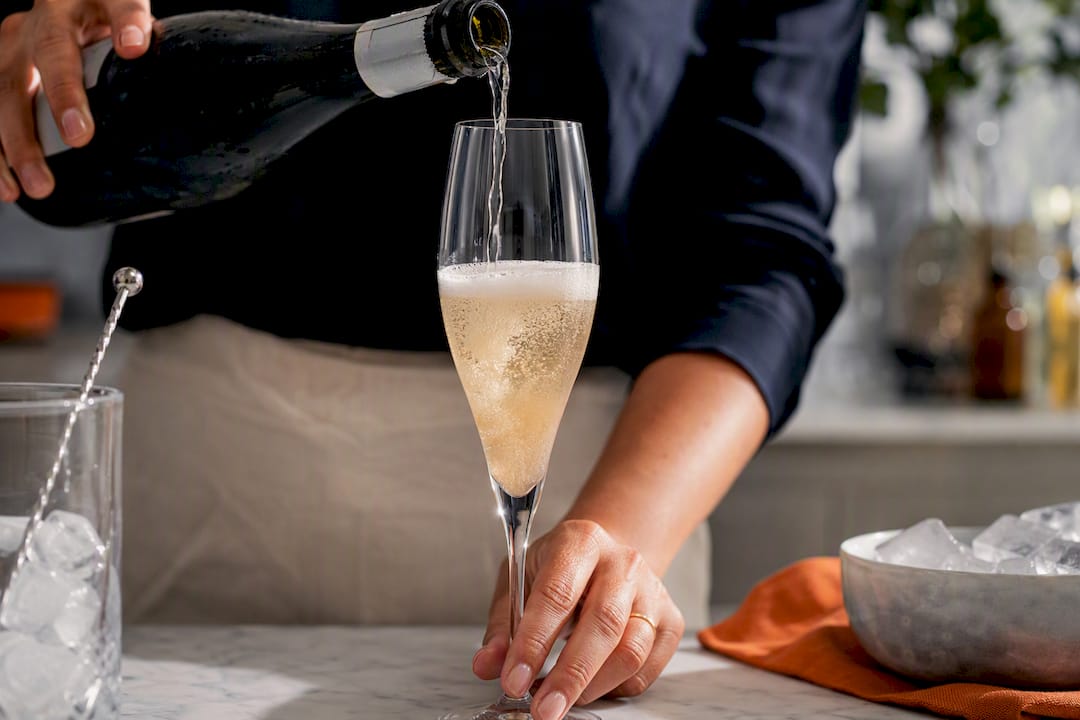
Don't just chill the bottle, but also the glasses, juice, and syrup. Everything at the same temperature prevents the wine from losing its fizz immediately upon contact with warmer liquid.
Pro-tip: Never use a cocktail shaker for sparkling wine. A long spoon with one gentle, swirling motion is enough to mix without driving out the carbonation. Have leftovers? A champagne stopper with a pressure mechanism keeps the bubbles intact until the next day, though freshly opened always tastes best.
Alcohol-free cocktails with bubbles
Non-drinkers don't have to miss out. The trick is to replace regular soft drinks with grape-based non-alcoholic sparkling wine. It has the same finesse in its bubbles and prevents your mix from becoming far too sweet, which quickly happens with sparkling water or lemonade.
- Mimosa 0.0: exactly the same 1:1 ratio, just with 0.0 bubbles instead of prosecco.
- Hugo without alcohol: replace the prosecco with alcohol-free sparkling wine, the elderflower syrup and mint remain the same.
- Bellini mocktail: peach puree with alcohol-free bubbles, taste as you go and correct the sweetness with a few drops of lemon.
If you don't feel like mixing yourself, you'll find readily available alternatives without alcohol among ready-to-drink mocktails from Cocktails by Nina.
Serving: glass, temperature, and garnish
The right glass does more than you think. A Mimosa belongs in a narrow flute, which holds the bubbles longer. An Aperol Spritz calls for a large wine glass with ice, and a Sgroppino-style serve fits better in a wide coupe or tumbler.
- Serve prosecco and cava between 6 and 8 degrees Celsius; champagne can be slightly colder.
- Garnish with something that also adds flavor: an orange slice, a rosemary sprig, or a few raspberries, not just for decoration.
- Pair with lightly salty snacks such as cheese, olives, or smoked salmon, which complement the acidity of the bubbles well.
Why these recipes always save the party
The reason Mimosa, Bellini, and Aperol Spritz have been popular for decades is no coincidence. They require little technique but a great sense of timing: the bubbles must be the last ingredient in the glass, and then it's done. What I underestimated when I first delved into this is how much difference temperature makes. A bottle that has been too warm for ten minutes changes the entire experience of a cocktail. We see this reflected in the demand for good glassware and ready-made options: people want the party feeling without the stress of the last few minutes before guests arrive.
— Ruud
Ready-to-drink cocktails from Cocktailsbynina, without mixing yourself
Don't feel like calculating ratios yourself or searching for the right syrup? Ready-to-drink cocktails and mocktails are offered, ready to serve, without a shaker or measuring cup.
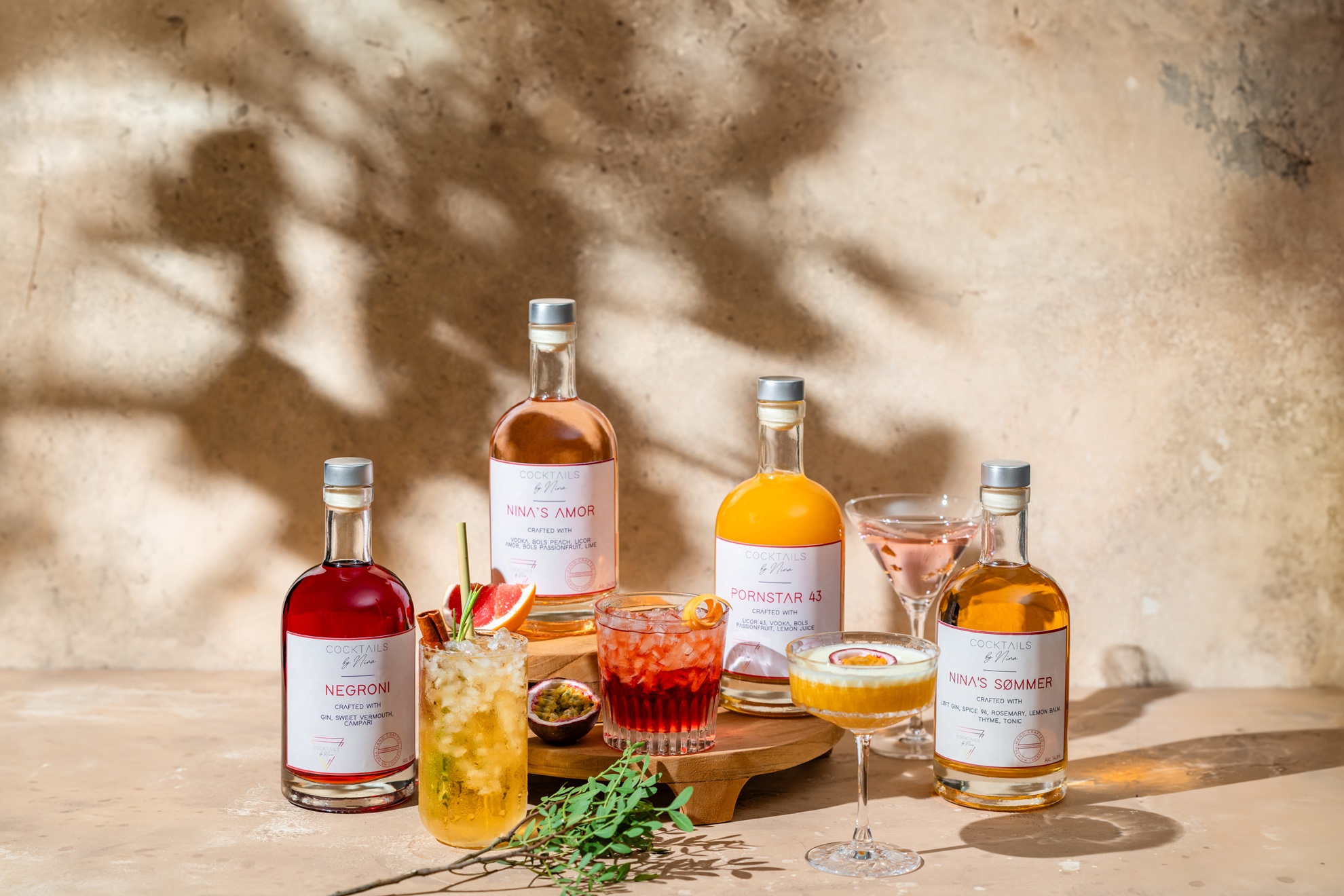
For a birthday, a bubbly brunch, or a business reception, this is often more practical than buying ingredients for ten different items yourself. The assortment includes ready-made cocktails, alcohol-free mocktails, cocktail boxes, and glassware to serve everything festively. Want to taste immediately without alcohol? Check out the collection of ready-made mocktails or create your own evening with a cocktail box for six people.
Sources
- Mimosa cocktail: recipe, ratio, and the right glass
- Sparkle in your glass: fresh prosecco cocktails for every moment - Barb and Jamin
- Barware and dining guidance (technique and mousse retention)