An open bar at home is a self-service or “honesty bar” where guests pour their own drinks without paying per glass. There's no bartender to settle the bill, no cash register, and usually no strict time limit, unless you set one. The dictionary defines an open bar as a service where alcoholic beverages are available to guests without extra charge, but at home, this concept translates into something more casual: a table or cart with drinks from which everyone can help themselves.
The big difference from a professional open bar at a wedding or company party lies in the service. There, a bartender often pours and controls the pace. At home, you manage that yourself, or not at all. This makes an at-home open bar cheaper and more flexible, but also more vulnerable to waste and excessive pouring if you don't set boundaries.
Before you start buying supplies, it helps to determine three key aspects:
- Staffed or self-service? A friend who occasionally pours maintains more control than a completely open setup.
- With or without a time limit? Unlimited drinks all evening costs more than, for example, free drinks for the first two hours.
- What budget suits the group? Eight guests at the table require a different stock than twenty people at a reception.
Key insights
An open bar at home works best with a clear model, limited stock, three to four signature drinks, and clear agreements about safety and time.
| Point | Details |
|---|---|
| First, choose your model | Decide whether you will use self-service, a staffed bar, a time limit, or drink tokens before you start buying supplies. |
| Prepare mise-en-place | Set up ice, glassware, and garnishes in advance so that pouring goes smoothly during the party. |
| Limit the offerings | Choose three to four signature drinks instead of a long, complicated menu. |
| Calculate with rules of thumb | Assume approximately one drink per guest per hour, divided among beer, wine, and spirits. |
| Ensure safety | Provide water and snacks, discreetly check age, and monitor for excessive drinking. |
| Consider ready-made options | Cocktailsbynina delivers ready-made cocktails and mocktail boxes for those who prefer convenience and consistent quality over mixing themselves. |
Table of Contents
- What exactly is an open bar at home, and what models exist?
- What should be in an at-home open bar?
- How much alcohol do you need, and what does an open bar at home cost?
- How to set up your home bar practically and invitingly
- Choose 3 to 4 signature drinks and work with ready-made options
- Smart alternative: ready-made cocktails for those who don't want to lose time
- Safety and responsibility at an open bar at home
- Alternatives to a full open bar and ways to manage your budget
- Tips for inviting and informing guests
- Cleanup and waste management after the open bar
- Decoration and atmospheric lighting for a cozy home bar
- Why a well-thought-out home bar makes all the difference
- Complete package from Cocktailsbynina for an effortless evening
- Frequently asked questions about an open bar at home
- Sources
What exactly is an open bar at home, and what models exist?
There are roughly four ways to set up an open bar at home, and the choice directly determines how much work and budget risk you take on.
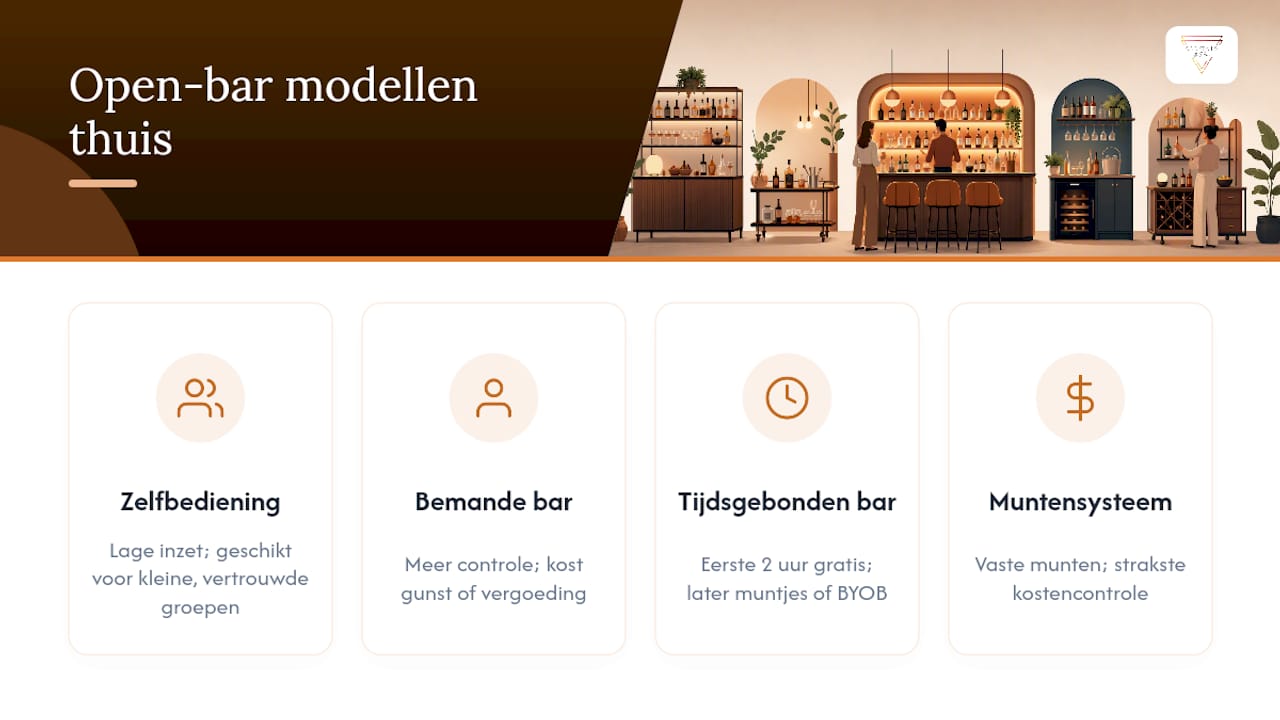
The honesty bar or self-service bar is the most common form. You set out bottles, glasses, and mixers, and guests help themselves. This works perfectly for a dinner party or birthday with people you know and trust. The risk: without supervision, one person might pour themselves a double vodka-tonic, while another politely takes a glass of wine.
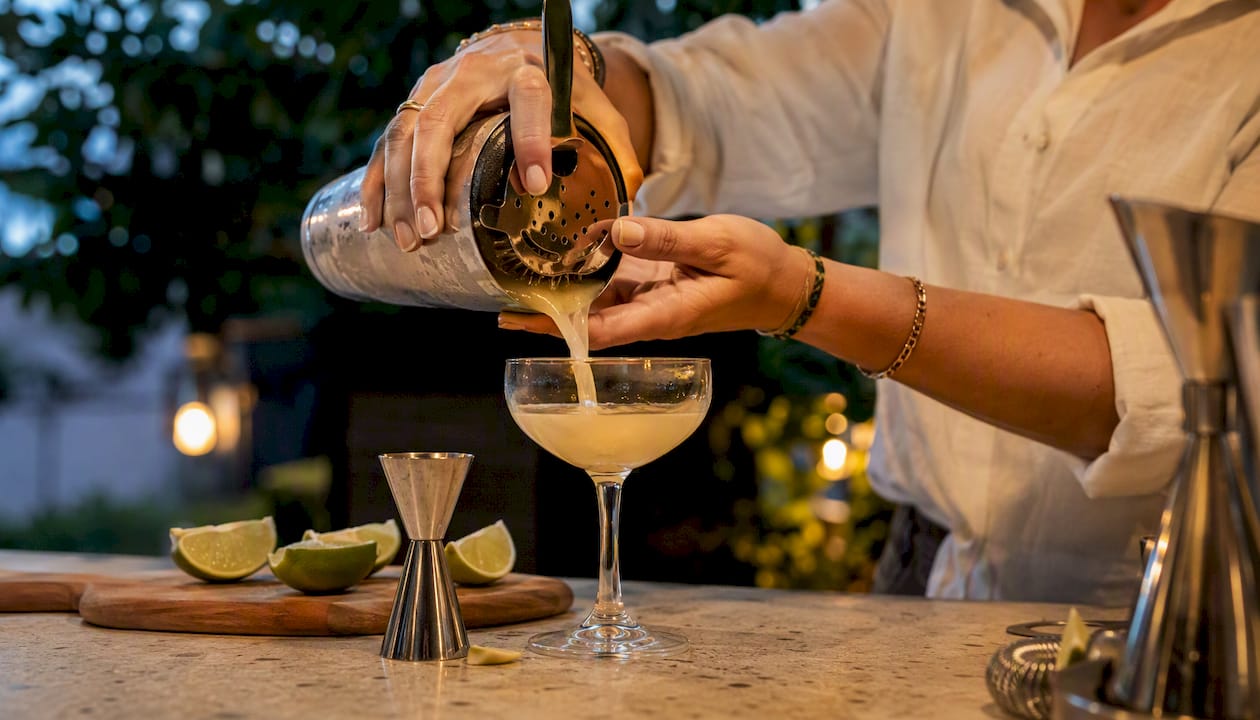
A staffed bar with a friend, family member, or hired bartender behind the tap provides more control over quantities and pace. This costs you a favor or a fee, but saves you worries about who is drinking too much and prevents the bar from looking like a battlefield after an hour.
The time-limited open bar is a compromise often seen at larger parties and business events: for the first two hours, everything is free, then you switch to tokens or "bring your own bottle." For event venues, this is a common approach to regulate alcohol consumption, and that logic works just as well in your own living room.
Finally, there's the drink token system, where guests receive a fixed number of tokens upon arrival. This provides the tightest cost control but feels less hospitable and requires more organization than the other models.
For a cozy dinner with eight people, self-service is usually the best choice. As soon as you move towards twenty or more guests, a time-limited bar or token system gains value, simply because the chance of waste and overconsumption grows with the group.
What should be in an at-home open bar?
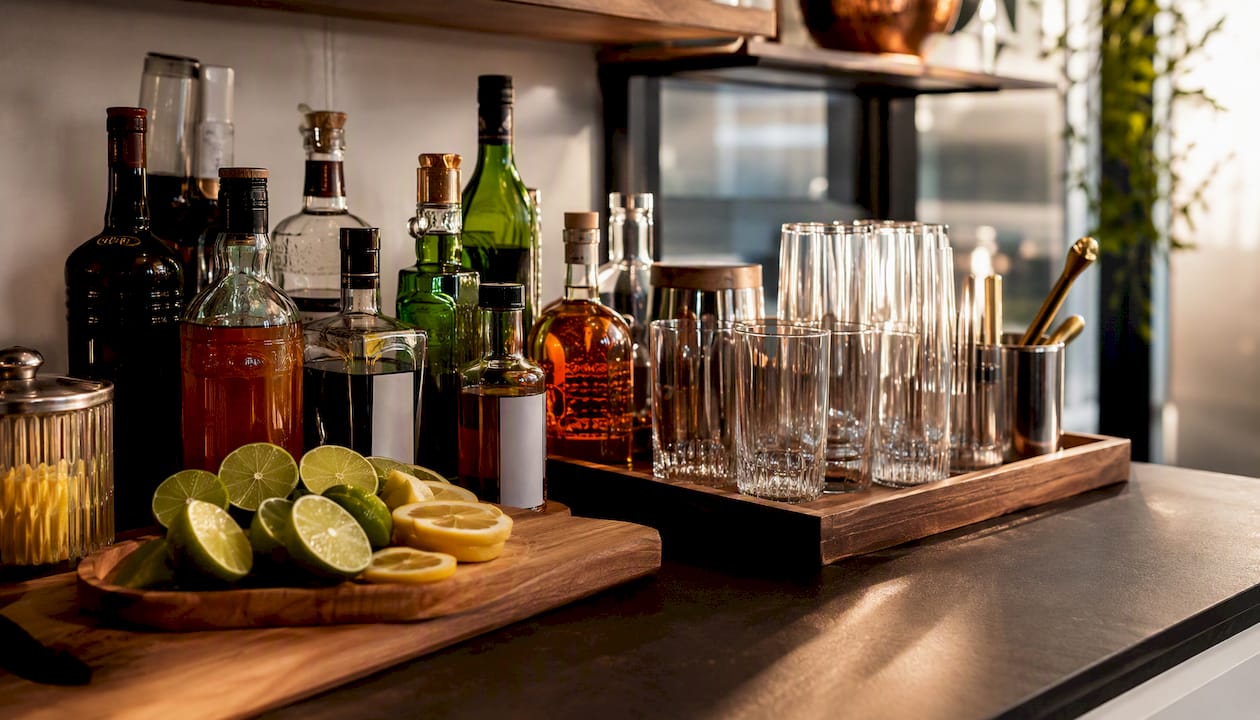
A functional home bar doesn't have to be overflowing. Four good basic bottles and the right tools are enough to serve a large portion of classic cocktails and simple long drinks.
Basic drinks:
- Beer (a lager and possibly a craft beer)
- White and red wine, plus possibly a rosé in summer
- Two spirits: for example, gin and whiskey, or vodka and rum
- Vermouth for classics such as the Negroni or Manhattan
- A liqueur or amaro for variation, such as Aperol or Campari
Mixers and non-alcoholic options:
- Tonic, cola, and ginger beer
- Sparkling water and still water
- Fresh citrus: lime and lemon
- Syrup, such as simple syrup or grenadine
- A few ready-made non-alcoholic cocktails so that non-drinkers aren't left with just soft drinks
Equipment and accessories:
- Glassware: a rocks glass, a highball glass, and a tumbler cover most needs
- An ice bucket with sufficient ice, and if possible, extra cooling in a cooler
- Measuring cups or a jigger for accurate pouring
- A shaker and a bar spoon
- A small cutting board, a sharp knife, and plenty of napkins
For an initial setup, a short list suffices: two bottles of spirits, one bottle of vermouth, tonic and cola, fresh lemons and limes, ice, a shaker, and a jigger. That's enough to serve eight to ten people for an entire evening without having to run to the liquor store halfway through.
How much alcohol do you need, and what does an open bar at home cost?
As a rule of thumb, count on approximately one drink per guest per hour, divided among beer, wine, and spirits. This provides a rough guideline for purchasing drinks for your party, tailored to the duration and preferences of the guests.
These figures are indications, not exact science. Groups with many non-drinkers or many wine lovers will quickly deviate, so tailor your purchases to who you invite.
Pro-tip: Always buy ten to fifteen percent more than your calculation suggests, but choose bottles that you will also drink yourself later. Any surplus is then never wasted. Additionally, work with pre-batching: mix large quantities of your signature drink beforehand in a pitcher or bottle, so you don't keep mixing during the party and the quality per glass remains consistent.
How to set up your home bar practically and invitingly
The location where you set up the bar largely determines how enjoyable the evening will be. A corner where no one passes by will be ignored. A bar between the kitchen and the seating area, or a movable bar cart in the middle of the room, naturally attracts people.
- Choose a central location. Avoid cramped corners; choose a spot with room to move on at least two sides to prevent congestion.
- Divide the bar into zones. Bottles and glassware are at eye level, ice and tools below, so you can quickly refill without moving everything.
- Prepare mise-en-place in advance. Slice citrus, fill the ice bucket, and arrange garnishes in small bowls before the first guest arrives. Practical mise-en-place prevents bottlenecks and keeps the process social instead of stressful.
- Place a small sign or card with the rules. For example: "open bar until midnight, then bring your own" or simply the three signature drinks of the evening.
- Monitor the stock during the party. Refill bottles and ice every hour instead of waiting until everything is gone.
Pro-tip: Set aside a small crate or bucket for empty bottles and cans. This prevents your bar from looking like a pawn shop after two hours, and cleanup afterwards will be three times faster.
Choose 3 to 4 signature drinks and work with ready-made options
A common mistake with a home bar is wanting to offer too many cocktails. Limit yourself to three or four signature drinks: guests appreciate a few well-executed classics more than a long menu of complicated recipes you don't know by heart flawlessly anyway.
A simple menu that works for almost any occasion:
- Classic: a Gin & Tonic or Negroni, easy to build and widely loved.
- Sparkling long drink: an Aperol Spritz or Moscow Mule, refreshing and light for summer or a get-together.
- Non-alcoholic mocktail: a fresh combination of citrus, syrup, and sparkling water, so non-drinkers aren't forgotten.
For those who don't have the time or desire to mix themselves, there are now excellent pre-batched and ready-to-drink options that deliver bar quality without the hassle. You simply pour them and serve them chilled, which is especially convenient during peak moments at a party.
Pro-tip: Serve cocktails at the right temperature: long drinks with plenty of ice, cocktails without ice should be pre-chilled ice-cold in the fridge or shaker. A mint leaf, a slice of citrus, or a peel twist takes ten seconds and makes any drink a little more appealing.
Smart alternative: ready-made cocktails for those who don't want to lose time
Not everyone has the desire, time, or experience to mix themselves, and that's exactly where Cocktailsbynina comes in. The range includes ready-made cocktails, mocktails, and cocktail boxes, made with premium ingredients and ready to serve immediately.
This works particularly well in a few situations:
- Small dinner: you want to impress without having to stand behind the shaker halfway through the main course.
- Gift: a cocktail box as a gift is more personal than a bottle of wine and requires no preparation from the recipient.
- Busy reception: with twenty people at the bar, consistent quality is more important than an impressive cocktail menu that no one gets on time.
A cocktail box with multiple variations immediately gives you a diverse offering without you having to stock ten bottles yourself. For those who prefer to build their own but still seek some structure, Cocktailsbynina also offers practical tips for bar quality at home.
Safety and responsibility at an open bar at home
An open bar at home requires a little more responsibility than a regular gathering, simply because no one is tracking consumption. A few simple measures prevent most problems.
- Always visibly provide water and snacks; an empty stomach significantly accelerates the effects of alcohol.
- If in doubt about age, check discreetly, for example, upon entry instead of only at the bar itself.
- Make non-alcoholic options just as appealing as alcoholic ones, so non-drinkers don't feel excluded.
- Pay attention to signs of excessive drinking: slurred speech, unsteady gait, repeatedly and quickly refilling drinks.
- Address someone kindly and offer water instead of ignoring it.
- Set a limit for yourself on how much hard liquor you offer, especially for a longer evening without a time limit.
These measures cost you nothing, but they determine whether the evening remains enjoyable or goes off the rails.
Alternatives to a full open bar and ways to manage your budget
A full open bar is not always the best choice, especially for a larger party or a tighter budget. A few alternatives are just as hospitable, but with more control over costs.
- Drink tokens: each guest receives a fixed number of tokens, which pre-sets the costs.
- Limited open bar hours: for example, free drinks only for the first two hours, then a token system or bring your own bottle.
- Beer and wine only: spirits cost significantly more per glass than beer or wine, so offering only these significantly limits expenses.
- A mocktail station as the main offering: with a few alcoholic options alongside for those who want them.
To avoid surprises, calculate a realistic scenario in advance based on the number of guests and the duration of the party, keep a small stock buffer for outliers, and inform guests about the model beforehand. No one feels short-changed if the rules are clear from the start.
Tips for inviting and informing guests
Confusion during the party usually arises because guests don't know what to expect beforehand. Briefly state in the invitation what model you're using: "open bar until midnight," "bring your own bottle after the first round," or simply "full open bar all evening." This prevents disappointment and gives guests the chance to bring something if needed.
Also mention if there are non-alcoholic options, so that non-drinkers know they have been considered. A short message like "we also have delicious mocktails" often works better than only revealing it on the spot. For a larger party, a small sign at the bar itself, listing the evening's signature drinks and any time arrangements, is helpful.
Cleanup and Waste Management After the Open Bar
Afterward, your preparation during the evening determines how much work cleanup will entail. Therefore, set up a separate bin beforehand for empty bottles and cans, and a second one for other waste such as napkins and straws. Keeping glass, cardboard, and residual waste separate will save a lot of sorting work afterward.
Rinse glassware immediately after use if you want to reuse it right away, and place the rest in a bin with warm water to wash all at once later. Leftover bottles with a little content can easily be stored for another time, as long as they are properly sealed. It's better to throw away fruit and garnishes that are no longer fresh immediately, even if it feels like a waste after a successful evening.
Decoration and Mood Lighting for a Cozy Home Bar
Atmosphere makes the difference between a table with bottles and a real home bar. Small fairy lights around the bar, a few tea lights, or a dimmable lamp create warmth without it becoming a light show. Combine this with background music at a low volume so conversations are not drowned out.
A few plants, a wooden tray for the bottles, or a tablecloth with a clear theme immediately give the bar more appeal. Place garnishes like citrus slices and mint leaves in small glass dishes; this looks neat and is functional at the same time. For more inspiration on presentation and atmosphere at home parties, you can draw from ideas about creating a complete drink experience.
Why a Well-Thought-Out Home Bar Makes a Difference
A home bar doesn't have to be perfect to work well. The bars that are actually used are rarely the most expensive or largest; they are the bars where someone spent twenty minutes preparing beforehand. Four good bottles, sharp ice, and a few well-chosen garnishes do more than a cabinet full of drinks that are never touched.
Start small. Choose a few drinks you like, practice once with friends before using it for a larger party, and only expand when you notice what is actually being used. Hospitality is not about the number of bottles, but about how easy you make it for guests to pour themselves something delicious without you having to stand behind the bar all evening.
Complete Package from Cocktailsbynina for an Effortless Evening
Do you want an open bar at home without spending hours mixing yourself or stocking four types of liquor? Cocktailsbynina's cocktail boxes provide you with a varied selection of bar-quality cocktails in one order, ready to serve immediately.
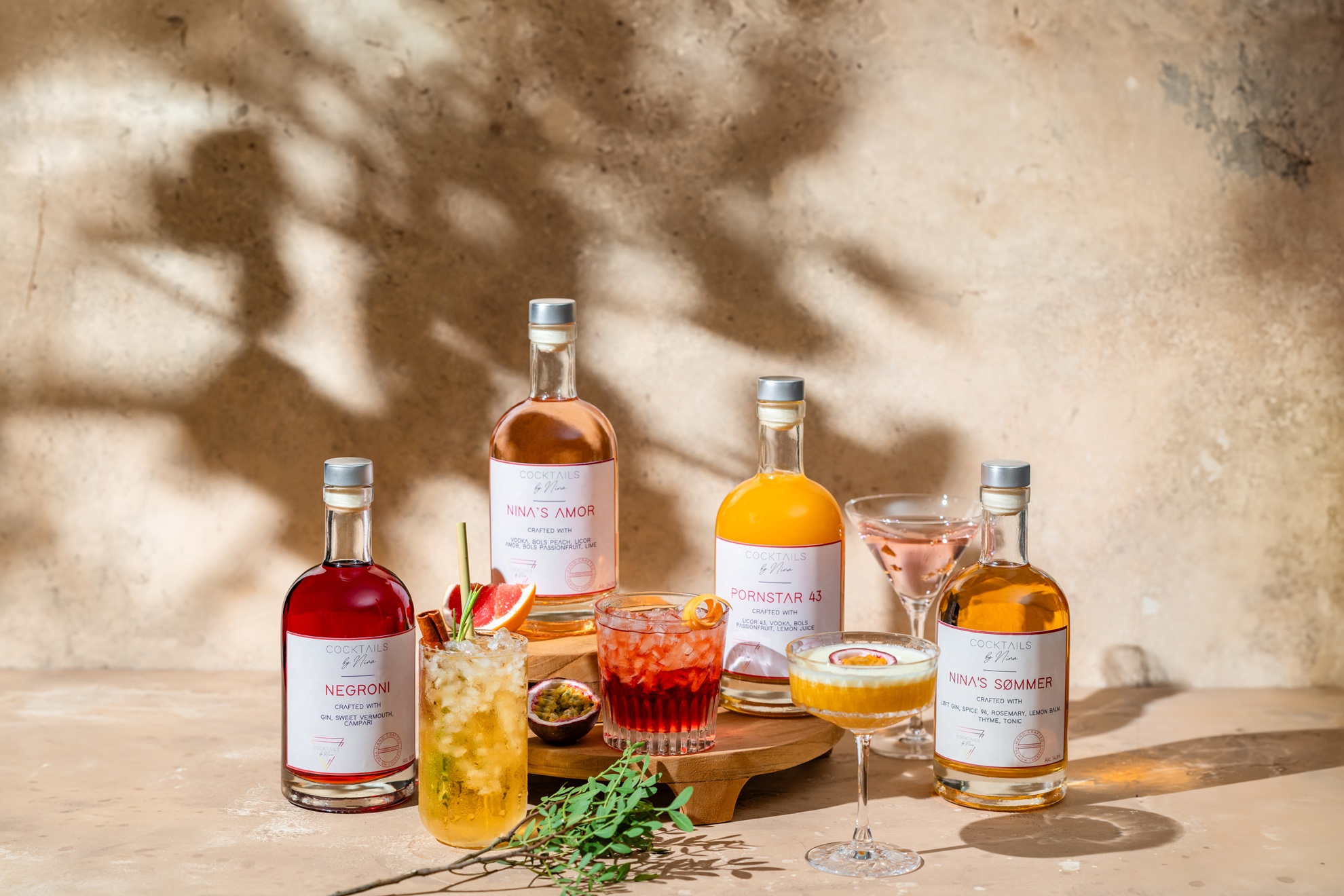
For a small dinner, the cocktail box with two pieces is sufficient for a tasting. If you are organizing a reception with more guests, the cocktail box with six pieces offers enough variety to keep everyone happy without you having to pour and mix yourself. If you also want to cater well to non-drinkers, then choose ready-made mocktails that look just as well-presented as the alcoholic variants.
Browse the assortment and order your package well before your next party, so the bar is ready when the first guest arrives.
Frequently Asked Questions about an Open Bar at Home
What exactly is an open bar at home? An open bar at home is a self-service bar where guests serve themselves drinks by the glass without paying, usually with pre-arranged rules about duration or budget.
How much alcohol do you need for an open bar at home? Count on about one drink per guest per hour, divided among beer, wine, and spirits, and buy an extra ten to fifteen percent as a buffer.
Is an open bar at home more expensive than offering drinks separately? That depends on the model. A fully unlimited open bar all evening costs more than a time-limited variant or a system with drink tokens.
What are good alternatives to ready-made cocktails for an open bar at home? Ready-made cocktails and mocktail boxes from Cocktailsbynina save time and provide consistent quality without you having to mix yourself, which is especially useful for larger groups.
How do you prevent excessive drinking during an open bar at home? Visibly place water and snacks, make non-alcoholic options as appealing as alcoholic ones, and friendly address guests at signs of excessive drinking.
Sources
Those who want to delve deeper into specific components of a home bar will find practical additions to the above in these sources.
- Best pre-batched cocktail recipes (PartyTrick)
- Your guide to pre-batching cocktails (Anthony Gladman)
- How much drink do you calculate for an evening party? (Stadslab Groningen)
- How to create the perfect home bar (VT Wonen)
- Definition ‘open bar’ (Langeek dictionary)