Demi-sec is a semi-sweet sparkling wine with a residual sugar content of 32–50 grams per liter, as defined by European wine classification. This places it precisely between dry styles and the distinctly sweet Doux category (more than 50 g/l). Cocktails with demi-sec benefit from this position: the wine adds sweetness without requiring extra syrup, while its high acidity and bubbles keep the drink fresh and vibrant.
What distinguishes demi-sec from its neighbors on the sugar scale:
- Brut Nature: 0–3 g/l, virtually no residual sugar, crisp and dry
- Extra Brut: up to 6 g/l, taut and mineral
- Brut: up to 12 g/l, the most popular dry style
- Extra Dry / Extra Sec: 12–17 g/l, slightly rounder than brut
- Sec: 17–32 g/l, noticeably sweeter than the name suggests
- Demi-sec: 32–50 g/l, semi-sweet with fresh acidity
- Doux: more than 50 g/l, distinctly sweet
Well-known demi-sec drinks include demi-sec champagne, demi-sec cava, and similar semi-sweet sparkling wines from other regions. They all share that characteristic interplay of sugar and acid that adds depth to cocktails without making them heavy.
Pay attention to labels: the term “sec” sounds dry, but contains more sugar than brut. If you're looking for demi-sec for cocktails, always check the sugar content in grams per liter, not just the name.
Table of Contents
- Popular cocktails you can make with demi-sec sparkling wine
- How to intelligently use demi-sec in cocktails?
- Where does demi-sec come from?
- Cocktailsbynina: ready-made quality for home
- Key insights
Popular cocktails you can make with demi-sec sparkling wine
Demi-sec champagne and demi-sec cava are more versatile than most home mixologists realize. Their semi-sweetness acts as a built-in balance: you need less additional sugar, and the bubbles give every cocktail a festive texture. Below are seven recipes that demonstrate this well, from classic to surprising.
1. Demi-sec Bellini
Purée ripe white peaches and strain the juice. Pour two tablespoons of peach purée into a chilled champagne flute and top with cold demi-sec cava. Do not stir, but gently mix by the rising bubbles. The sweetness of the peach and the demi-sec enhance each other, but the acidity keeps it light.
2. French 75 with a demi-sec twist
Shake 40 ml gin, 20 ml lemon juice, and a small dash of simple syrup with ice. Strain into a flute and top with demi-sec champagne. Because the champagne is already sweet, you use less syrup than in the classic recipe. The result is sharper and more elegant.
3. Aperol Spritz with demi-sec cava
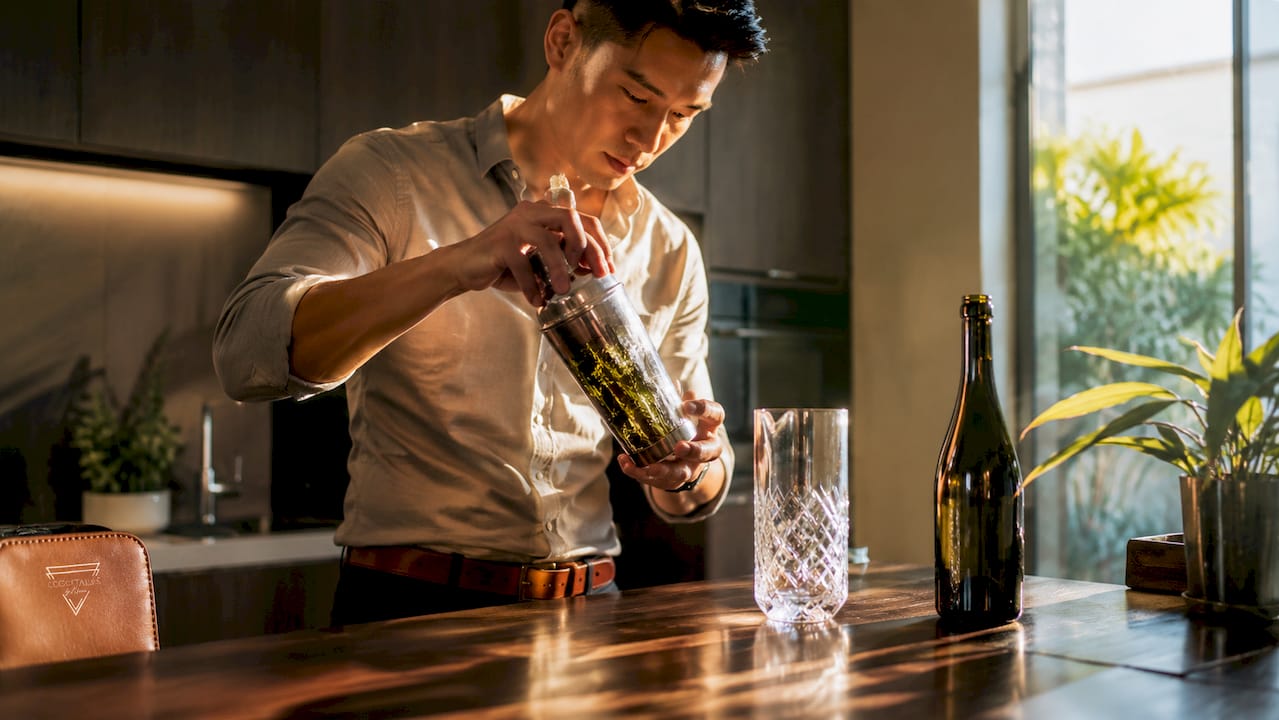
Replace Prosecco with demi-sec cava for a fuller, slightly richer version of the classic spritz. Fill a large wine glass with ice, pour 60 ml Aperol and 90 ml demi-sec cava, and add a splash of sparkling water. The bitterness of Aperol and the semi-sweetness of the cava complement each other perfectly. Garnish with an orange slice.
4. Elderflower Royale
Pour 20 ml elderflower liqueur (like St-Germain) into a chilled glass and top with demi-sec champagne. That’s all. The floral notes of the liqueur align with the candied citrus aromas that demi-sec naturally has from its lees aging. No extra sugar, no extra acid needed.
5. Demi-sec Mule
Mix 40 ml vodka with 15 ml lime juice in a copper mug with ice. Top with demi-sec sparkling wine instead of ginger beer. The wine's semi-sweetness takes over the role of ginger beer, with less sharpness but more elegance. Add a few mint leaves for freshness.
6. Kir Royale with demi-sec
Classically, Kir Royale is made with brut champagne and cassis syrup. If you use demi-sec, you can halve the amount of cassis syrup: the wine already provides enough sweetness. Pour 15 ml crème de cassis into a flute and top with chilled demi-sec champagne. Fresher, less heavy, and easier to balance.
7. Citrus Royale with demi-sec cava
Squeeze half a blood orange and mix the juice with a few drops of Angostura bitters. Pour into a chilled glass and top with demi-sec cava. The bitters cut through the sweetness, the citrus enhances the fruity notes of the cava. A cocktail that impresses with just three ingredients.
For more inspiration on cocktails without complicated recipes, there are plenty of ways to use demi-sec as a base.
How to intelligently use demi-sec in cocktails?
The sugar content of demi-sec is not an afterthought; it's your tool. Bartenders read the sugar category on the label as a direct guideline: the sweeter the base wine, the less extra sugar or syrup the cocktail needs. With demi-sec (32–50 g/l), you can halve or even omit the syrup in most recipes. This makes the cocktail lighter and the flavors clearer.
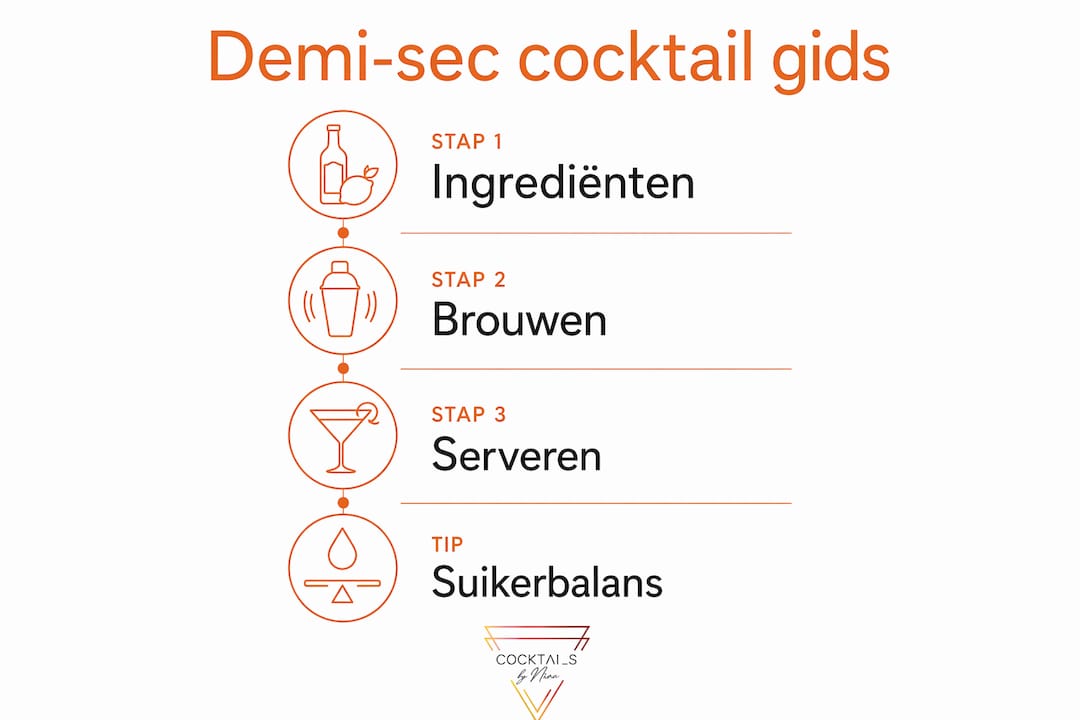
Acidity plays an equally important role. Demi-sec combines its sugar with high natural acidity, preventing it from tasting syrupy. This acidity is also why demi-sec pairs well with spicy ingredients: the sweetness softens the heat, and the acidity keeps it fresh. Sommeliers have long pointed out that demi-sec pairs surprisingly well with spicy and savory flavors, not just desserts.
Pro-tip: Always add demi-sec last to a cocktail, just like any other sparkling wine. Never stir, but let the bubbles do the mixing. This preserves the texture and lift that demi-sec gives to a cocktail.
Demi-sec is not a 'failed' sweet wine but a style with high acidity and fruity notes that combine surprisingly well with spicy and complex cocktails.
The aromas of demi-sec also deserve attention. Due to the sugar dosage and longer aging on lees, many demi-sec champagnes develop notes of brioche, honey, and candied citrus. This depth makes the ingredient more interesting than a simple sweet addition. Pair it with ingredients that pick up these notes: elderflower, apricot, vanilla, or light herbs.
Glassware and serving temperature
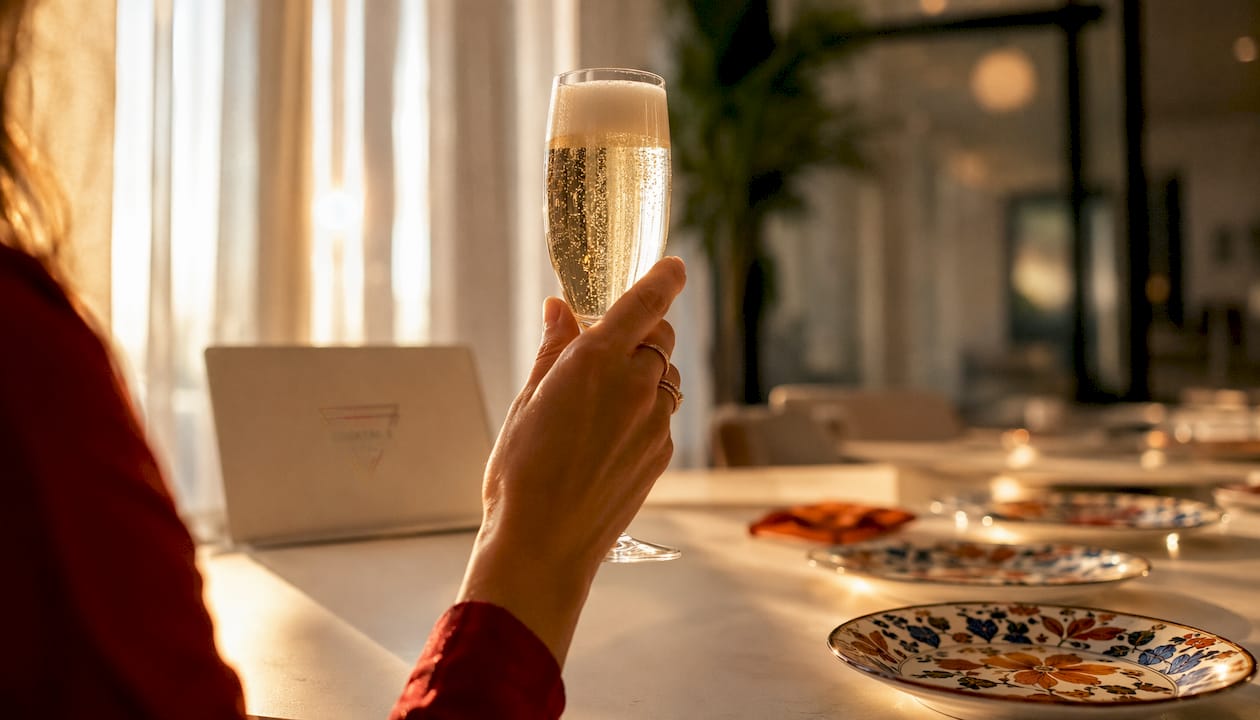
Serve demi-sec cocktails in a flute or a tulip-shaped champagne glass. The narrow opening keeps the bubbles intact longer and concentrates the aromas. A wide coupe allows the carbonation to escape more quickly, compromising the texture. Serving temperature: 6–8 °C. Colder than that dulls the fruity notes; warmer, and the sweetness becomes heavy.
Making your own demi-sec syrup
Want the taste of demi-sec in a cocktail without the bubbles? Reduce demi-sec champagne or cava over low heat to half its volume and add an equal amount of sugar. The result is a syrup with the characteristic fruity and slightly yeasty notes of the wine, usable in shaken cocktails or as a sweetener in mocktails. More on the role of syrups in cocktails will help you refine this technique further.
Demi-sec also pairs well with food. A lemon cake alongside a glass of demi-sec champagne shows how the wine's acidity balances the sweetness of the pastry, precisely the same principle that works in cocktails.
Where does demi-sec come from?
The term demi-sec is French and literally means “half-dry,” although the name doesn't fully capture its essence: in practice, it's more semi-sweet than semi-dry. The style has its roots in the French champagne tradition, where winemakers in the nineteenth century experimented with different sugar dosages after secondary fermentation. Champagne was much sweeter in that period than it is now, and demi-sec was then one of the most popular styles at European courts.
The European Union later standardized the classification for all sparkling wines, from champagne to cava and sekt. As a result, demi-sec is found today not only in the Champagne region but also in Spain (demi-sec cava), Germany (halbtrocken), and other wine regions. The term "trocken" in German sounds dry but contains 17–32 g/l of sugar, which is more than brut. This kind of terminological confusion is precisely why the official residual sugar value on the label is paramount, not just the name.
Cava demi-sec from Spain is often a more accessible and affordable alternative for home mixologists to demi-sec champagne, with similar fruity and slightly yeasty notes. For cocktails, the difference in origin matters little: what counts is the sugar content and acidity, and these are in the same range for both.
Cocktailsbynina: ready-made quality for home
Making demi-sec cocktails yourself is fun, but not always what you want when expecting guests or simply wanting to enjoy a drink quickly. Cocktailsbynina offers bar-quality cocktails that you can serve directly at home, without measuring, mixing, or mishaps.
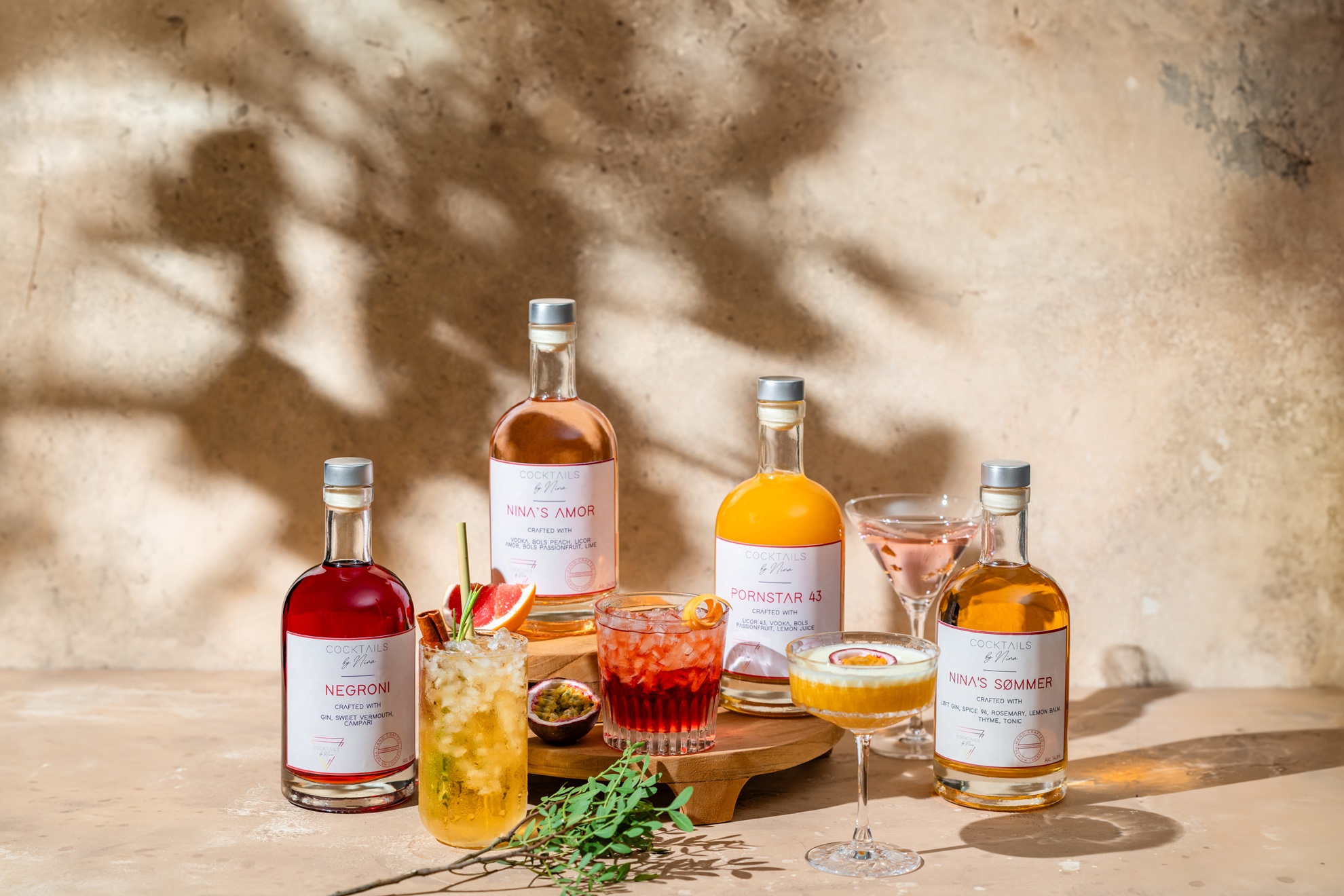
The assortment includes fresh, fruity cocktails with the flavor profiles that home mixologists seek in demi-sec: lightly sweet, lively, and well-balanced. The ready-made cocktail boxes are available in sets of two, four, and six, ideal for a tasting at home or as a gift. Those who prefer non-alcoholic options will find the same attention to balance and flavor in the non-alcoholic cocktail collection. View the selection at cocktailsbynina.com and order directly for home delivery.
Key insights
Demi-sec is the semi-sweet sparkling wine style with 32–50 g/l residual sugar that gives cocktails sweetness, freshness, and bubbles without requiring extra syrup.
| Point | Details |
|---|---|
| Demi-sec residual sugar content | Officially 32–50 grams per liter, as defined by European wine classification. |
| Less syrup needed | Due to the inherent sweetness of demi-sec, you can halve or omit the syrup in most cocktail recipes. |
| Acidity as key | High natural acidity prevents demi-sec from tasting syrupy and keeps cocktails fresh and lively. |
| Serve at 6–8 °C | Colder temperatures dull fruity notes; warmer temperatures make the sweetness heavy. Use a flute or tulip-shaped glass. |
| Cocktailsbynina | Offers ready-made cocktails with similar flavor profiles, available for direct home delivery. |