Choose two or three simple recipes with different basic spirits, plus one mocktail for non-drinkers. Batch them in advance and only add sparkling mixers like soda water just before serving. If you don't want to spend any time on shakers and measuring cups, a ready-made cocktail box from Cocktailsbynina is the quickest route to a successful party.
In short:
- For a small four-hour party, count on approximately 27 to 30 cocktails for six guests, including an extra margin of 10 to 15 percent.
- Batch strong and non-carbonated cocktails like sangria and negroni a day in advance and add sparkling ingredients just before serving.
- Use large glassware and provide an organized garnish station with fresh mint, lime, and orange slices for a professional look.
- A ready-made cocktail box offers a quick solution, suitable for small gatherings and non-drinkers, and avoids long preparation times.
- Consider using few ingredients for the most popular cocktails and adapt recipes to seasonal ingredients and available glassware.
Table of Contents
- Six cocktail recipes for small groups that you can make in advance
- How many cocktails do you make for your guests and how to batch smartly?
- What glass and what garnish make the difference?
- What tools do you really need to make cocktails?
- How to make a mocktail that looks as festive as a cocktail?
- How to stay responsible with alcohol during a small party?
- Which classic cocktails can you adapt for a small group?
- How do you adapt cocktails to the season?
- Why preparation makes the biggest difference
- When is a ready-made cocktail box smarter than mixing yourself?
- Sources
- Frequently Asked Questions
Six cocktail recipes for small groups that you can make in advance
For an evening with four to eight guests, you don't need twenty recipes. You need a few strong choices that are easy to scale up and won't fall apart after an hour in the fridge. The six below together offer a complete range: fresh, strong, fruity, and alcohol-free.
- Sangria or punch – red wine, orange juice, a splash of brandy, and plenty of fresh fruit. Mix everything in a large pitcher and let it steep for at least two hours for more flavor.
- Aperol Spritz – three ingredients (Aperol, prosecco, sparkling water) in a 3:2:1 ratio, so no precision work. Build it in the glass, not in the pitcher, otherwise, it will lose its bubbles.
- Mojito in batch – muddle mint and lime separately and keep that juice separate from the rum. Mix rum, lime juice, and sugar syrup in advance, but only add the mint and soda water when serving.
- Negroni – gin, Campari, and red vermouth in equal parts. This cocktail contains no sparkling ingredients and is therefore excellent for full pre-batching, even a day in advance.
- Moscow Mule – vodka, lime juice, and ginger beer. Serve it in a copper mug if you have one; that cools faster and looks more festive than a regular glass.
- Fruity mocktail punch – soda, fresh fruit, and mint in a large dispenser, so guests can serve themselves.
Consciously choose a spread in taste and strength. A common rule of thumb is to combine two to three different alcohol bases, such as gin, rum, and vodka, so that with a small number of recipes, you can still please everyone.
Pro-tip: Test each recipe in a small quantity first before scaling up to a full pitcher. Proportions that work in a single glass sometimes turn out differently when you multiply them by ten.
How many cocktails do you make for your guests and how to batch smartly?
Count on two to three cocktails per person in the first two hours, and then about one cocktail per hour. For a four-hour party, this amounts to about four to five cocktails per guest. Add an additional 10 to 15% margin, because something is always lost to spilled drinks or guests who drink a little more than planned.
Here's how to tackle it specifically:
- Determine the number of guests and the duration of the party. For 6 guests during four hours, count on approximately 27 to 30 cocktails in total.
- Translate that into bottles. For a mojito with a standard amount of rum per glass, for 6 guests, you'll need about one bottle of rum; for 10 guests, you'll need slightly more than one bottle.
- Batch the strong, non-carbonated cocktails in advance. A negroni or sangria without prosecco can be mixed a day in advance and stored chilled.
- Add bubbles at the last moment. Soda water, ginger beer, or prosecco are only added just before serving, otherwise, the fizz will be gone before the first guest tastes it.
- Store any leftovers correctly. Most batch cocktails will keep for about 24 hours in the refrigerator, as long as you keep the sparkling components separate.
If you want to delve deeper into the calculations, you will find a more detailed explanation in this article about cocktails for large groups and smart batching.
What glass and what garnish make the difference?
A cocktail only looks complete if the glass is right. An Aperol Spritz belongs in a large wine glass, a Moscow Mule in a copper mug or highball glass, and a Negroni in a sturdy tumbler glass with a large ice cube. Large ice cubes melt slower than crushed ice, meaning your drink dilutes less quickly and also looks more professional.
Set up a small garnish station with pre-packaged dishes: mint leaves, lime slices, orange peel, and a few cocktail picks. Briefly label each dish, which saves explanations during the party.
- Work with different heights on the table: a low fruit bowl next to a tall pitcher looks more appealing than everything flat side by side.
- Use dispensers with taps for batch cocktails to prevent pouring accidents.
- A simple sugar or salt rim along the glass immediately provides a bar experience; how to do that quickly can be read in this article on rim salt and sugar rim.
Pro-tip: Never place garnishes loosely among the bottles. One organized container per ingredient prevents guests from rummaging through everything.
What tools do you really need to make cocktails?
You don't need a full home bar for an evening with friends. The basics consist of a shaker, a jigger for measuring, a fine strainer, and an ice bucket. For small groups, large carafes and dispensers often work better than individual cocktail glasses per drink, simply because you don't have to continuously shake individually.
Plan your preparation in two blocks:
- Day of the party, during the day: cut fruit, wash mint, mix strong batch cocktails and put them in the fridge.
- One to two hours beforehand: set up ice, arrange glasses, set up the garnish station.
- Just before the first guest: prepare sparkling mixers next to the batches, so you only have to combine them.
Count on a generous amount of ice per guest for an evening of several hours, and store the supply in a cooler or extra bucket so your freezer doesn't run out.
How to make a mocktail that looks as festive as a cocktail?
Offer at least one non-alcoholic alternative and treat it with the same care as your alcoholic drinks. Research into cocktail parties shows that guests appreciate an attractive non-alcoholic alternative as much as a well-made cocktail, as long as the presentation matches.
- Virgin Mojito: lime, mint, sugar syrup, and soda water, built in the same glass as the real mojito.
- Refreshing mocktail punch: orange juice, cranberry juice, and ginger beer with plenty of ice and fruit, suitable for a dispenser.
- Sparkling raspberry mocktail: raspberry syrup with tonic and a mint leaf, beautiful in a champagne glass.
Label mocktails clearly and place them in their own spot on the table, to avoid confusion with the alcoholic versions.
How to stay responsible with alcohol during a small party?
Small-scale does not automatically mean under control. Precisely with an intimate gathering, the supervision often present at a large party is missing, and it's easier to pour a little more generously.
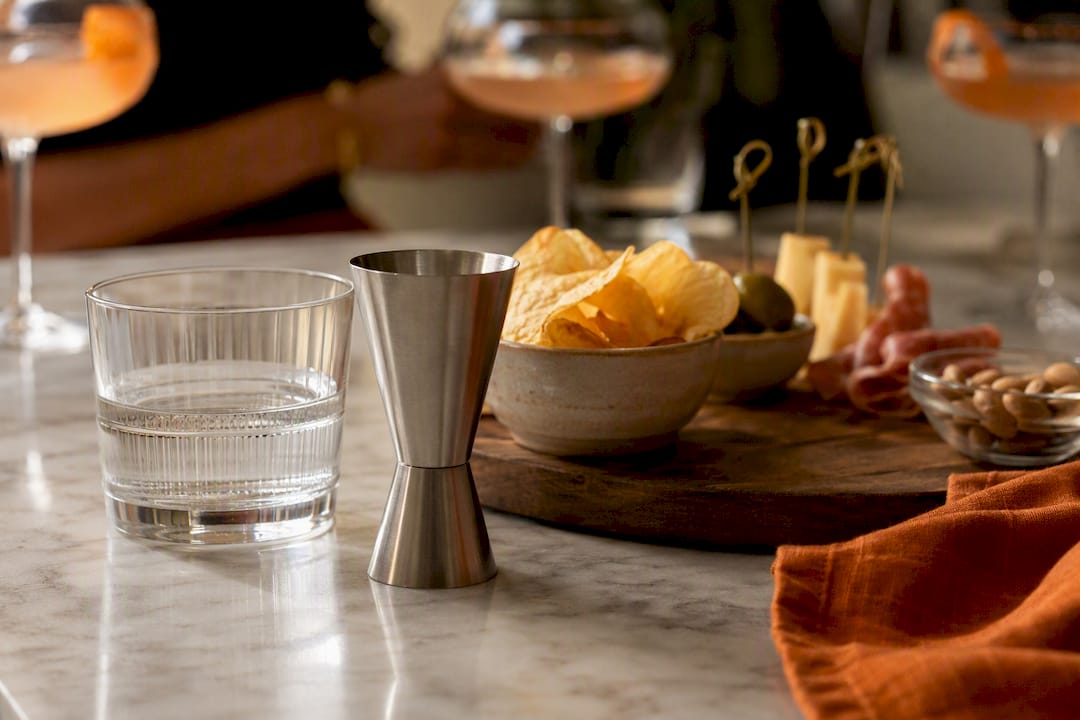
Make sure there's water and food alongside the cocktails. A bowl of crisps or a simple snack platter slows down alcohol absorption and keeps the evening pleasant instead of getting out of hand. Use fixed measurements with a jigger instead of pouring "by eye"; this prevents one cocktail from being twice as strong as another.
Consider underage guests if they are present. The NIX18 rule (no alcohol under 18) applies unconditionally to an informal dinner or birthday party: no alcohol for those under 18, and state this explicitly on your invitation or at the bar if there might be any doubt. Place mocktails visibly and easily accessible, so that younger guests and designated drivers can effortlessly grab a suitable alternative.
Also, plan a moment to stop pouring yourself towards the end of the evening. Put water and coffee on the table about two hours before the end, allowing guests to wind down gently instead of stopping all at once.
Which classic cocktails can you adapt for a small group?
Classics lend themselves perfectly to small adjustments that make them more suitable for home serving. You can extend a Negroni with prosecco to create a Negroni Sbagliato, making it lighter and more accessible for guests who don't fancy a heavy drink. A Whiskey Sour can easily be transformed into a batch-friendly version by omitting the egg white and replacing it with some extra lemon juice for acidity.
The Margarita is another classic that adapts well: mix tequila, lime juice, and agave syrup in advance in a bottle, and shake per glass with ice just before serving. This preserves freshness without the need for continuous measuring.
For those who prefer working with less alcohol, a diluted spritz variant is an excellent solution: replace part of the prosecco with sparkling water, allowing guests to enjoy longer without the evening becoming too heavy too quickly. Such small interventions make classic recipes more flexible without sacrificing flavor.
Also, change up the glassware to give a classic a new look. The same Moscow Mule looks different in a copper mug than in a regular highball glass, and such minor changes keep a familiar recipe interesting for guests who already know the classics.
How do you adapt cocktails to the season?
Seasonal ingredients make a cocktail more relevant and often cheaper, because you work with what is readily available. In spring, strawberries, rhubarb, and fresh mint work excellently in a light punch or an adapted mojito with strawberry puree.
In summer, the focus shifts to fresh, watery ingredients such as watermelon, cucumber, and citrus fruits, which pair well with gin or vodka in a long, refreshing cocktail. Autumn and winter call for warmer tones: apple, pear, cinnamon, and orange peel go well with dark rum or whiskey, and a lukewarm spiced punch is excellent for a winter dinner.
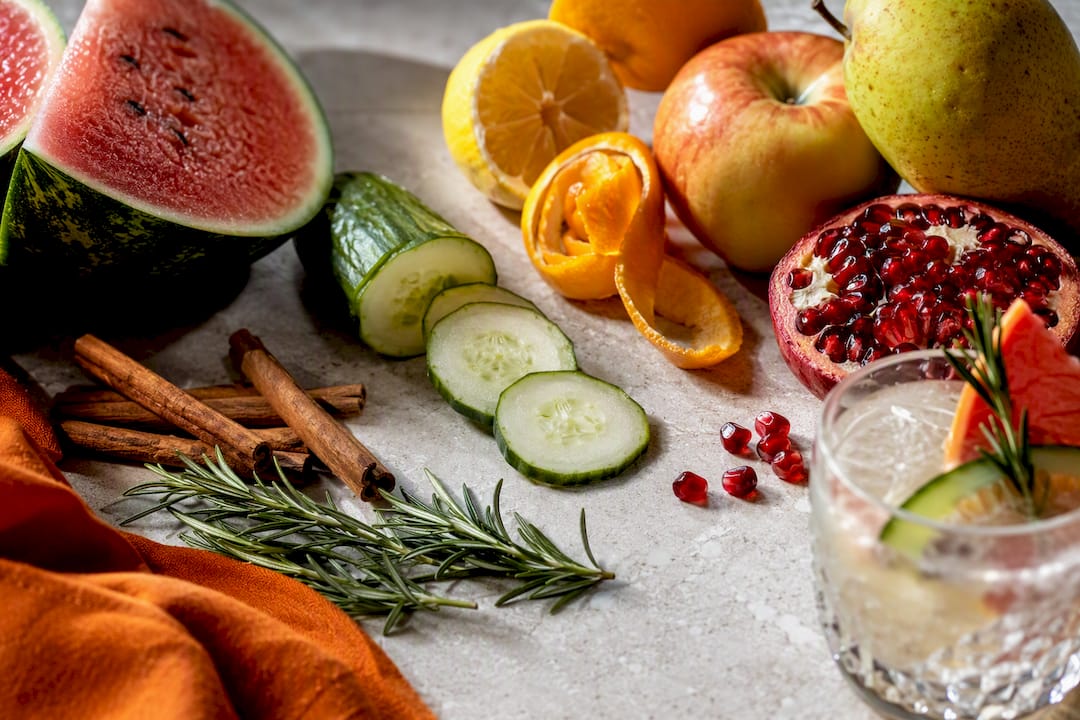
Also consider the garnish. A sprig of fresh rosemary or a slice of pomegranate requires little effort, but completely changes the appearance of a simple cocktail. Those who prefer not to experiment with seasonal variations themselves can find inspiration in the overview of summer cocktail recipes for every party.
Why preparation makes the biggest difference
Hospitality is about being present, not standing behind the bar. Those who batch their cocktails in advance are with their guests during the party instead of at the shaker. You can get that experience ready-made, and on various cocktail blogs, you'll find additional recipes and presentation tips for home use. I don't have hard figures on how much time batching saves at each party, that simply varies per situation. What is noticeable: the fewer actions you have to do yourself during the party, the more you enjoy it yourself.
— Ruud
When is a ready-made cocktail box smarter than mixing yourself?
Sometimes you don't have time to test six recipes, do groceries, and spend four hours in the kitchen before the party. There are providers that deliver ready-made cocktails and mocktails, ready to serve without a shaker, jigger, or recipe card.
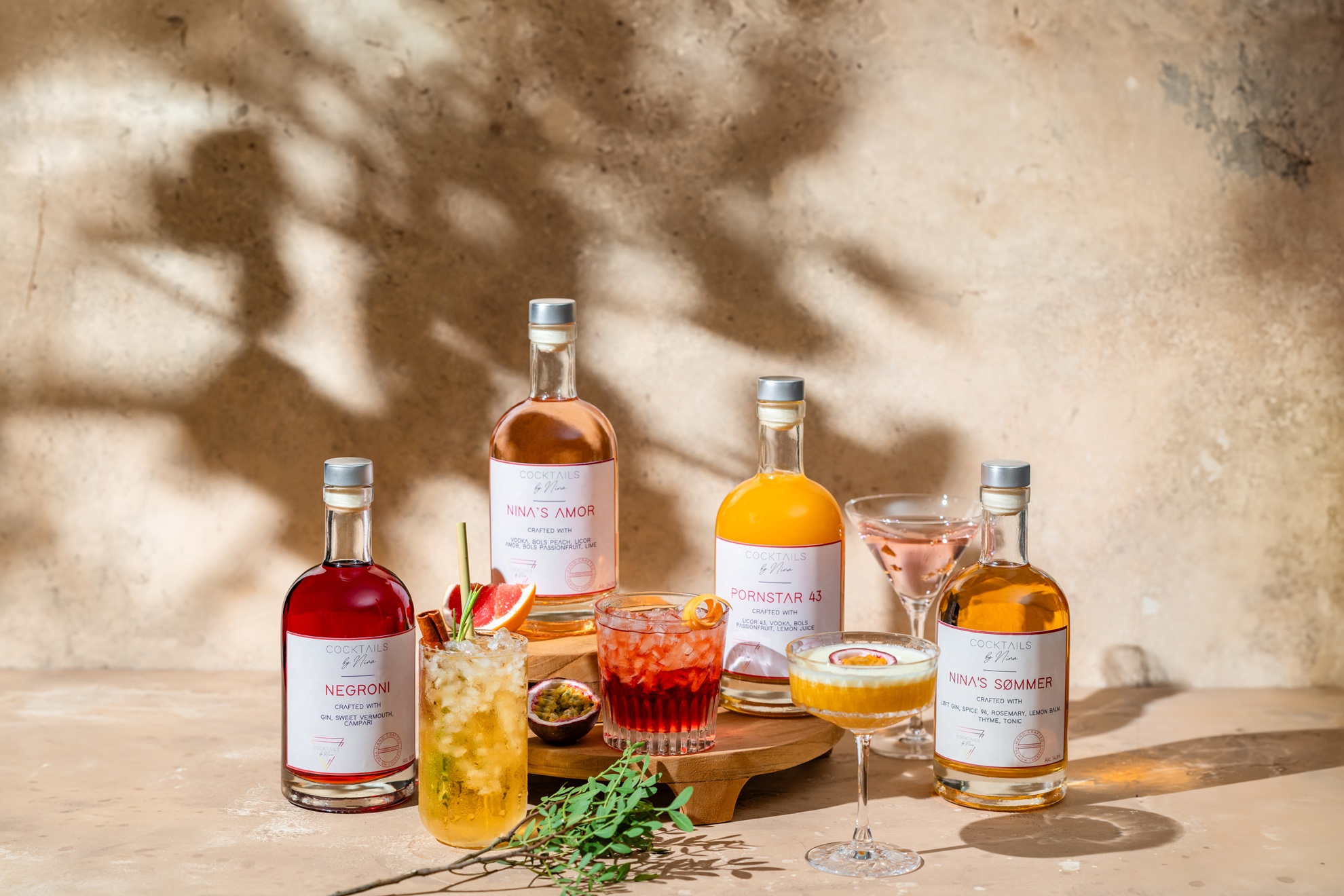
For a small gathering, the Cocktail Box with 4 pieces is a logical choice: enough variety for an evening without being left with half-empty bottles. If you also want to fully cater to non-drinkers, check out the collection of ready-to-drink mocktails, which offers the same presentation and depth of flavor as the alcoholic versions. Order your box in time for your party date, then on the evening itself, all you have to do is chill, pour, and garnish.
Sources
For more explanation about batching, presentation, and determining quantities, these articles are a good starting point: batch tips for large groups, creating a drink experience for home parties, and, for a fun evening with games, ideas for party games.
- How to prepare batch cocktails for large groups? - 24 ICE
- Cocktail Party guide - CocktailGuide
- What you need to know when organizing a cocktail party - Drankidee
Frequently Asked Questions
What are ten easy cocktails for a small party?
Consider Aperol Spritz, Mojito, Negroni, Moscow Mule, Margarita, Whiskey Sour, Sangria, Negroni Sbagliato, Cuba Libre, and a fruity punch. Choose four to six recipes from these, not all at once.
What are the most popular cocktails to serve?
Aperol Spritz, Mojito, Margarita, Moscow Mule, and Negroni consistently rank among the most requested cocktails at parties, especially because they require few ingredients and are well-suited for batching.
What is a fun and simple cocktail to make?
The Aperol Spritz wins on simplicity: three ingredients in a fixed ratio of 3:2:1, no shaker needed. Those who prefer to serve something ready-made without mixing themselves can also choose a prepared cocktail box.
Which cocktails are suitable for a party with friends?
A mix of refreshing (Mojito, Spritz), strong (Negroni, Whiskey Sour), and non-alcoholic (virgin Mojito or a fruity mocktail punch) covers most preferences for a small gathering.
How many cocktails should I make for six guests?
Count on approximately 27 to 30 cocktails for a four-hour party with six guests, based on two to three drinks per person in the first two hours and then about one per hour.