For an open day, choose a few clear cocktails, one of which can be made in a large batch, and pair them with high-quality mocktails. This way, you can serve quickly, the setup looks professional, and everyone can participate. Batch in advance and set up multiple service points to keep lines short. Always check IDs and have water ready.
In summary:
- To make 5 liters of punch, mix 1.3 liters of rum, 2 liters of pineapple juice, 1 liter of orange juice, and 0.7 liters of lime juice; only add ice per glass.
- Make syrups, purees, and tea in advance, test every recipe, and mix the drinks only on the morning of the event; chill everything and have the garnish ready.
- Assign specific tasks to volunteers in advance for mixing, pouring, inventory management, and hygiene; keep ice for cooling separate from ice for drinks.
- The minimum legal drinking age for alcohol is 18; do not give young people non-alcoholic versions of alcoholic drinks, and ask your local municipality about any licensing requirements.
Table of contents
- 1. Eight recipes volunteers can easily make
- How much should you make and how do you serve it quickly?
- How to prepare: purchasing, timing, and tasks
- Rules and safety: age, licensing, and hygiene
- What worked best in practice
- Ready-to-serve without the hassle
- Frequently asked questions
- Sources
1. Eight recipes volunteers can easily make
Below are five cocktails and three mocktails. All quantities are per serving of approximately 150 ml, with batch ratios for 1 liter and 5 liters. The recipes are intentionally simple: bar volunteers work best with short, easy-to-learn recipes and a prominent spot for mocktails on the menu.
- Prosecco bellini: 100 ml prosecco and 50 ml peach puree, stir gently in a flute and garnish with a peach slice; for 1 liter, use 650 ml prosecco and 350 ml puree, adding the prosecco just before serving.
- Fruity punch (batchable): 40 ml white rum, 60 ml pineapple juice, 30 ml orange juice, and 20 ml lime juice, pour over ice and garnish with an orange slice; for 5 liters, mix 1.3 liters of rum, 2 liters of pineapple juice, 1 liter of orange juice, and 0.7 liters of lime juice, only adding ice to the glass.
- Fresh mojito variant: 40 ml white rum, 20 ml lime juice, 15 ml sugar syrup, and 8 mint leaves; muddle briefly and top with sparkling water; for 1 liter, create a base of 400 ml rum, 200 ml lime juice, and 150 ml syrup, then top each glass with water and mint.
- Crowd-pleaser long drink: 40 ml vodka, 60 ml cranberry juice, and 20 ml lime juice, top with ginger beer; for 1 liter, use 350 ml vodka, 500 ml cranberry juice, and 150 ml lime juice, adding the ginger beer per glass.
- Simple gin long drink: 40 ml gin, 120 ml tonic, and a slice of cucumber; the 1-liter base contains only the gin, so pour per glass and let the guest choose their own garnish.
- Mocktail with fruit puree: 50 ml strawberry or raspberry puree, 15 ml lime juice, and 100 ml sparkling water; for 1 liter, mix 330 ml puree and 100 ml lime juice, then top up the glass. Non-alcoholic gin and tonic with bitters: tonic, non-alcoholic bitters, and a sprig of rosemary or a slice of grapefruit; prepare per glass with a set dosage.
- Virgin punch with rooibos: 100 ml chilled rooibos tea, 40 ml apple juice, and 20 ml lemon juice; for 5 liters, use 3.3 liters of tea, 1.3 liters of apple juice, and 0.7 liters of lemon juice.
Is an ingredient missing? Replace peach puree with peach juice and some mashed banana, non-alcoholic bitters with an extra citrus slice, and mint with basil. Want less sweet versions? You can find tips for replacing syrup in our sugar-free cocktails article.
Pro-tip: Measure the base mix with a measuring cup and store it in a labeled pitcher; this way, every punch tastes the same.

How much should you make and how do you serve it quickly?
For a tasting event, you can count on small sips per person. A full glass naturally requires more drink. Adjust the total amount based on the expected number of guests and portion size. Also, bring extra reserves.
- Tasting glasses or sample cups keep portions small and are easily rinsed or discarded after use.
- Long drink glasses or coupes provide a more festive look for standard cocktails.
- Bioplastic cups are practical for those serving outdoors or to large crowds.
- Put the batch in tap dispensers and set up multiple bar stations; keep one bar for special cocktails to ensure quality.
- Plan for plenty of ice and keep it in coolers separate from the drinking ice.
Rinse taps with clean water after each use. More about cooling management and quantities can be found in our practical guide to beverage logistics.
Pro-tip: Place the mocktails in a spot as prominent as the cocktails; otherwise, the line will get stuck at one bar.
How to prepare: purchasing, timing, and tasks
An open day stands or falls based on clear preparation. Follow this order:
- Well in advance: make a shopping list for spirits, mixers, syrups, fruit purees, garnish, ice, glassware, cups, and cleaning supplies, and order long-shelf-life items.
- Shortly before: boil syrups, make purees and tea, test every recipe, and adjust dosages.
- The morning of: batch the mixes, chill everything, set up the bars, and prepare the garnish.
- Division of tasks: assign fixed tasks for volunteers for batching, serving, inventory, and hygiene checks.
- Sweetness: when in doubt, choose the less sweet option and provide water and unsweetened tea alongside the mocktails.
Rules and safety: age, licensing, and hygiene
If you are serving alcohol, the Dutch Food and Consumer Product Safety Authority (NVWA) rules for alcohol sales apply: anyone under 18 cannot be served alcohol. Check with your municipality to see if you need a license or exemption, as this varies by location.
- Ensure a reliable age-verification system, for example, wristbands after checking an ID, as described in the hygiene instructions for events.
- As an organizer, you remain responsible for food and beverage safety; use the hygiene guidelines for events or your own HACCP plan.
- Do not serve non-alcoholic versions of alcoholic drinks to those under 18.
The Netherlands Nutrition Centre (Voedingscentrum) advises against serving non-alcoholic versions of alcoholic beverages to minors under 18 as a precaution. For younger guests, choose a fruit mocktail or a rooibos drink instead.
What worked best in practice
The best results came from an open day where we presented the mocktails just as nicely as the cocktails: same glasses, same garnish, a permanent spot on the menu. A "Happy Drinks" experience from Trimbos shows that such an attractive non-alcoholic offering increases acceptance. For a checklist regarding company parties, check out our cocktail formats.
— Ruud
Ready-to-serve without the hassle
Prefer less work for your volunteers? We supply cocktail boxes for tastings, ready-to-use mocktails, and suitable glassware.
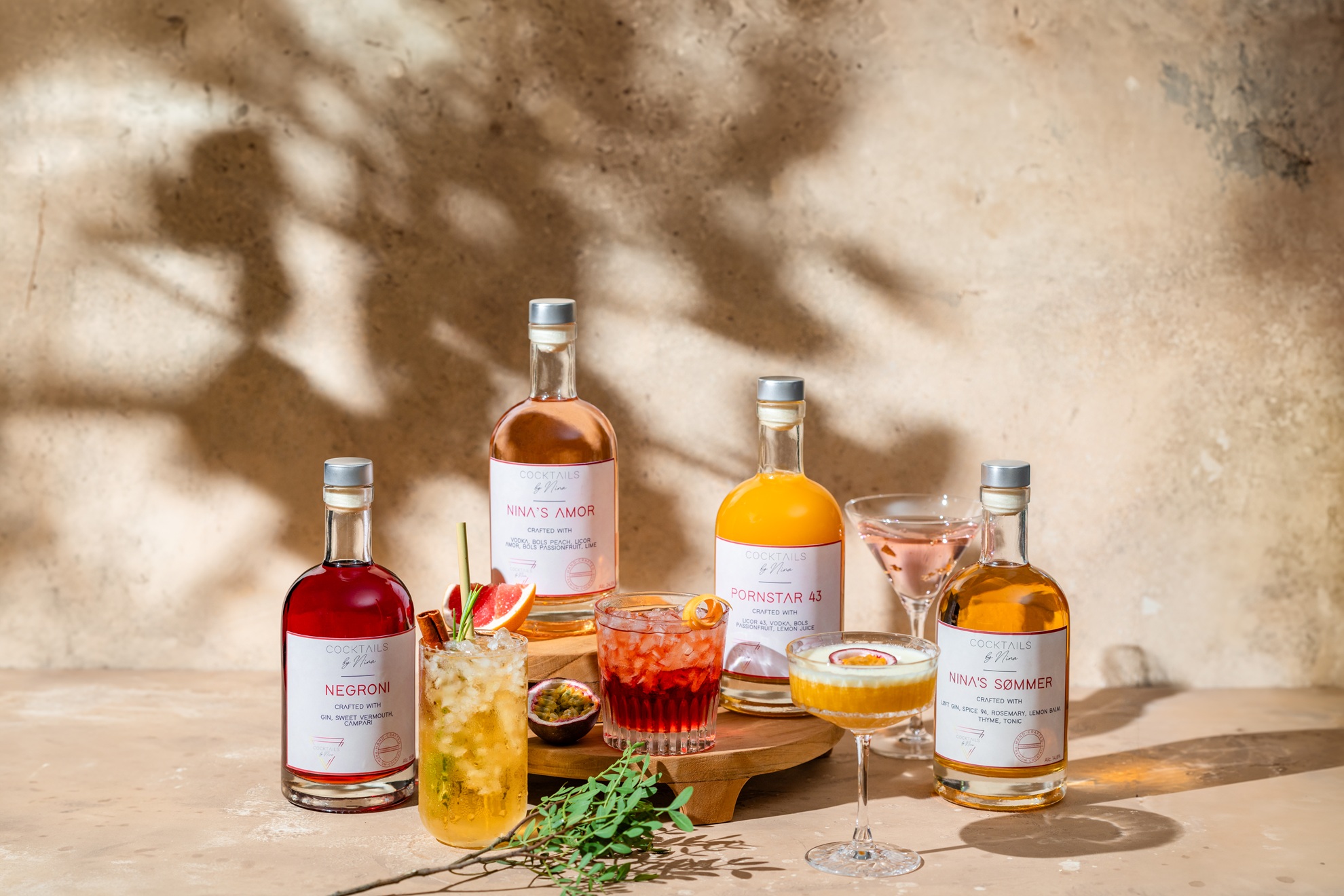
- Consistent taste, glass after glass
- Less preparation for your team
- Polished presentation without needing bar experience
Looking for a complete setup? View our offer for events and ask about the possibilities.
This article contains general information and does not replace the advice of a qualified attorney. Consult a qualified legal professional regarding your own situation before acting based on this content.
Frequently asked questions
Which cocktails are suitable for an open day?
Choose simple, quick-to-make drinks such as a bellini, a fruity punch, and a fresh long drink. These can be batched in advance and served without long wait times.
Which cocktails are alcohol-free?
Mocktails with fruit puree and sparkling water, a non-alcoholic gin and tonic with bitters, and a virgin punch with rooibos are three strong choices. They look festive and are suitable for everyone.
Which alcohol do you use for cocktails?
For an open day, white rum, gin, vodka, and prosecco are sufficient. With these, you can make all five recipes in this article without a long shopping list.
How do you make a simple cocktail?
Measure the base mix, pour over ice, and finish with sparkling water or tonic. Garnish with a slice of fruit or a sprig of herbs.